Texas measles outbreak study reveals severe complications among unvaccinated patients
A new report from the Morbidity and Mortality Weekly Report details the severity of the 2025 outbreak, finding that all hospitalized patients lacked vaccination records and many developed life-threatening conditions.
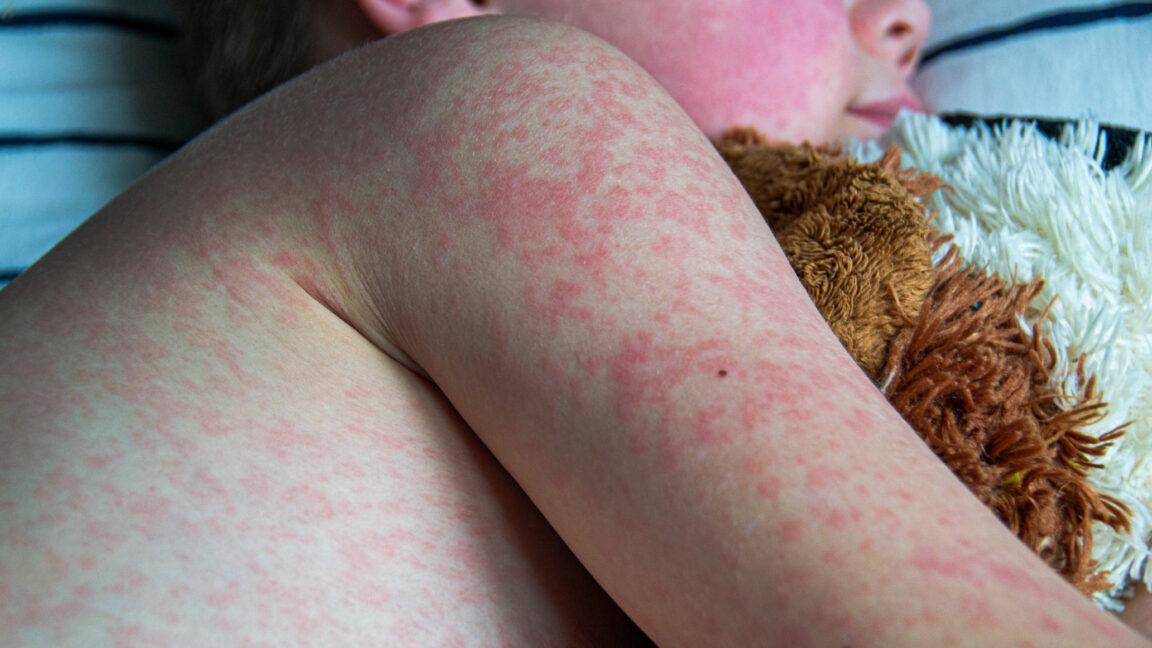
A detailed analysis of the 2025 measles outbreak originating in West Texas, published in the Morbidity and Mortality Weekly Report, reveals that approximately 20 per cent of confirmed cases required hospitalisation. The study, which examined 325 cases between 20 January and 18 March 2025, found that the majority of hospitalized patients developed serious complications, including pneumonia and dehydration. The data highlights the severe strain the virus places on healthcare systems and the critical importance of vaccination coverage.
Researchers from state and federal agencies analysed medical records from 54 hospitalized patients, all of whom had no record of being vaccinated. The cohort included young children, older children, and adults, with four of the five adult cases being pregnant women in their third trimester. Only six of the 54 patients had underlying medical conditions that might increase risk, and none were immunocompromised, indicating that the severity of illness was not limited to those with pre-existing health issues.
Complications were widespread among the hospitalized group. Of the 54 patients, 47, or 87 per cent, developed a measles-related complication. Pneumonia affected 39 patients, while 25 experienced dehydration and 21 developed diarrhea. Additionally, 17 patients suffered co-infections with other pathogens, and 28 were treated with antibiotics. The respiratory impact was significant, with 38 patients requiring supplemental oxygen and 37 experiencing hypoxia, a condition where oxygen levels are insufficient to support bodily functions.
The severity of the outbreak also led to intensive care admissions and fatalities. Four hospitalized children required treatment in an intensive care unit, with two needing intubation and mechanical ventilation. One child died during the study period, though a second child fatality occurred later and was excluded from this specific analysis. Among the pregnant women, two gave birth during their hospitalizations, and their infants were diagnosed with active measles cases. One of these infants later developed symptoms suggestive of acute measles meningoencephalitis and was hospitalized outside the study timeframe.
The findings come against a backdrop of rising case numbers across the United States. In 2025, the US recorded 2,288 measles cases, the highest annual total since 1991. As of late May 2026, the country had reported 1,983 confirmed cases across 40 jurisdictions, placing it on track to potentially lose its measles elimination status. The authors of the report concluded that while many measles cases are mild, the disease can cause life-threatening complications, reinforcing vaccination as a critical tool for prevention in both routine and outbreak settings.
