Tesla Expands Robotaxi Footprint to Florida Ahead of Earnings Call
As Tesla prepares for its second-quarter earnings report, the automaker has revealed plans to launch its autonomous ride-hail service in two new US markets, contrasting with significant scaling challenges faced by competitors.
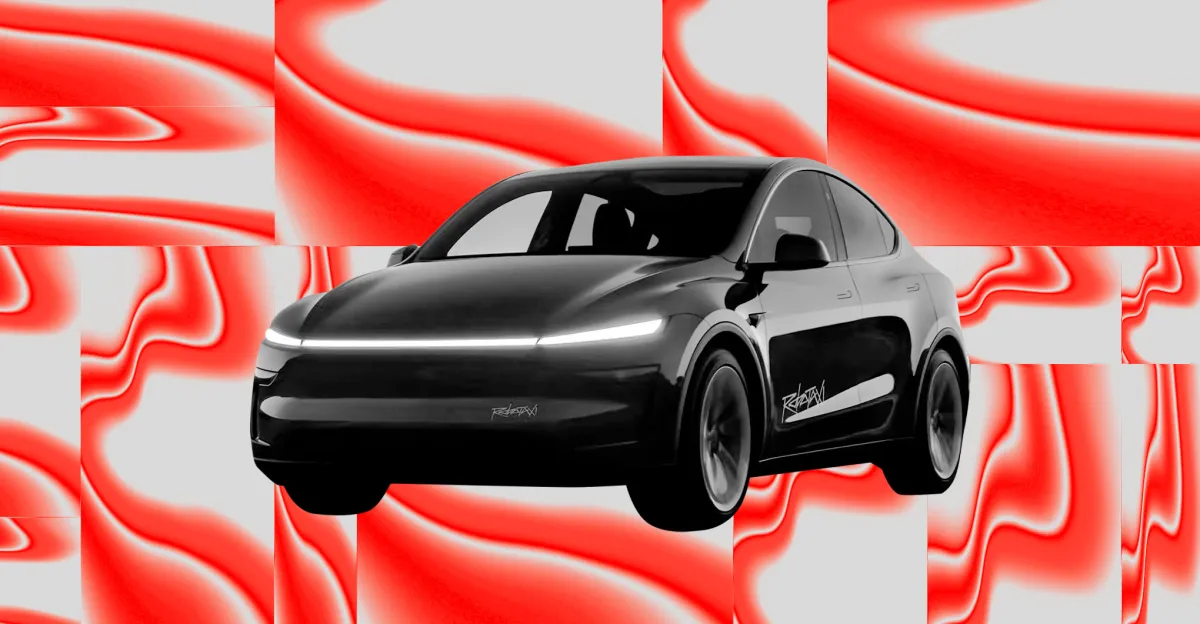
Tesla has announced the launch of its robotaxi service in Orlando and Tampa, Florida, marking a strategic expansion of its autonomous vehicle operations. The confirmation was posted on X one day prior to the company’s second-quarter earnings call, where CEO Elon Musk is expected to provide investors with an update on the progress of the Robotaxi project.
The announcement included maps detailing the specific service areas within both cities. However, Tesla did not disclose the size of the fleet deployed in Florida or confirm whether customers can immediately hail a vehicle through the app. The timing of the post appears calculated to highlight operational growth ahead of a period of heightened investor scrutiny regarding the company’s autonomous driving ambitions.
Tesla’s autonomous ride-hail ambitions have consistently outpaced its current operational reality. In 2024, Musk predicted that autonomous vehicles would be available to half the US population by the end of 2025. More recently, he stated that Tesla aimed to have 500 or more vehicles in the Austin area alone by that same deadline. Current data suggests a significant divergence from these projections.
According to the Robotaxi Tracker, the number of unsupervised vehicles in existing US markets has fluctuated dramatically. As of the report date, there are 17 unsupervised vehicles in Austin, four in Dallas, and zero in Houston. This stands in sharp contrast to competitor Waymo, which is estimated to operate over 3,500 fully driverless vehicles across more than 10 cities.
Operational inconsistencies have also plagued Tesla’s rollout. Reports indicate long wait times due to limited supply, incorrect pickup locations, and incidents involving remotely operated vehicles, including a recent crash into a tree stump. While Musk has predicted the service will be profitable in 2027, the fluctuating fleet sizes and mixed supervision models present a complex picture for market observers.