Tesla disputes Autopilot role in fatal Texas crash as regulators launch probe
The National Highway Traffic Safety Administration has opened a special investigation into the incident, which is one of more than 40 probes into Tesla crashes involving advanced driver-assistance systems.
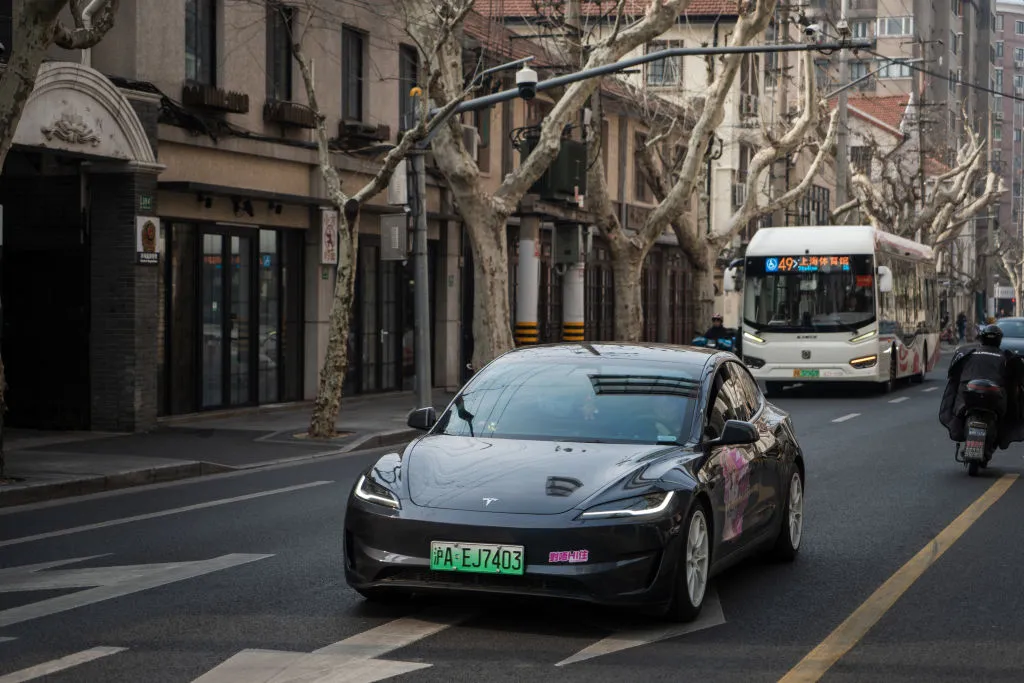
Tesla has publicly challenged narratives surrounding a fatal crash in Katy, Texas, asserting that its driver-assistance technology was not responsible for the incident. The crash occurred on Friday night when a Tesla Model 3 left the road and struck a home, killing 76-year-old Martha Avila. While the driver, Michael Butler, initially told Harris County sheriff’s deputies that the vehicle was on Autopilot, the company contends that data logs indicate the driver manually overrode the system.
Ashok Elluswamy, Tesla’s vice president of AI software, stated that the vehicle’s data showed the accelerator was pressed to 100% in a residential area, with the car reaching a speed of 73 mph. Elluswamy noted that the accelerator remained pressed even after the collision. Elon Musk supported this account on X, arguing that Full Self-Driving (Supervised) is designed to operate at low speeds in neighbourhoods, making the high-speed nature of the crash inconsistent with system behaviour.
The incident has drawn the attention of federal regulators. The National Highway Traffic Safety Administration confirmed on Monday that it has opened a special crash investigation into the matter. The agency noted that this probe is one of more than 40 launched into Tesla crashes involving advanced driver-assistance systems in recent years.
Local authorities are also reviewing the circumstances. The Harris County Sheriff’s Office stated it would present its findings to the local district attorney to determine if criminal charges are warranted. The final determination of liability or system failure will depend on investigators finishing their analysis of the vehicle’s data logs.
Context regarding the vehicle’s software is relevant to the dispute. Tesla discontinued its basic Autopilot system in January 2026, meaning the vehicle was likely operating on Full Self-Driving (Supervised). This subscription-based service, which costs $99 a month, handles maneuvers such as route navigation and steering but requires the driver to actively supervise the system.
