Teens Reject AI Hype as Moral Panic Turns Inward
A growing cohort of young people are viewing artificial intelligence with suspicion, driven by a sense that the technology is being aggressively marketed to them while their generation bears the brunt of the disruption.
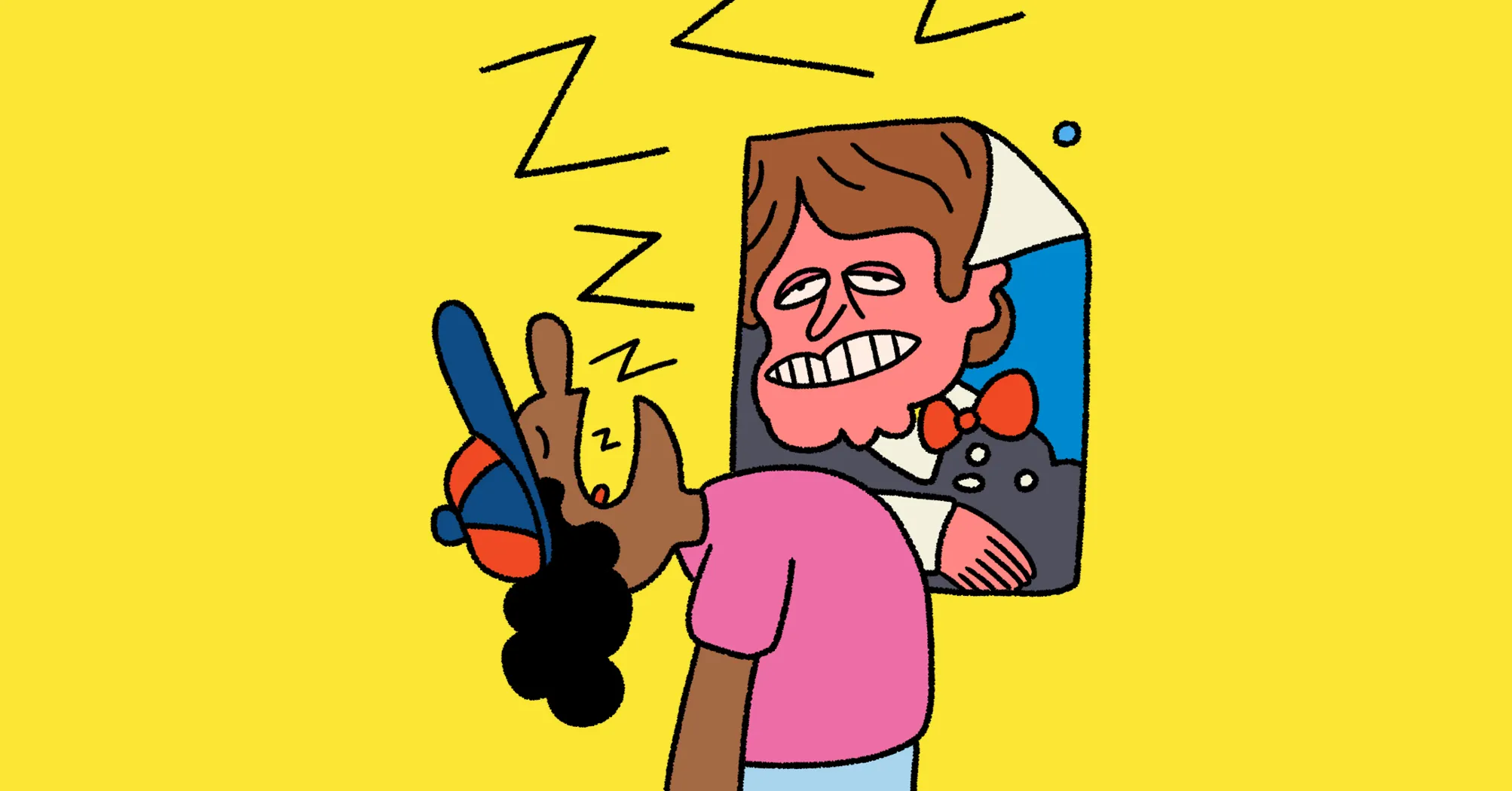
Market research firm YPulse has identified a significant shift in youth attitudes toward artificial intelligence, revealing that 37 per cent of teenagers aged 13 to 17 experience visceral discomfort when encountering AI-generated music and video content. This sentiment marks a notable departure from historical patterns where young demographics have eagerly adopted new consumer technologies. Despite high adoption rates for school assignments and digital companionship, a substantial portion of this cohort views the technology with skepticism rather than enthusiasm.
The disconnect between usage and approval is further highlighted by data from Pew Research, which indicates a divergence in how adolescents perceive the technology’s impact. While many teens believe AI will offer personal benefits, over a quarter of the cohort predict a negative impact on society within the next 20 years. Primary concerns cited include the proliferation of misinformation, the rise of deepfakes, potential job losses, the erosion of critical thinking skills, and the environmental costs associated with the technology.
Melanie Green, a communications professor at the University at Buffalo, characterises this shift as a unique form of moral panic driven by the youth themselves. Unlike previous technological disruptions where older generations expressed caution, young people are now the primary source of resistance. Green notes that adolescents feel AI is being aggressively pushed upon them by adults and technology corporations, leading to a sense of alienation rather than excitement.
This resistance is evident in digital spaces where young people are redefining the acronym. On social media platform Bluesky, parents report that children are using the phrase “that’s AI” as a synonym for “that’s BS.” Similarly, educators on Reddit have observed that students, even those who utilise the tools for academic purposes, express deep worry about the consequences of widespread AI adoption and display a strong aversion to AI-generated art.
The sentiment extends to younger demographics as well, with one nine-year-old respondent suggesting that AI should stand for “artificial idiot.” This rejection of the mainstream narrative suggests that the current wave of AI integration is facing a significant cultural headwind among those who will ultimately bear the long-term economic and social impacts of the technology.