Taylor Swift moves to trademark likeness and voice following surge in AI deepfake scams
New measures highlight growing reputational risks for high-profile stars amid nonconsensual AI material and fraudulent reward programs
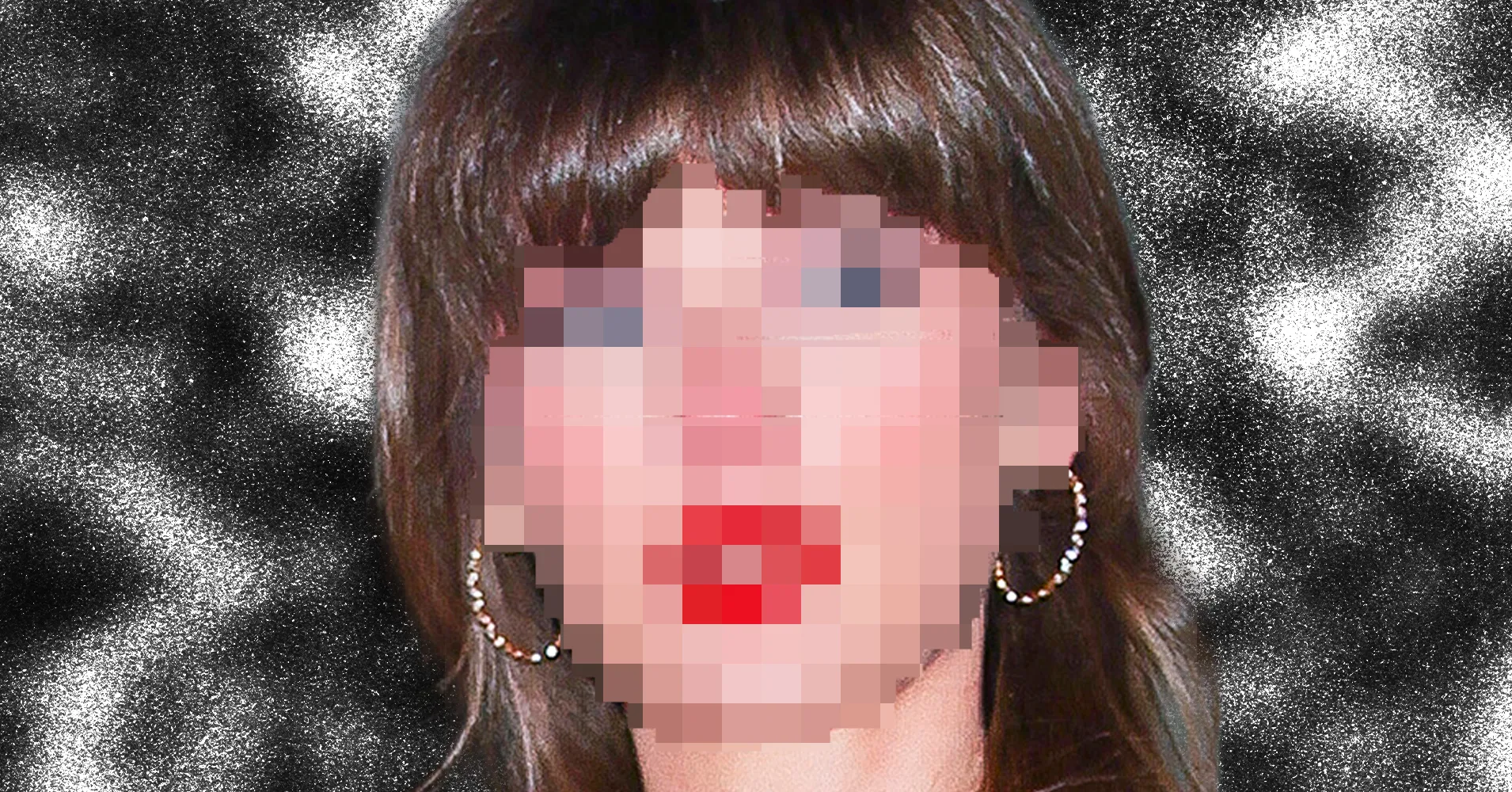
Taylor Swift has filed three trademark applications to safeguard her image and voice, a legal move designed to protect her brand from the increasing proliferation of artificial intelligence deepfakes. The applications specifically cover a well-known photograph of the pop singer holding a pink guitar from her Eras tour, alongside two sound trademarks for the phrases "Hey, it's Taylor Swift" and "Hey, it's Taylor."
This proactive legal step comes in direct response to reports that scammers are utilising AI-generated deepfakes of Swift, along with Kim Kardashian and Rihanna, in fraudulent advertisements on TikTok. These manipulated videos depict the celebrities in interview settings, such as red carpet events or talk show sets, promoting non-existent reward programs intended to harvest users' personal data.
Researchers from the AI detection company Copyleaks identified a cluster of these sponsored videos, noting that the clips utilise realistic-sounding voices and textured filters to mask visual flaws inherent in the AI-generated visuals. The fake ads direct viewers to third-party services built on the AI platform Lovable, where users are prompted to enter their name and personal information under the guise of qualifying for a limited rollout program.
The incident underscores escalating concerns over nonconsensual AI material and the reputational risks faced by high-profile stars. While Swift has not publicly commented on the specific reasoning behind her filings, the potential for deceitful deepfakes to cause significant damage to her billion-dollar brand is clear. Earlier this month, an Ohio man became the first person convicted under a new federal law criminalising intimate visual deceptions, setting a legal precedent for such nonconsensual AI material.
The broader context of the scam economy was highlighted last week when the Consumer Federation of America sued Meta, alleging that the tech giant allowed scam ads to proliferate while misleading users about its crackdown efforts. This legal action follows a report from the US Federal Trade Commission which indicated a surge in social media scams, with Facebook scams accounting for the highest total of financial losses.
As the technology behind these scams grows more sophisticated by the day, institutions and individuals must remain vigilant against the exploitation of likenesses for fraudulent purposes. Swift's trademark filings serve as a stark reminder of the urgent need to address the vulnerabilities created by advanced AI manipulation in the digital space.