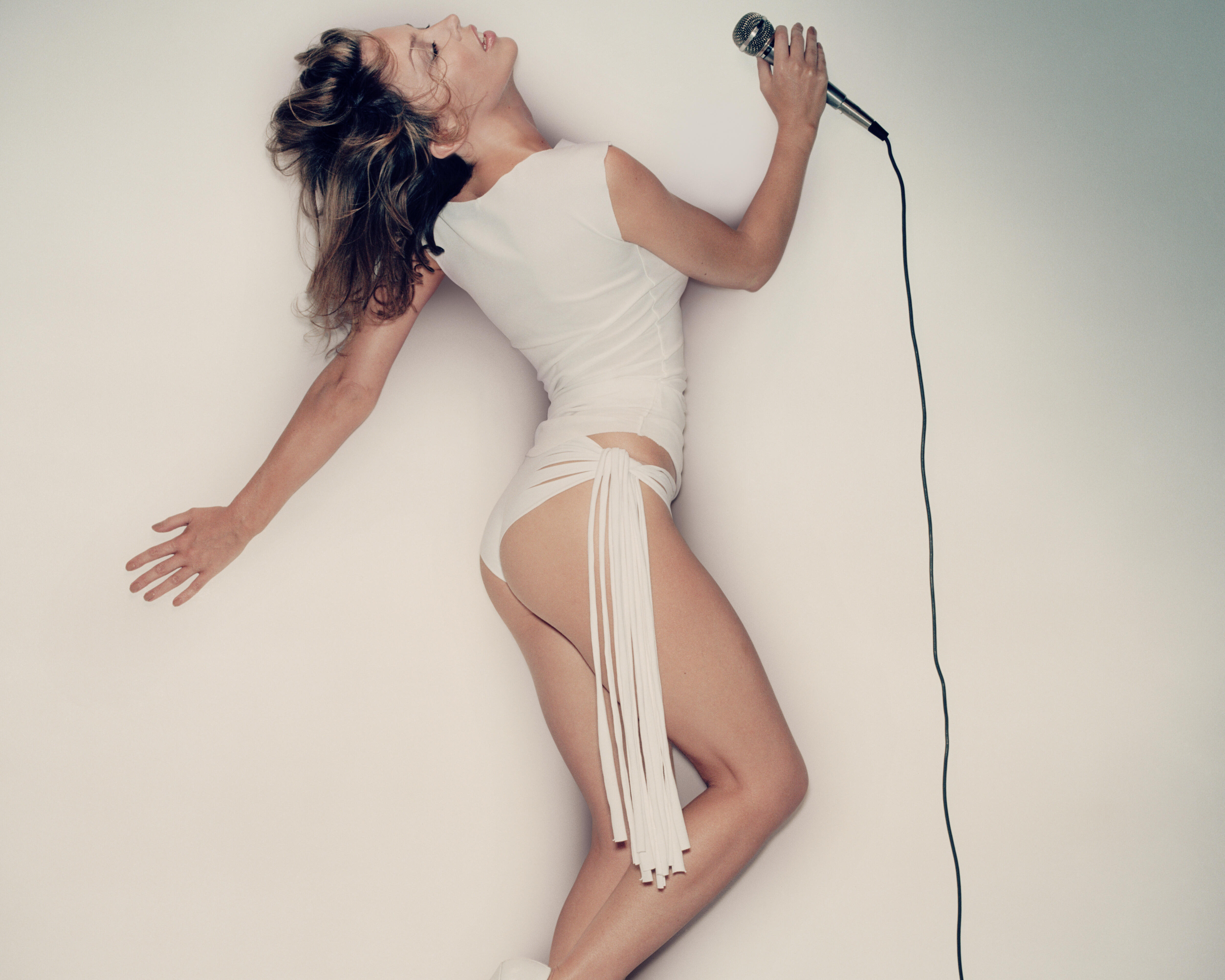
Sweden’s Felicia delivers industrial techno spectacle at Eurovision 2026
The 70th edition of the contest in Vienna saw Sweden’s entry characterised by laser-heavy production and a mid-2000s Eurodance aesthetic.
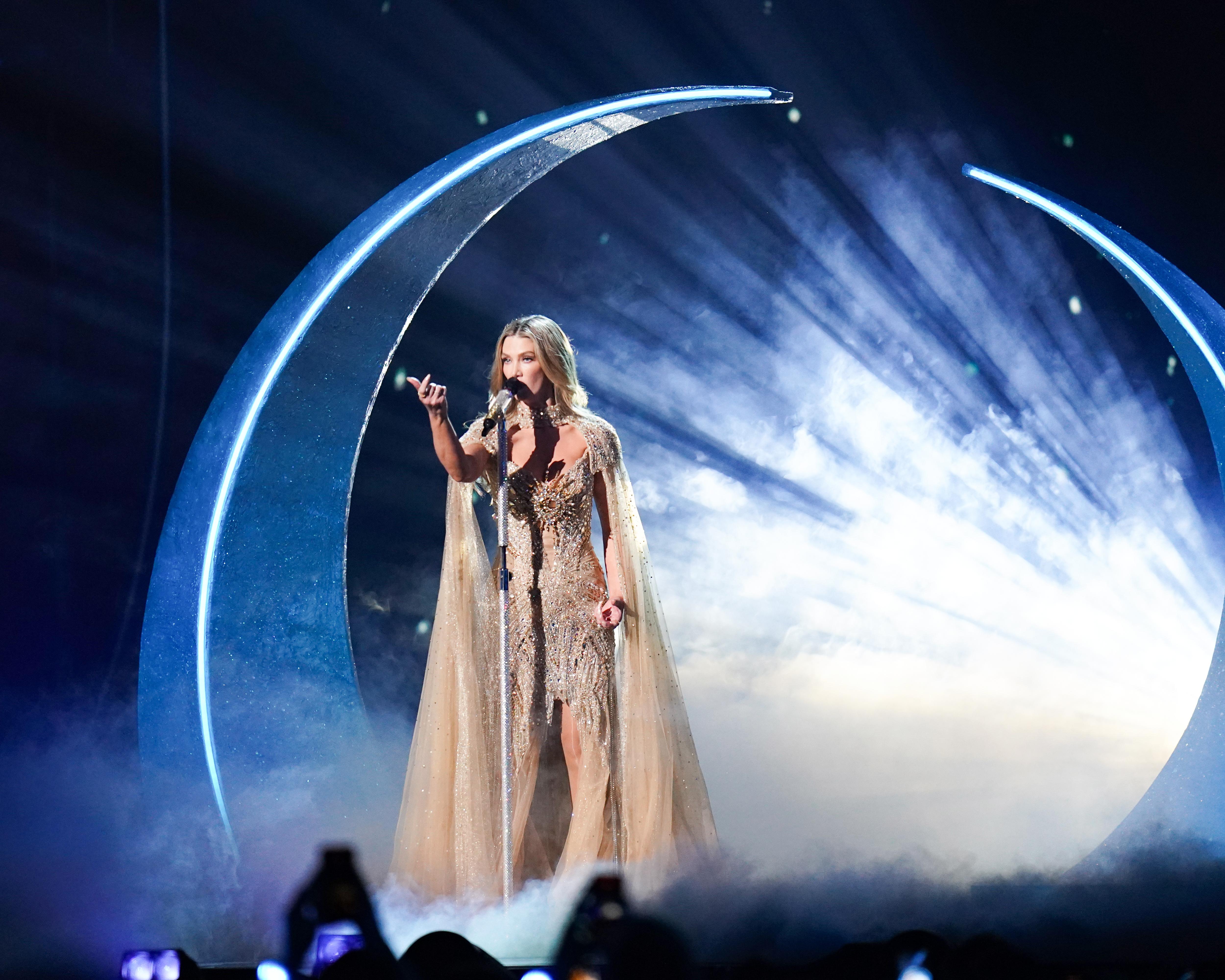
The 70th Eurovision Song Contest unfolded in Vienna on 16 May 2026, marking a significant milestone in the annual musica extravaganza. The event proceeded with a noted absence of some regular participants, yet maintained its tradition of high-production musical performances. Among the entries, Sweden’s contribution stood out for its distinct visual and sonic identity.
Artist Felicia represented Sweden with a techno track titled 'DRINK', presented in all capital letters. The performance was described by The Guardian’s culture coverage as an "immaculately polished, mildly intimidating Sweden thing". The act utilised a full-throttle approach, combining pounding bass lines with an industrial quantity of lasers to create a dense audiovisual experience.
Visual elements of the performance included what appeared to be sparkly personal protective equipment (PPE). The inclusion of safety gear within the rave aesthetic was noted as a deliberate stylistic choice, with coverage observing that "safety first" remained a priority even amidst the high-energy musical delivery.
Critically, the track drew comparisons to mid-2000s Eurodance. Reviewers noted strong "lost Cascada B-side circa 2006" vibes, suggesting the song felt akin to a "Eurodance bargain bin" track. While the specific pleasure of the genre was acknowledged, there was a sense that Sweden typically aims higher than this particular subgenre, with observers expressing a desire for more from the nation’s usual entry.
The live coverage also contained a moment of ambiguity regarding the sequence of acts. The term "JALLA" was mentioned in the context of the Swedish performance but was immediately corrected as referring to a subsequent act, clarifying that it was not part of Felicia’s set. The event concluded with Sweden’s entry firmly placed within the lineage of polished, high-concept Eurovision performances.