Supertankers carrying 6 million barrels of crude oil attempt Strait of Hormuz transit
Three supertankers carrying approximately 6 million barrels of crude oil have attempted to cross the Strait of Hormuz, coinciding with the start of high-level US-China talks in Beijing and positive momentum in US equity markets.
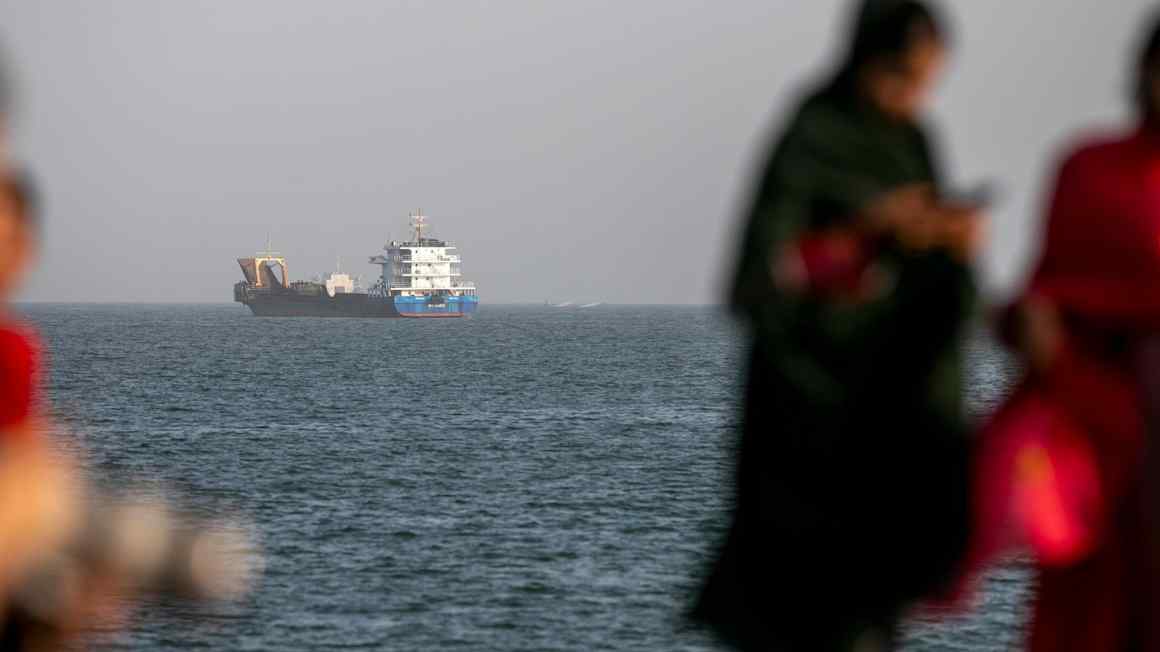
Three supertankers carrying an estimated 6 million barrels of crude oil have attempted to transit the Strait of Hormuz, according to a report from the Financial Times. The vessels are bound for China and South Korea, highlighting the continued reliance of major Asian economies on energy supplies flowing through this critical global chokepoint.
The attempted crossing occurs against a backdrop of significant geopolitical activity, with US President Donald Trump currently in Beijing for a two-day summit with Chinese President Xi Jinping. The high-level talks are focusing on trade relations, artificial intelligence cooperation, and tensions surrounding Iran, a region directly adjacent to the strategic waterway.
Concurrent with the diplomatic developments, US financial markets have shown positive sentiment at the commencement of the summit. The Dow Jones Industrial Average gained 0.8 per cent, while the S&P 500 rose 0.3 per cent and the Nasdaq Composite climbed 0.2 per cent.
In the technology sector, Nvidia shares surged more than 2 per cent following unspecified US approval, with institutional buying continuing to support the stock amid strong earnings reports. The company’s performance has drawn attention from major investors, including Amazon.com Inc and Amazon Web Services.
The Strait of Hormuz remains a vital artery for global oil supplies, particularly for Asian markets such as China and South Korea. The movement of these supertankers underscores the ongoing flow of energy commodities despite the complex geopolitical landscape involving the United States, China, and regional tensions.
While the specific outcome of the crossing attempt is not detailed in the initial reports, the event coincides with a period of heightened diplomatic engagement and market activity. The successful transit of such large volumes of crude oil suggests that commercial shipping operations continue to navigate the region amid broader strategic discussions.