Superhuman acquires GPTZero in consolidation of AI detection and writing tools
The deal brings together AI generation and detection capabilities, though the move has drawn scrutiny given Superhuman’s history with AI-generated content and past controversies over mimicked writer feedback.
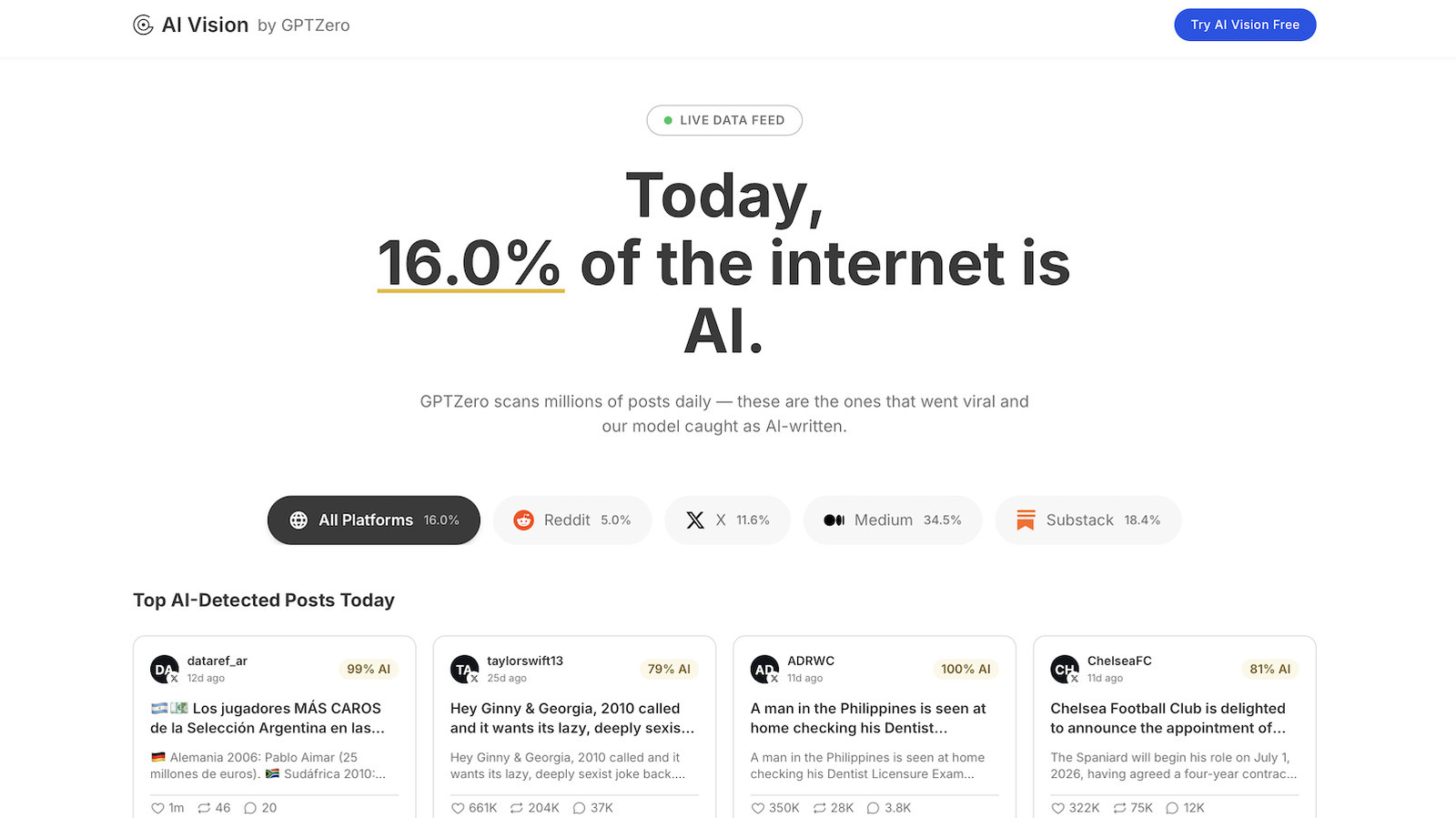
Superhuman has acquired GPTZero, an AI authenticity service specialising in hallucination and plagiarism detection, marking a significant consolidation in the niche sector of AI content verification. The company intends to integrate GPTZero’s tools into its Superhuman Go AI assistant to enhance its existing efforts around AI and authenticity. Financial terms of the acquisition were not disclosed.
GPTZero reported over 19 million registered users and $30 million in annual recurring revenue. The company’s founder stated in 2024 that the business was profitable, although recent financial performance has not been independently verified. The acquisition follows a similar strategic direction by Grammarly, Superhuman’s most popular product, which already offers an AI detection tool designed to help users, particularly students, determine if their writing appears AI-generated.
Under the agreement, teachers and students will remain the priority audience for the combined entity. GPTZero emphasised that Superhuman’s reach would help place its detection tools in environments where people are already reading and writing, aligning with its mission to help users identify and defend against AI-generated content often referred to as “AI slop”.
The move has drawn scrutiny due to the apparent contradiction of an AI writing assistant company acquiring an AI detection service. Superhuman is quite literally encouraging users to generate content through its products, a strategy that has previously landed the company in controversy. Notably, Superhuman faced backlash for using AI-generated feedback that mimicked the voice and style of other writers, leading to dissatisfaction among those creators.
This acquisition highlights the growing complexity of the AI landscape, where providers of generative tools are increasingly incorporating detection mechanisms. While the press release for the deal focuses on concerns about the public’s ability to identify AI-generated content, the integration of GPTZero into Superhuman Go suggests a broader push to embed authenticity verification directly into the writing workflow.
