Startup offices risk sounding like call centres as dictation apps reshape work culture
Executives and venture capitalists report that startup environments are increasingly resembling high-end sales floors due to constant voice interaction, prompting some to reconsider their work arrangements.
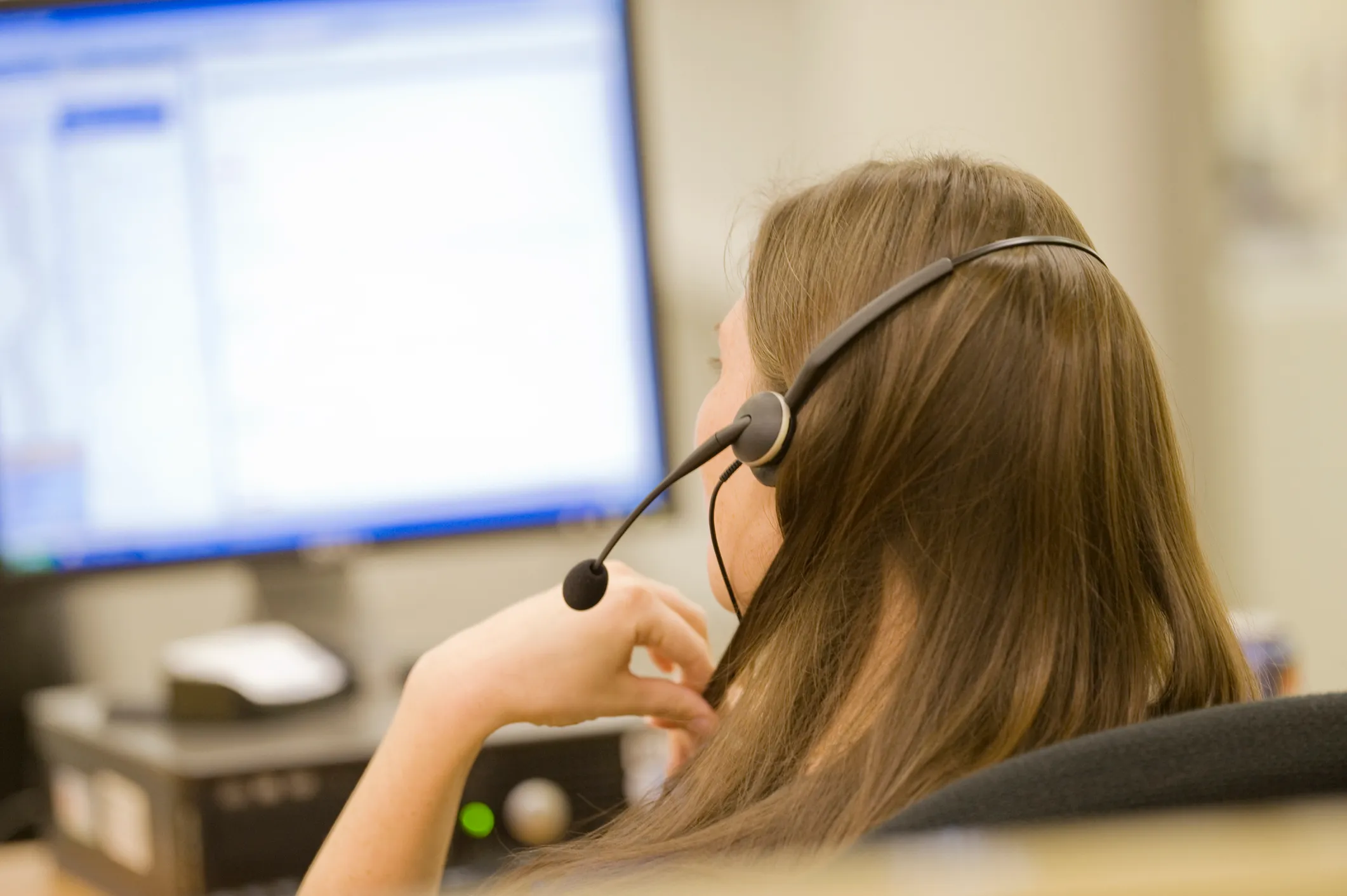
A recent feature in the Wall Street Journal has drawn attention to a significant shift in office culture, driven by the growing adoption of dictation applications such as Wispr. This trend is particularly pronounced when these tools are integrated with vibe coding applications, leading to a surge in constant voice interaction within professional environments. Venture capitalists and executives visiting startup offices now report that the atmosphere increasingly resembles a high-end call centre or sales floor rather than a traditional workspace.
Gusto co-founder Edward Kim has noted that his own team is observing this change, with offices sounding more like sales floors due to the prevalence of verbal commands. Kim indicated that while he now only types when absolutely necessary, he admits that the habit of constantly dictating in an open office can feel just a little awkward. This sentiment reflects a broader unease among leaders who find the new workflow socially jarring, even as they embrace the efficiency gains.
The personal impact of this technological shift is evident in the work arrangements of AI entrepreneur Mollie Amkraut Mueller. She reported that her husband became annoyed by her new habit of whispering to her computer during late-night work sessions. To accommodate this, the couple has altered their routine, now sitting apart or ensuring one of them works in a separate office to avoid the friction caused by the constant whispering.
Despite the initial awkwardness, Wispr founder Tanay Kothari predicts that this behaviour will eventually become normalised within the industry. He compares the future acceptance of whispering to computers with the current societal acceptance of spending hours staring at a phone. Kothari suggests that as the technology becomes more ubiquitous, the social stigma associated with speaking to machines will fade.
However, the specific definition and functionality of the 'vibe coding tools' mentioned in the source material remain unclear, making the extent of their integration with dictation apps difficult to fully assess. The current trend relies heavily on anecdotal evidence from specific individuals rather than broad industry data, limiting the ability to generalise the shift across the wider tech sector without further information.
As these tools continue to evolve, the question remains how work setups will adapt if employees spend more and more time talking to their computers. The Wall Street Journal's feature serves as a primary indicator that the quiet, typed environment of the past is giving way to a more vocal, and perhaps slightly chaotic, future of work.
