Starlink shifts to monthly hardware rental fees ahead of SpaceX IPO
The new pricing structure adds to recent service hikes and comes as SpaceX prepares for its public listing, with Starlink already contributing over $3 billion in annual revenue.
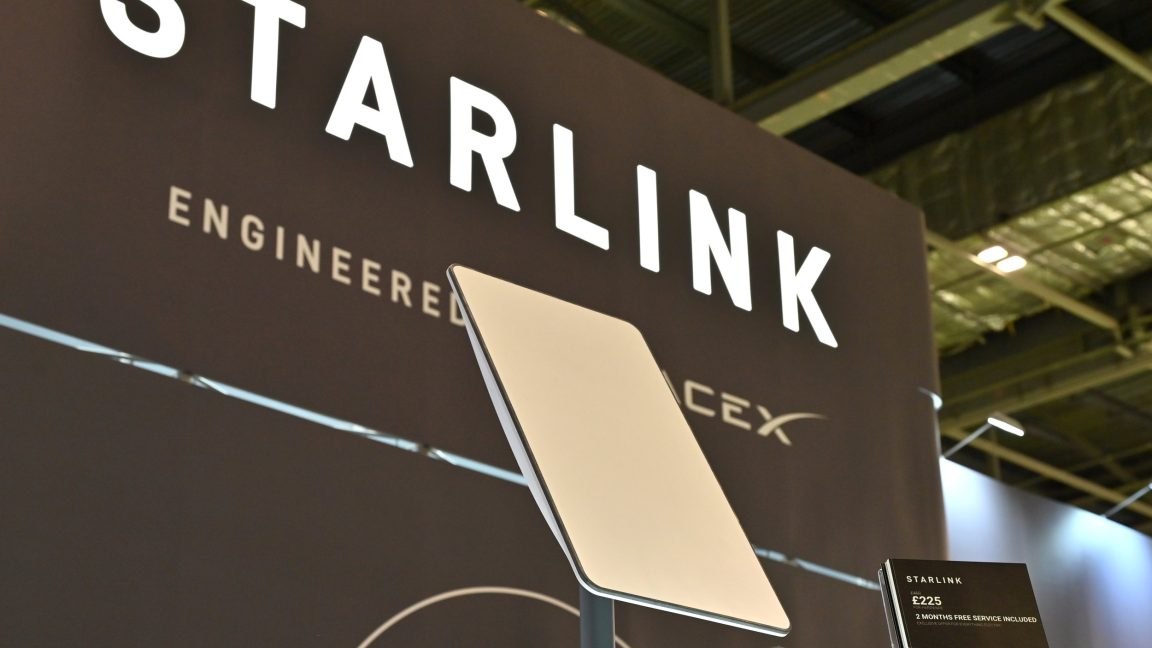
Starlink has introduced a $10 monthly rental fee for its satellite internet hardware, marking a strategic departure from its longstanding model of one-time upfront hardware purchases. The change, which mirrors the rental structures long employed by cable and telecommunications providers, applies to residential service plans in select countries including the United States, Canada, the United Kingdom, France, Australia, and Mexico.
The hardware rental charge is cumulative with recent increases to Starlink’s monthly service fees, which have risen by $5 to $10 per month depending on the data tier. Current residential pricing tiers are set at $55 per month for 100Mbps, $85 for 200Mbps, and $130 for the “Max” tier, which offers speeds up to 400Mbps. Professional installation is available for a one-time fee of $199, or complimentary with the Max plan subscription.
According to reporting by PCMag, the $10 rental fee is visible on Starlink.com for new customers in the identified markets. Residential ordering pages now display an upfront hardware cost of $0, replaced by the monthly kit fee. A Starlink support article confirmed that hardware rental is currently restricted to residential plans and noted that customers renting hardware will not be permitted to pause their service.
Existing customers retain options to mitigate the new costs. Users who already own a Starlink kit can avoid the rental fee when ordering new service by entering their device identifier number during the checkout process. Additionally, customers currently renting hardware can switch to purchasing their kit outright by creating a support ticket. Hardware remains available for purchase through third-party retailers such as Best Buy and Walmart, with prices varying from the standard $349 down to $89 in some instances.
The pricing shift occurs as SpaceX prepares to go public, with Starlink serving as the company’s primary revenue driver. The division accounted for $3.26 billion of SpaceX’s $4.69 billion in company-wide revenue in the first three months of 2026. Analysts note that while the rental model may offer lower initial barriers to entry, the long-term cost exceeds the price of purchasing hardware outright, with $360 in rental fees over a three-year period surpassing typical retail prices for the standard dish.
