Spotify Introduces 'Mix' Feature to Democratise DJ-Style Playlist Transitions
The latest update from the streaming giant leverages artificial intelligence to generate initial transitions, which users can then refine using professional-grade controls for equalisation, filters, and harmonic mixing.
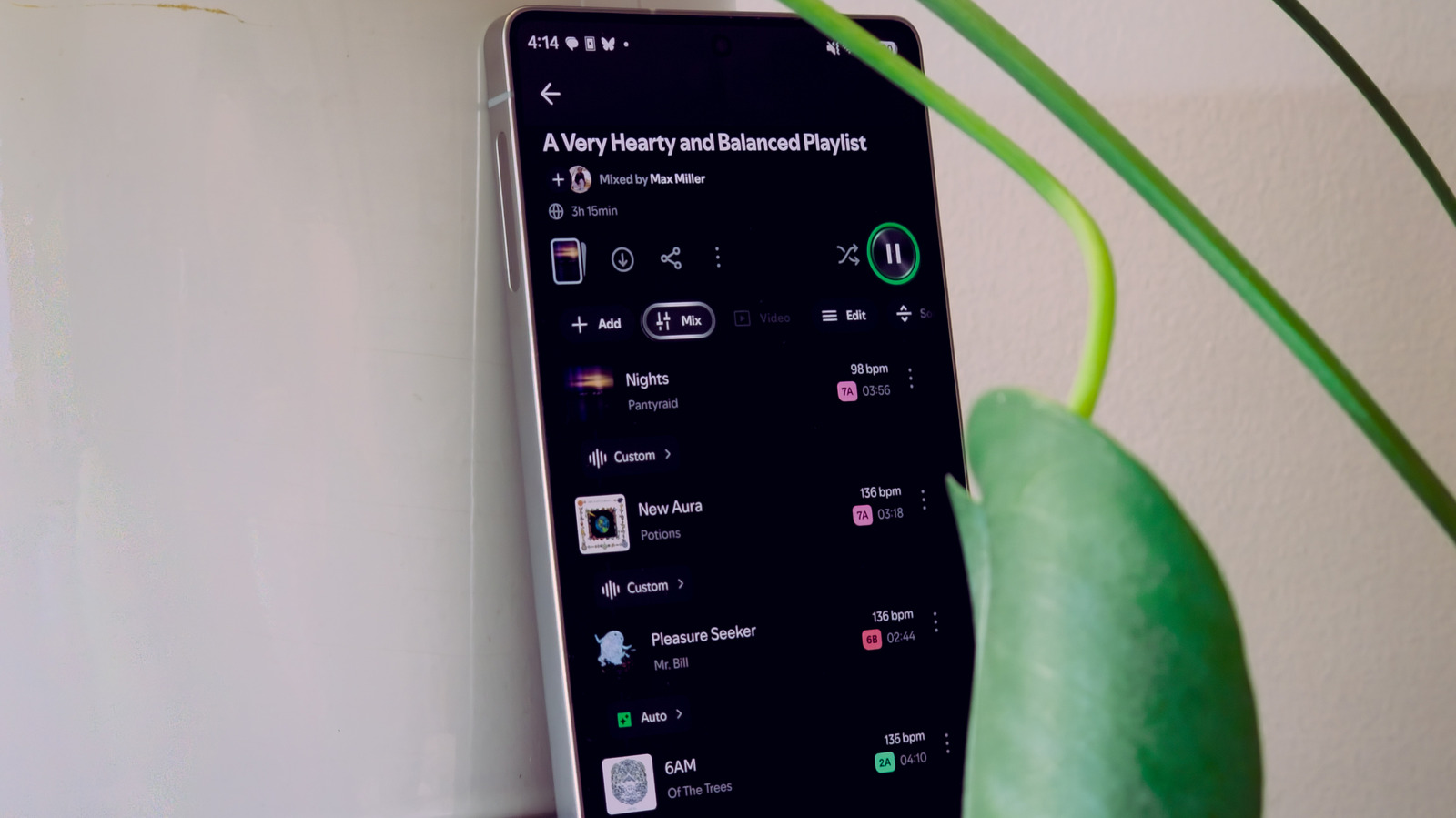
Spotify has launched a new feature titled 'Mix', enabling Premium subscribers on mobile and desktop applications to create custom, DJ-style transitions within their own playlists. The tool utilises artificial intelligence to generate initial transitions between tracks, which users can then manually refine using waveform editing, beat markers, and controls for volume, equalisation (EQ), and filters. This development aims to democratise complex mixing techniques, making rhythmic and melodic compatibility accessible to casual listeners without the need for professional equipment or extensive training.
The 'Mix' feature is currently restricted to playlists created by the user; it does not apply to algorithmically generated playlists such as Discover Weekly, Daily Mixes, or Release Radar, unless these are manually saved as new playlists. To hear the transitions, users must ensure the Mix option is active and shuffle is disabled. The interface displays track tempo in beats per minute (BPM) and uses Camelot Key notation to assist with harmonic mixing, allowing users to intuitively understand whether tracks will mix well together based on their musical keys.
Camelot Key is a shorthand system used by DJs to notate musical keys, where numbers 1-12 represent keys and letters A or B denote minor or major tonalities. For instance, B-flat Major is notated as 6B. Moving forward in the key sequence generally shifts the energy of a set up, while moving backward chills things out, and switching between A and B allows for mood changes. This system facilitates intuitive harmonic mixing, reducing the barrier to entry for those unfamiliar with traditional music theory.
Users can adjust timing and effects for each transition, including volume, equalisation, and filters, using waveform editing and beat markers. The tool surfaces a mixing panel where users can see the waveforms of two songs, zoomed in on the area where the transition occurs. Users can drag the waveform of each song to choose when the transition occurs, with many songs showing beat markers along the waveform to allow for easy alignment. Generic mixing presets such as Fade, Rise, and Blend are available as starting points, with granular adjustments possible for each parameter.
The feature represents a shift in how digital music consumption is perceived, moving beyond passive listening to active curation. While professional DJing involves complex skills including energy management and seamless transitions that typically require significant practice, Spotify's approach simplifies these elements for the average user. The tool strikes a balance between user friendliness and functionality, allowing hobbyists to create bespoke and shareable listening experiences without the steep learning curve associated with traditional DJing.