Specialty Coffee Experts Rank Philips Café Aromis Above Premium Rivals in Blind Taste Test
A WIRED blind test using Perky Blenders' Forest Blend beans reveals that high-end brands like Jura failed to match the Philips Café Aromis on flavour precision and milk temperature.
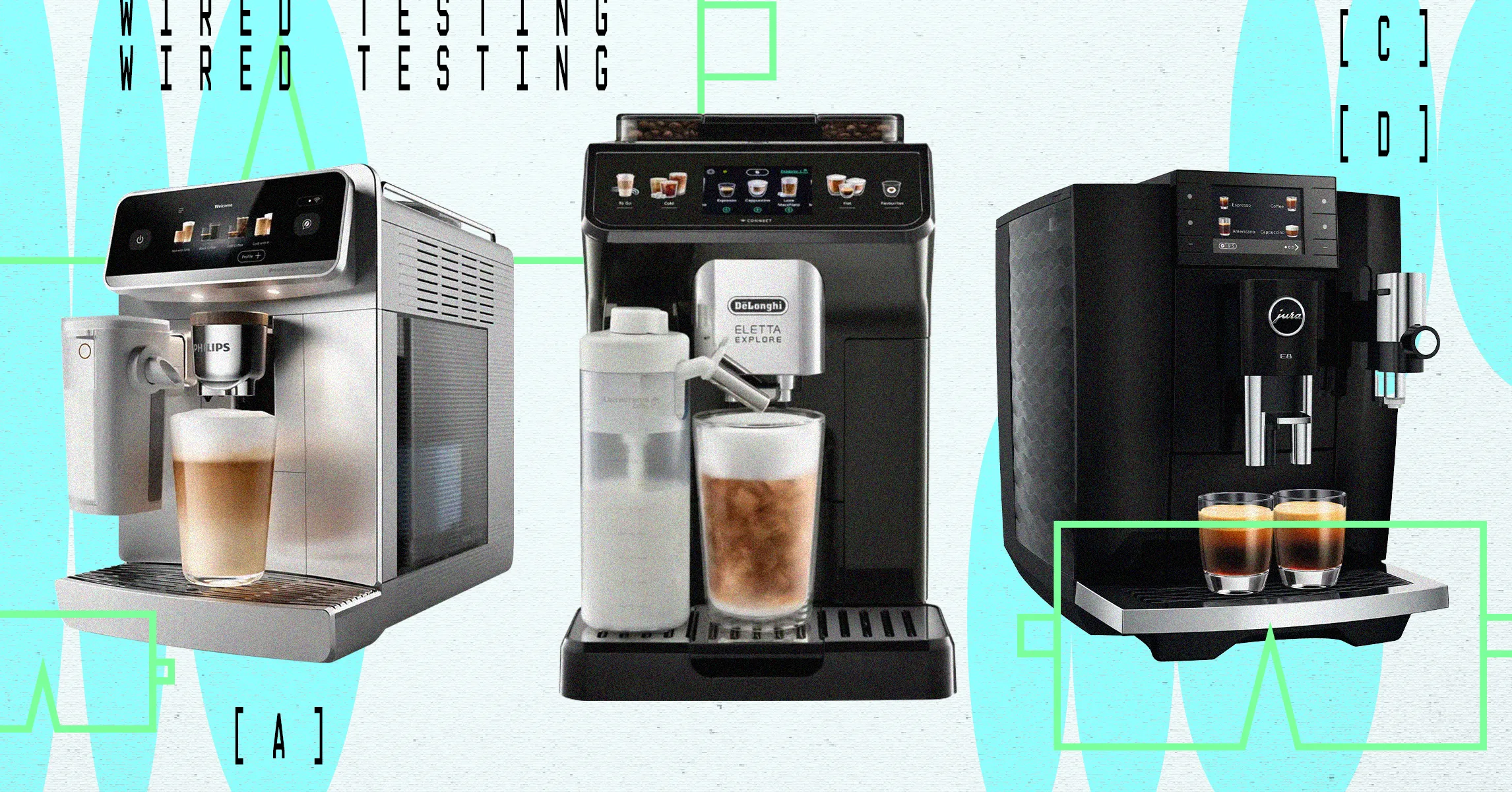
Coffee industry professionals Adam Cozens and Calum Hunt have conducted a blind taste test of four fully automatic bean-to-cup machines to determine which delivers the highest quality brew. Using Perky Blenders' Forest Blend beans, the experts evaluated lattes and espressos based strictly on flavour profile, milk texture, and extraction quality, deliberately excluding usability features and app interfaces from the assessment.
The Philips Café Aromis emerged as the clear winner, ranking first for both lattes and espressos. Both testers praised the machine for achieving the optimal balance of sweetness and bitterness, successfully extracting the dark chocolate, molasses, and walnut notes characteristic of the specific beans used. The Philips also steamed the milk to the ideal temperature of approximately 66 degrees Celsius, ensuring the drink tasted its best without being scalded.
In stark contrast, the Jura E8 finished last in the rankings despite its significant price premium and established reputation. The machine was criticised for producing overheated milk that compromised the espresso, alongside under-extracted shots described as sour and possessing a salty, seaweedy taste. Cozens noted that the milk temperature felt hotter than the 65 to 66 degrees Celsius required by a professional barista, effectively ruining the balance of the drink.
The Terra Kaffe TK-02 was described as oddly forgettable, failing to deliver the intensity expected from a premium machine. While the machine produced drinkable coffee, the tasters noted weak flavours and lacklustre milk. Cozens observed that the latte used less milk than the competitors, resulting in a missing sweetness, while Hunt found the espresso lacked sufficient strength and bitterness.
The De'Longhi machine produced the most visually appealing latte with excellent microfoam, though its flavour profile proved more polarising. While Hunt enjoyed the extraction on the De'Longhi espresso, Cozens found it too sharp and sour for the Forest Blend. The consensus among the experts remains that while these sophisticated machines offer convenience, they frequently underdeliver on flavour precision compared to coffee made by a skilled barista.
The test underscores that money and brand heritage do not guarantee café-quality coffee at home. Although the machines offer extensive menus and customisation, the automatic nature of the process means they often lack the nuance of human skill. Ultimately, the Philips Café Aromis demonstrated that a lower MSRP does not preclude superior performance when it comes to the fundamental art of brewing coffee.
