Spain drives a quarter of new EU jobs as immigrant workforce reshapes labour market
Financial Times report reveals that 70 per cent of new positions in Spain have been secured by immigrants, underscoring the nation's pivotal role in the bloc's economic growth.
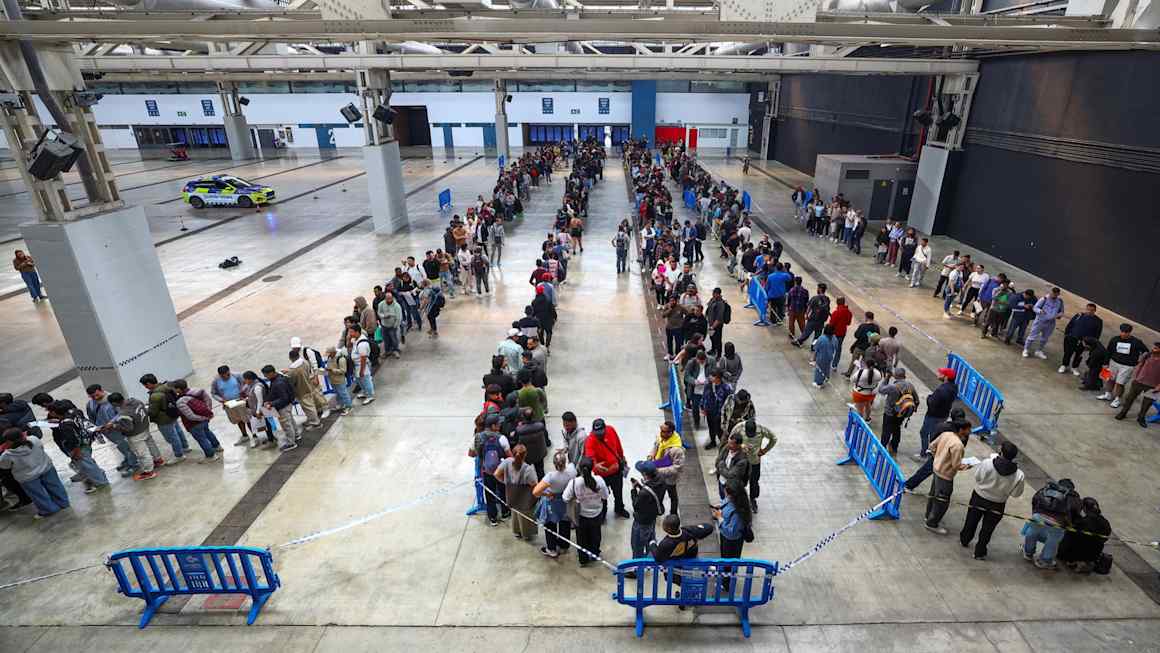
Spain has emerged as a dominant force in the European Union's labour market, accounting for a quarter of all new jobs created across the bloc over the current decade. This significant contribution underscores the country's capacity to generate employment on a scale that rivals the wider region, positioning it as a critical node in the continent's economic recovery.
The data indicates that the surge in employment is heavily reliant on an influx of migrant workers, who have filled 70 per cent of the new positions established in Spain during this period. This statistic highlights a fundamental transformation in the nation's workforce composition, where immigration has become a central pillar of job creation rather than a peripheral factor.
These figures, drawn from a report by the Financial Times, suggest that the broader European labour market is being reshaped by demographic shifts within Spain. The concentration of new roles in the country implies that policy decisions and economic strategies in Madrid are having a disproportionate impact on the employment outlook for the entire Union.
While the headline from the source material references four ways the immigration experiment has altered Spain, the available data specifically illuminates the macroeconomic impact on job distribution. The sheer volume of positions filled by non-native workers points to a labour market that is adapting to fill gaps through international recruitment.
The current decade has thus seen Spain transition into a key employer for the EU, with the majority of its new hiring going to immigrants. This trend challenges traditional narratives regarding domestic job security and suggests that the nation's economic engine is increasingly driven by a diverse and mobile workforce.
As the decade progresses, the reliance on immigrant labour for such a substantial share of new roles will likely continue to influence wage dynamics, sectoral growth, and social policy debates across Europe. The Financial Times analysis serves as a stark reminder of the interconnected nature of the European economy, where shifts in one nation's labour market reverberate through the entire bloc.