SpaceX IPO and Starship Test Highlight Reusability Risks and Slowing Starlink Growth
Analysts warn that without full reusability, launch costs could rise to $100 million per flight, threatening the economic model underpinning Elon Musk’s space ambitions.
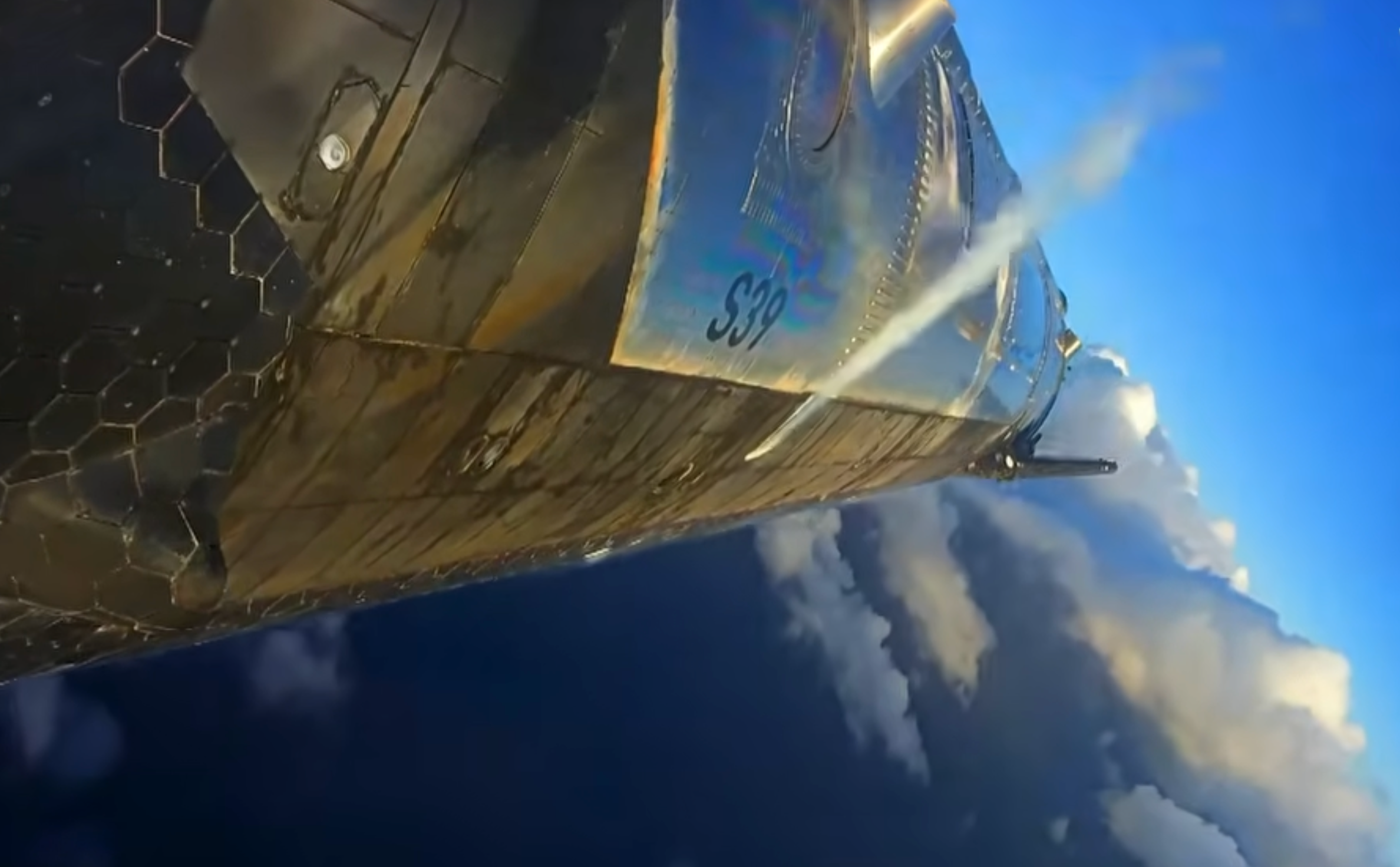
SpaceX’s recent initial public offering and the test flight of its third-version Starship rocket have exposed significant friction between the company’s ambitious cost-reduction targets and operational realities. While the S-1 filing confirms that Starlink remains the financial backbone of the business, generating $11.4 billion in revenue last year, it also acknowledges that full reusability of the Starship vehicle may not be strictly required to launch new satellites. This admission casts doubt on the extreme cost efficiencies that Elon Musk has long projected as essential to the company’s long-term viability.
The financial structure of the satellite network demands heavy capital expenditure, with SpaceX investing $11.4 billion in its satellite business since the start of 2023, compared to $8.4 billion on Starship and launch infrastructure. To maintain current service levels, the company must replace approximately one-fifth of its satellites annually. Musk has previously warned that SpaceX could face bankruptcy without Starship’s ability to replace these assets cheaply, positioning the rocket as the critical lever for controlling operational costs.
However, the economic case for an expendable Starship is weaker than the reusable model. Satellite market analyst Tim Farrar noted that without full reusability, launch costs could reach $100 million per flight, or $1,000 per kilogram. This price point would make the business model less attractive and constrain launch tempo by the rates at which second stages can be manufactured and first stages refurbished. The recent test flight of the third-version Starship underscored these technical hurdles, encountering issues with relighting Raptor engines for controlled returns, a key capability for reusability.
Despite the technical setbacks, the test flight successfully deployed dummy satellites and test vehicles, supporting SpaceX’s prediction that it can launch 60 new high-throughput Starlink satellites at a time. This capacity represents a twenty-fold increase over a single Falcon 9 launch. Yet, if initial launches are expendable, the company may not generate the projected surplus cash flow needed to fund space data centres or other frontier business models until the rocket achieves full reusability.
Investor concerns are further compounded by slowing growth in Starlink’s user base. The network has just over 10 million subscribers, but the rate of user growth fell during the first quarter of 2026. Average revenue per user has dropped from $99 in 2023 to $66 in early 2026, driven by expansion into international markets with lower pricing power. Quilty Space projects SpaceX will end 2026 with 16.8 million subscribers, a target that requires doubling the current quarterly growth rate.
Competition is also intensifying as Amazon’s Kuiper network approaches the scale necessary to challenge SpaceX. Amazon is pending an extension from the Federal Communications Commission to launch 1,600 internet satellites by July. With demand growth decelerating and pricing power eroding, the data in the SpaceX filing suggests a more constrained market for space broadband than many participants initially anticipated.
