SpaceX fuels record-breaking Starship Version 3 ahead of Tuesday launch attempt
Following a technical delay over the weekend, the launch team at Starbase in South Texas has targeted a liftoff on Tuesday, 19 May, from a new pad west of the previous site.
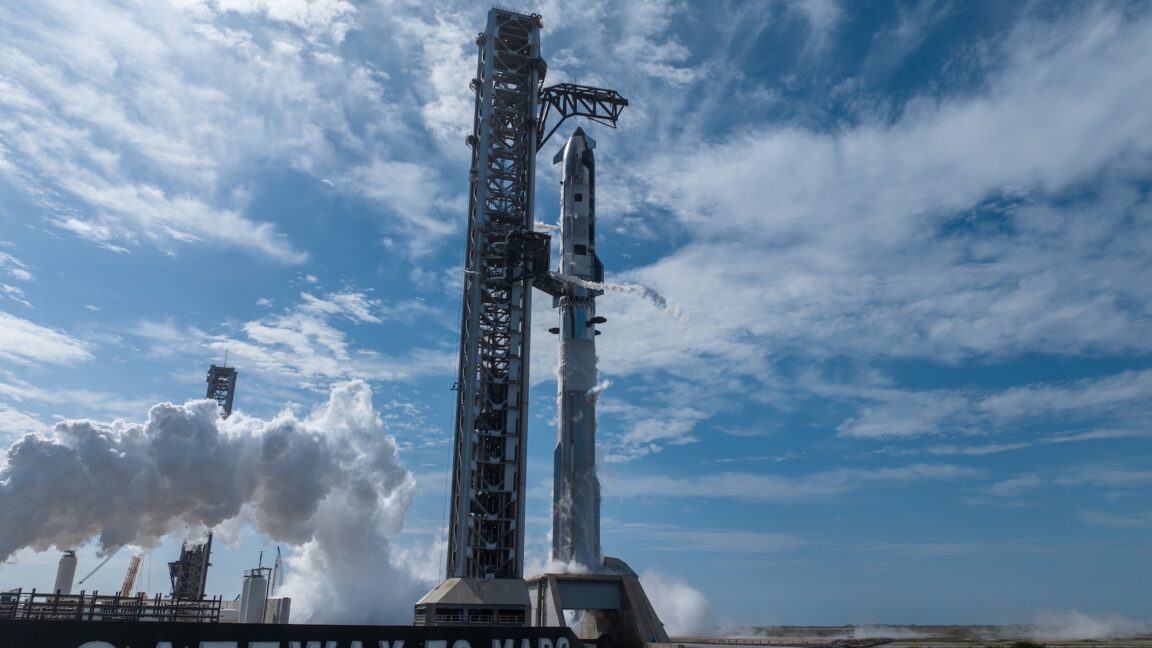
SpaceX has successfully fuelled a fully stacked Starship Version 3 rocket with more than 11 million pounds of super-cold methane and liquid oxygen. This milestone was achieved on Monday, setting a new record for the tallest rocket ever built at 408 feet. The achievement follows a technical issue that had previously halted a fueling attempt on Saturday, prompting a shift in the launch schedule.
With the vehicle now prepared, the launch team is targeting a liftoff attempt for Tuesday, 19 May, from a new launch pad at Starbase in South Texas. This facility is located approximately 1,000 feet west of the site used for all previous Starship test flights. The upcoming flight represents the 12th full-scale test flight for the vehicle and is a critical step toward enabling the in-orbit refueling capabilities required for NASA's Artemis programme.
The upgraded Starship Version 3 features higher-thrust Raptor 3 engines and modified grid fins. Prior to the fueling, ground crews completed the assembly of the fully stacked rocket on Saturday. Earlier in the week, on 6 May, SpaceX conducted a test-firing of all 33 Raptor engines on the booster, marking the first time the full complement of uprated Raptor 3 engines was ignited at the launch site.
Flight operations are planning a southerly trajectory over the Gulf of Mexico, routing the rocket between the Yucatan Peninsula and western Cuba rather than over the Florida Straits. While future flights of this version aim to return the upper stage to Starbase for recovery by mechanical arms, the current mission targets a controlled splashdown in the Indian Ocean.
Before the vehicle can attempt to fly, workers must install hardware for the rocket's self-destruct system, which involves pyrotechnics designed to blow up the vehicle if it deviates from its flight plan. This process requires the removal of the ship from the booster. Additionally, a launch license from the Federal Aviation Administration remains pending before the attempt can proceed.
