Social media platforms struggle to regulate surge of AI-generated influencers
As tools from Google, OpenAI, and others lower the barrier to entry for creating realistic AI personas, platforms face a growing crisis of trust, with the virtual influencer market projected to exceed $60 billion by 2030.
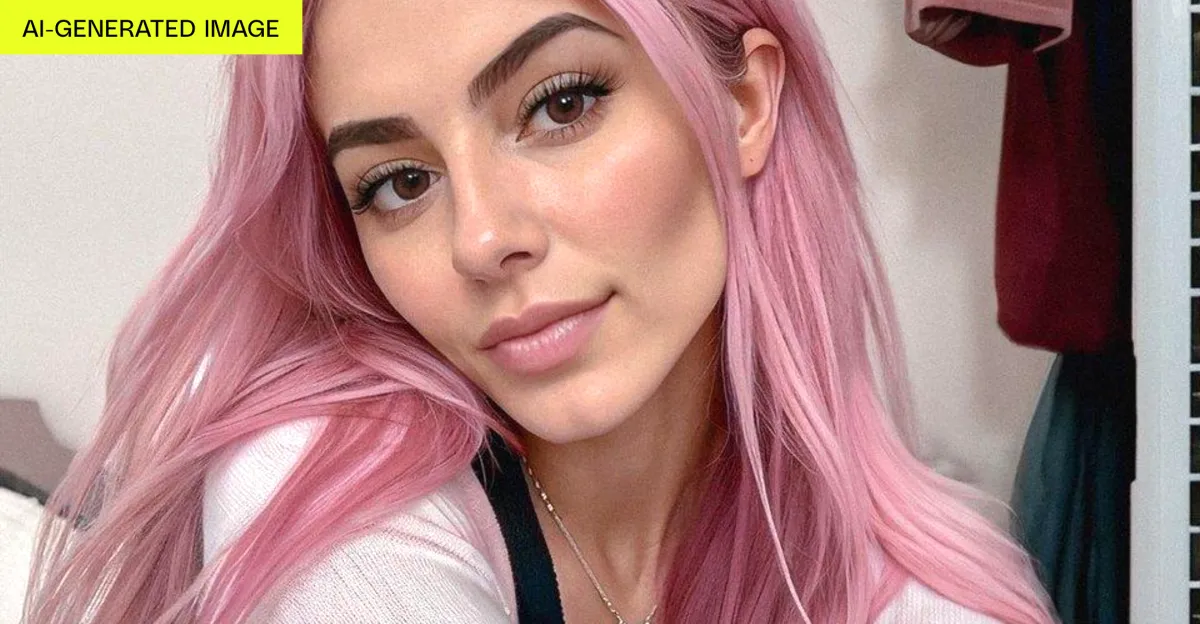
Social media platforms are grappling with an escalating challenge as AI-generated content creators become increasingly difficult to detect and regulate. The technology underpinning synthetic avatars has improved significantly, allowing almost anyone to produce convincing fake influencers using mainstream tools from companies such as Google and OpenAI, alongside specialised services like Higgsfield, HeyGen, and ElevenLabs. This accessibility has led to a surge in low-quality content, scams, and disinformation, leaving platforms to rely on labeling policies that often fail to address the ambiguity of AI personas.
Early virtual influencers, such as Lil Miquela, Imma, and Shudu Gram, were easily identifiable as digital productions. However, newer avatars like Emily Pellegrini and Aitana Lopez have moved closer to reality, mimicking the aesthetics of well-travelled human influencers. Lopez is managed by the Spanish creative agency The Clueless, while Pellegrini’s creator, known as Professor EP, previously managed OnlyFans creators and now sells courses on making AI influencers. This shift has blurred the lines between human and synthetic content, making detection harder for both users and automated systems.
The proliferation of these avatars has coincided with a broader influx of AI-generated material, often described as low-quality drivel. These fake people are now ubiquitous, upselling drop-shipped goods, scamming users with fake photos, pushing disinformation, and catering to niche sexual content. Unlike traditional spam, these accounts often do not fit neatly into existing platform categories for scams, impersonation, or graphic material, as they are not necessarily impersonating specific real individuals. This regulatory gap allows the ecosystem to thrive in a state of ambiguity.
Market research firms estimate the virtual influencer market could be worth more than $60 billion by 2030, up from approximately $12 billion this year. Cultural clout is growing alongside financial value, with AI influencer awards, beauty pageants, and dedicated talent agencies emerging. However, concerns remain about the sustainability of this model. If platforms continue to prioritise engagement over authenticity, human users may be driven away, potentially collapsing the social networks that rely on a critical mass of human interaction.
Regulatory pressure may soon force greater transparency, particularly under Europe’s AI Act, which requires clear disclosure of AI-generated content. While this could prompt platforms to step up flagging, the focus remains largely on individual posts rather than the nature of the account itself. In the absence of robust platform-level moderation, the burden falls on users to spot and report suspicious profiles, a strategy that many find unsustainable as the volume of synthetic content continues to rise.
