Six new scientific studies reveal insights into dolphin propulsion, Roman ship repairs, and the physics of soda cans
Japanese simulations decode dolphin swimming efficiency, pollen analysis confirms mid-voyage repairs on a Roman wreck, and new dating methods refine the age of the Twelve Apostles
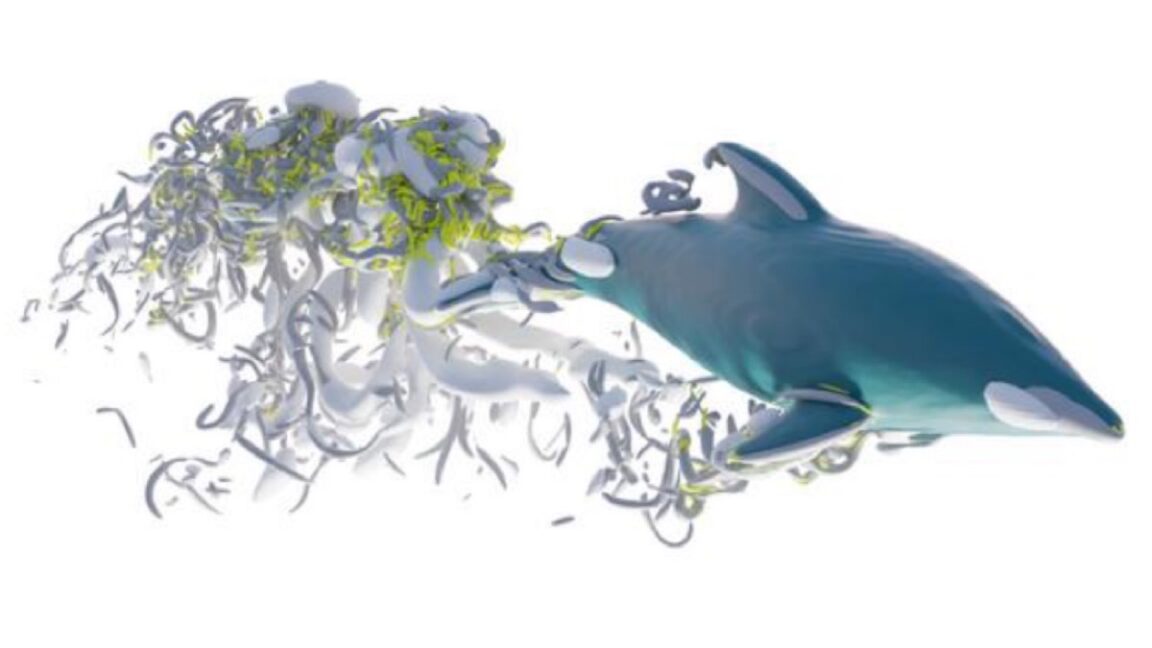
A collection of six scientific studies released in 2026 offers a diverse glimpse into the mechanisms governing marine biology, archaeology, physics, and geology. The research, compiled by Ars Technica, spans topics ranging from the fluid dynamics of dolphin tails to the electrical communication networks of fungi, highlighting how modern analysis is reshaping our understanding of both natural phenomena and historical records.
Japanese researchers from the University of Osaka have utilised supercomputer simulations to determine that dolphin swimming efficiency relies on a specific hierarchy of vortices. By analysing the eddies produced by tail oscillations, the team found that large vortex rings generated by the kicks provide the primary thrust, while smaller vortices are merely byproducts of turbulent flow. These findings, published in the journal Physical Review Fluids, suggest that future underwater robots could be designed for greater speed and efficiency by mimicking these specific fluid dynamics.
In the realm of archaeology, analysis of pollen trapped within the waterproofing layers of the Ilovik–Paržine 1 Roman shipwreck has provided concrete evidence of mid-voyage repairs. Scientists examined the molecular makeup of ten coating samples from the wreck, which was constructed in what is now Brindisi on Italy's south-eastern coast. The presence of specific plant pollen, combined with a unique mixture of beeswax and tar known as zopissa, indicates that the vessel was repaired successively in various locations across the Adriatic Sea, a detail previously obscured by the study of non-wooden materials.
Physicists at the University of Manchester have discovered that liquid-filled soda cans collapse in a highly predictable pattern of circular rings when crushed, a phenomenon distinct from the immediate failure of empty cans. Through mathematical modelling and laboratory experiments, the researchers identified that the metal softens and stiffens in a repeating cycle under compression, a process they describe as homoclinic snaking. This fundamental property of liquid-filled cylinders could assist engineers in detecting early signs of structural failure in industrial storage and transportation systems.
Geologists at the University of Melbourne have revised the age of the Twelve Apostles limestone stacks, dating them to between 8.6 and 14 million years old. Using microscopic fossils, the team determined that tectonic plates pushed the formation out of the sea during this period, with coastal erosion shaping the pillars only in the last few thousand years. This finding suggests the stacks were tilted slightly by the tectonic movement and contain evidence of past earthquakes, offering a new window into the region's geological history.
Further exploring biological networks, researchers at Tohoku University found that applying water or urine to ectomycorrhizal fungi alters electrical flow within their mycelial networks. By attaching electrodes to 37 locally grown mushrooms, the team observed that applying water to a single specimen increased electrical activity, whereas applying it across a larger area reduced it. Similarly, the application of urine, which contains ammonia, decreased information flow, indicating that the spatial distribution of liquids significantly impacts how these underground networks transmit information.
Finally, Japanese scientists have developed a novel method for identifying historical solar proton events by cross-referencing medieval diaries with carbon-14 measurements in tree rings. The study focused on a diary by Fujiwara no Teika, which described seeing red lights in the northern sky over Kyoto in February 1204 CE. This historical account, when matched with carbon-14 spikes in asunaro wood and confirmed by tree ring analysis, provided evidence of a solar proton event associated with an aurora, offering a new interdisciplinary approach to studying space weather.