Senate Confirms Kevin Warsh as Fed Chair Amid Fierce Political and Market Scrutiny
The US Senate has confirmed Kevin Warsh as the next Federal Reserve Chair, a move that has triggered sharp criticism from Democrats and economists over political influence, while Republicans hail the selection as a return to accountability.
The US Senate confirmed Kevin Warsh as the next Federal Reserve Chair in a closely divided 54-45 vote on May 13, 2026, succeeding Jerome Powell. The appointment has immediately ignited a political and economic debate, with critics arguing the decision undermines the central bank’s historical independence. Conversely, Republican lawmakers and the Trump administration have praised the selection, framing Warsh as a necessary corrective to what they view as previous institutional failures.
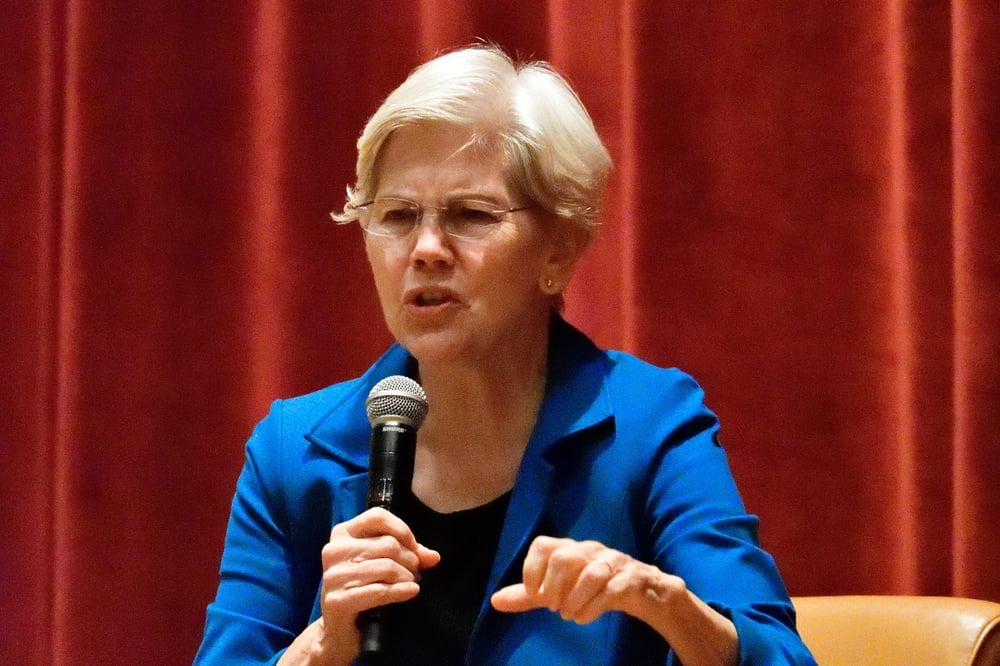
Senator Elizabeth Warren of Massachusetts led the opposition, describing Warsh as President Trump’s “sock puppet” designed to control interest rates for the benefit of Wall Street rather than working families. Warren characterised the confirmation as a significant step in the administration’s attempt to take over the Federal Reserve. Her concerns were echoed by economist Justin Wolfers, who questioned which version of Warsh would actually lead the institution: the “inflation hawk” of his tenure as a Fed Governor from 2006 to 2011, or a nominee beholden to political demands.
Support for the appointment came from across the aisle, with Republicans celebrating the outcome. Senator Tim Scott described Warsh as “battle-tested” and an “excellent choice” ready to lead the central bank. Treasury Secretary Scott Bessent added that Warsh would usher in a new day of accountability and sound policy, stating he looked forward to working with the new Chair to keep the Fed depoliticised and focused on affordability.
Despite the political victory, Warsh inherits a complex economic landscape marked by uncertainty and divided opinions. Economist Mohamed El-Erian warned that the new Chair faces a “daunting” environment characterised by eroded credibility and a divided committee. El-Erian noted that Warsh must navigate competing pressures on both sides of the Fed’s dual mandate, with the economic outlook remaining unclear amidst stagflation fears.
Market participants and analysts have highlighted significant discrepancies between current policy signals and investor expectations. Macro investment researcher Jim Bianco pointed out that while market indicators suggest expectations for rate hikes, Warsh’s own statements have pointed toward rate cuts. Bianco urged the new Chair to provide immediate clarity to align stakeholders. Meanwhile, legendary investor Ray Dalio cautioned that slashing interest rates in the current environment could be disastrous for the Fed’s standing, adding to the pressure on Warsh to establish a coherent policy direction from the outset.