Security researcher unveils algorithm to evade surveillance camera detection
Bill Swearingen’s adversarial patterns successfully bypassed Flock cameras at Def Con, offering a new tool for privacy advocates seeking to opt out of algorithmic tracking.
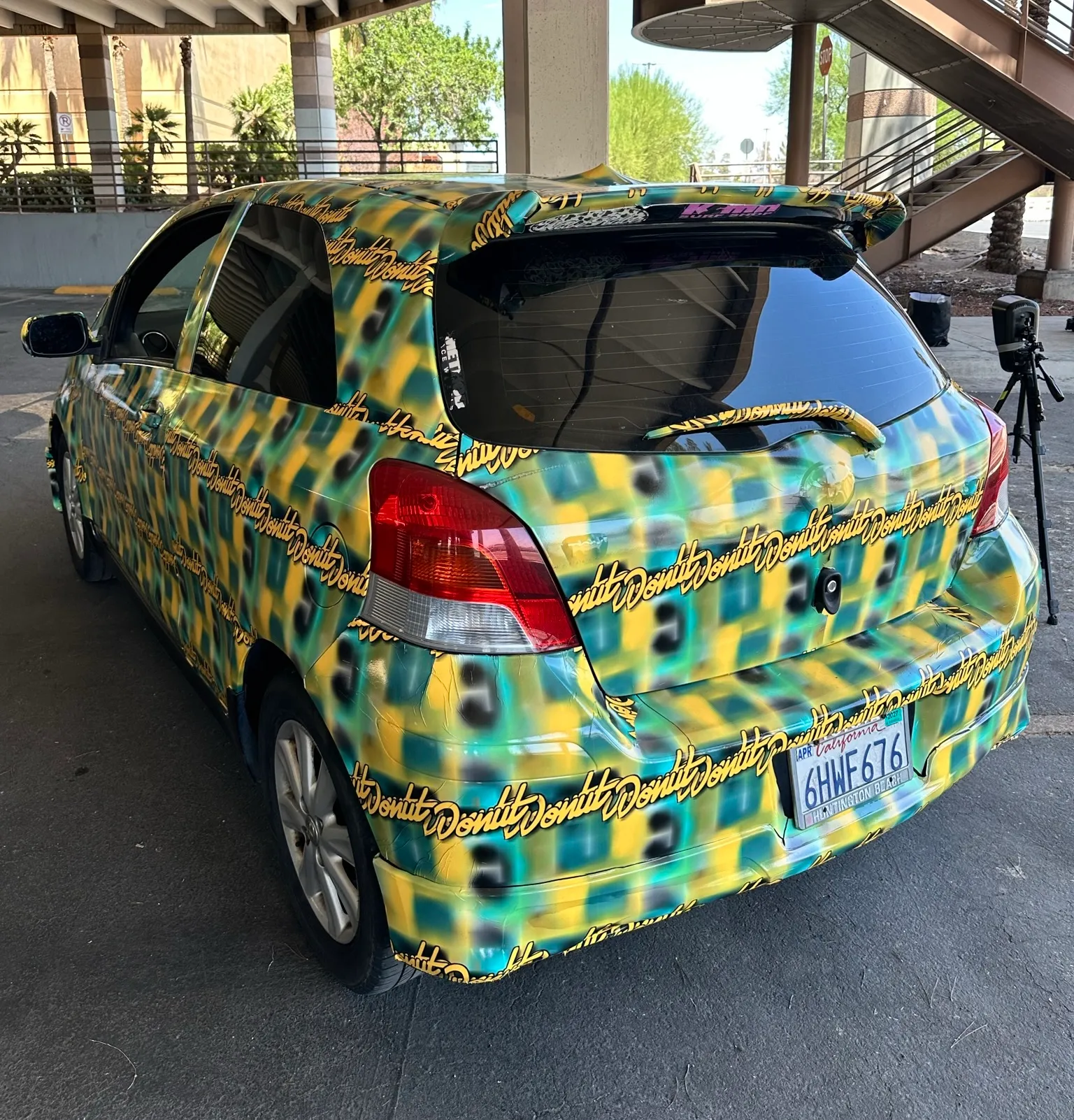
Security researcher Bill Swearingen has developed an algorithm capable of generating adversarial patterns that prevent surveillance cameras and license plate readers from detecting people, faces, and vehicles. Part of his noRecognition project, the system utilises reinforcement learning to create visual designs that scramble detection algorithms without obstructing the underlying video recording. Swearingen demonstrated the technology’s efficacy at the Def Con cybersecurity conference in Las Vegas, where a vehicle covered in the pattern successfully evaded detection by a Flock camera.
The project aims to provide individuals with a mechanism to opt out of the increasing algorithmic tracking prevalent across public spaces. Swearingen, who co-founded the cybersecurity meet-up SecKC in Kansas City, stated that the initiative stems from concerns regarding privacy at protests and the ubiquity of surveillance infrastructure. He described his patterns as a means for citizens to reclaim privacy, noting that many people have not opted in to having their driver’s licenses used for facial recognition or their movements tracked by local cameras.
To refine the algorithm, Swearingen conducted approximately 31 million tests over the past year. The model was trained against 11 open-source detection algorithms, including software powering Flock license plate readers, Axon body-worn cameras, and Clearview AI. The reinforcement learning system essentially taught itself how to generate effective patterns by iterating through failures until it found designs that defeated multiple detection systems simultaneously.
The algorithm now generates new patterns every minute, with each batch described as mathematically superior to the last. However, Swearingen is keeping his strongest patterns off the internet to prevent camera manufacturers from developing countermeasures. He acknowledged that while previous efforts to counter surveillance, such as art projects and specialised apparel, have had mixed results, his approach builds on this groundwork with a more robust, self-improving model.
Following the successful real-world test at Def Con, assisted by Donut Media, the project is moving toward public distribution. A crowdsourcing campaign has been launched to fund early merchandise, including T-shirts, hoodies, and potential vehicle skins featuring the patterns. Swearingen intends for the designs to be high-resolution and aesthetically pleasing, ensuring they function effectively from a distance while remaining fashionable for everyday wear.