Samsung joins industry-wide price hike as consumer budgets stretch under inflationary pressure
Analysts at IDC predict record-low smartphone sales as buyers delay upgrades, while competitors Google and Apple follow suit with their own pricing adjustments.
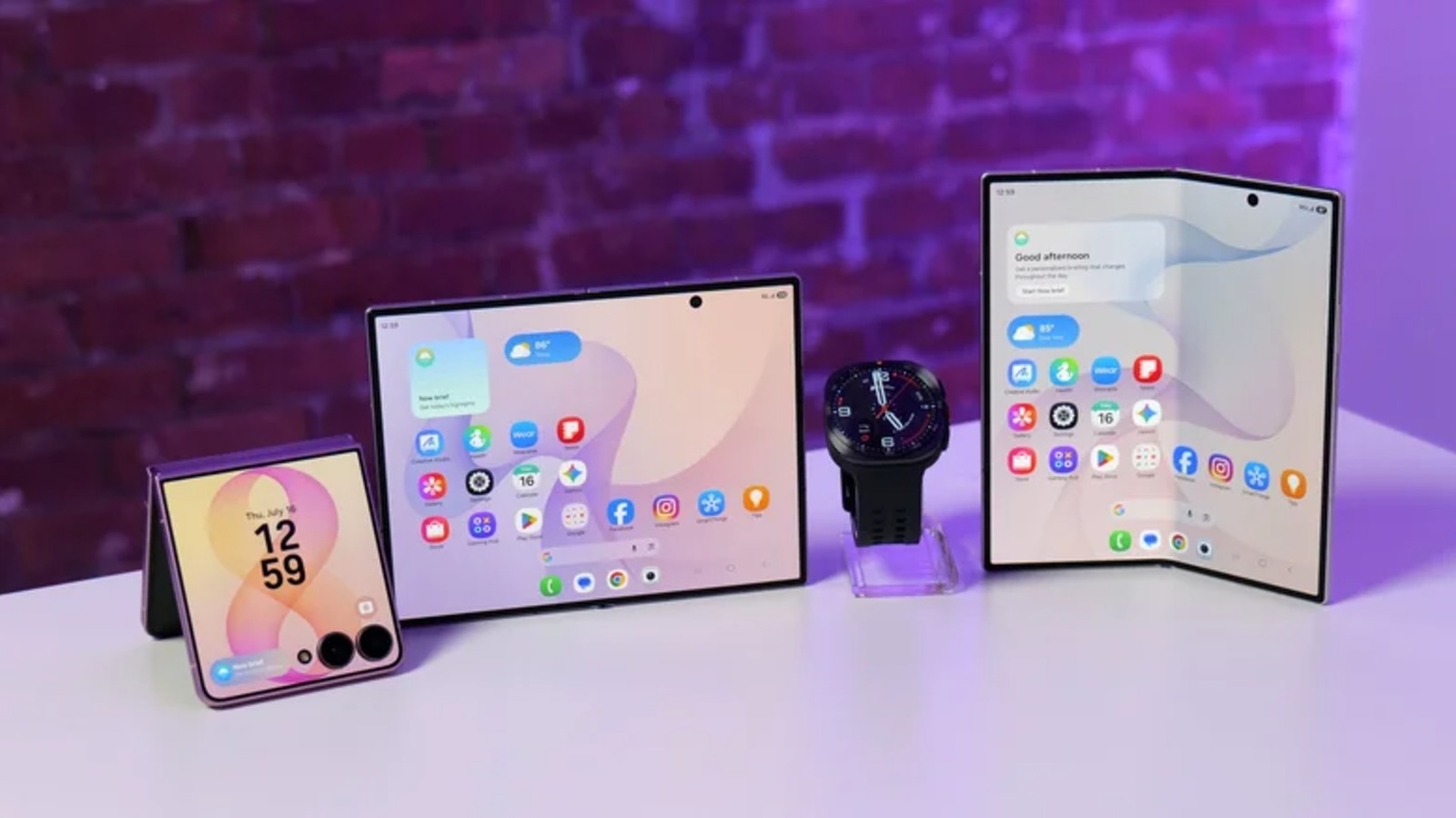
Samsung has increased the price of its latest foldable flagship and ultra-flagship devices by $100 across the board, a move that reflects broader industry trends driven by component costs and inflation. The adjustment has prompted a sense of relief among some observers, who had feared significantly higher hikes due to the so-called "RAMpocalypse" and AI-driven component cost inflation. However, the increase signals a wider sector shift where the link between component pricing and perceived value is becoming increasingly severed.
Competitors are expected to follow Samsung’s lead, with Google reportedly adding at least $100 to new Pixel handsets. Apple has already raised prices on most of its product lines, with further increases anticipated for the iPhone 18 series launch in the autumn. Speculative theories suggest Apple may split the iPhone 18 launch to debut ultra-flagship models, including a rumored foldable, alongside Pro models in the fall, delaying the standard iPhone 18 until after the holiday season.
The price hikes coincide with stretched consumer budgets, exacerbated by a 15.7 per cent rise in energy prices reported by the US Department of Labor over the last 12 months. As inflationary pressures mount, consumers are increasingly reconsidering purchases and delaying upgrades. A 9to5Mac poll revealed that 38 per cent of readers intend to hold onto their current hardware for longer due to rising costs, highlighting the growing price sensitivity in the market.
Industry-wide price increases have already had a tangible impact on sales volumes. In May 2026, Valve withdrew its entry-level Steam Deck, priced at $399, while raising prices for mid-range and premium models to $789 and $949 respectively. A BoilingSteam report indicates that these price increases caused sales of the Steam Deck to drop by 82 per cent, illustrating how sensitive consumers are to price changes in the consumer electronics sector.
Industry analysts at IDC predict a "hefty drop" in sales for the remainder of the year and across 2027, with the smartphone sector expected to see "record low" sales due to the memory crunch. The concept of "contract burying," where price hikes are spread over 12 or 24-month contract periods, may mask the immediate financial impact on consumers, but the long-term effect on spending remains a concern for the industry.