Samsung deploys One UI 9 beta for Galaxy S26 in select markets ahead of flagship foldable launch
Owners of the Galaxy S26 in the US, UK, Germany, India, Poland, and Korea can now access the Android 17 build via the Samsung Members app.
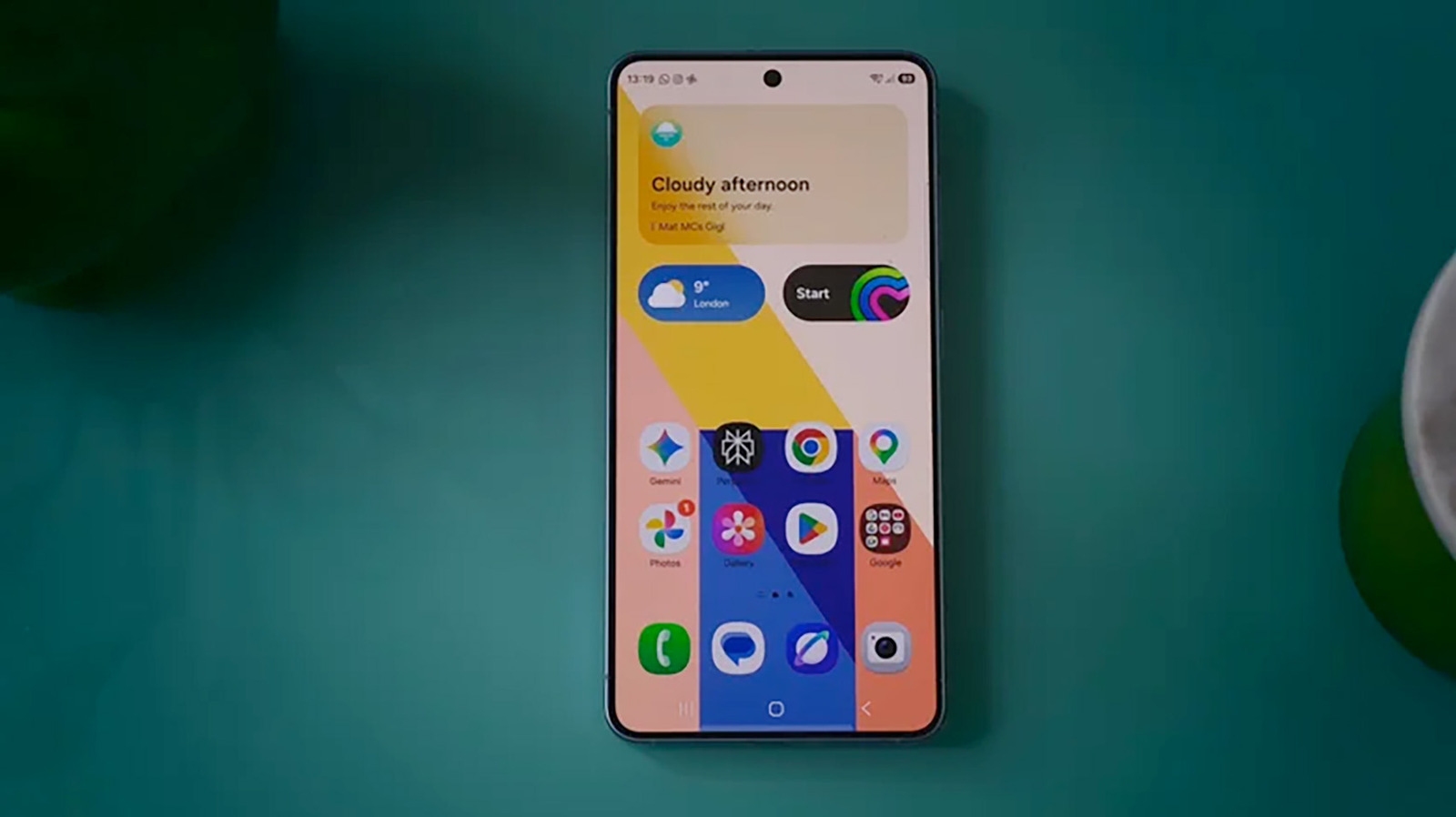
Samsung has initiated the rollout of the One UI 9 beta, built on the Android 17 operating system, for Galaxy S26 owners this week. The distribution is currently limited to select markets, specifically the United States, United Kingdom, Germany, India, Poland, and Korea. Eligible users can access the update directly through the Samsung Members app.
The update introduces a redesigned Quick Panel featuring independently adjustable controls for brightness, sound, and media. Samsung Notes has also received enhancements, including decorative digital tapes and additional pen line styles. Furthermore, the Contacts app now integrates with Creative Studio, allowing users to create personalised profile cards without switching applications.
Significant improvements have been made to accessibility tools within the beta. Users relying on external keyboards can now adjust the mouse key speed, and Samsung's TalkBack screen reader has been integrated with Google's version of the same technology. A new feature called Text Spotlight enables users to zoom and clarify selected text within a floating window.
Security enhancements are also present in this release. A new function has been added to detect high-risk applications, warn users accordingly, and block their installation. However, the beta version omits major advanced AI features, which Samsung has intentionally reserved for the final release of One UI 9.
The final version of the software is expected to arrive later this year on upcoming Galaxy flagship devices. Industry reports suggest this refers to the company's flagship foldables, which are rumoured to launch in July. The specific timeline for the final release beyond the current quarter remains undefined.
While the current feature set is functional, the company's strategy appears focused on saving its most significant innovations for the upcoming hardware cycle. This approach ensures that the most advanced capabilities are aligned with the launch of the new foldable devices later in the year.
