RWE pivots to gas after $1.2bn US wind lease buyout
The Trump administration has paid $3.93 billion to cancel 12 offshore wind leases, with RWE’s $1.2 billion exit marking the latest major shift in US energy infrastructure.
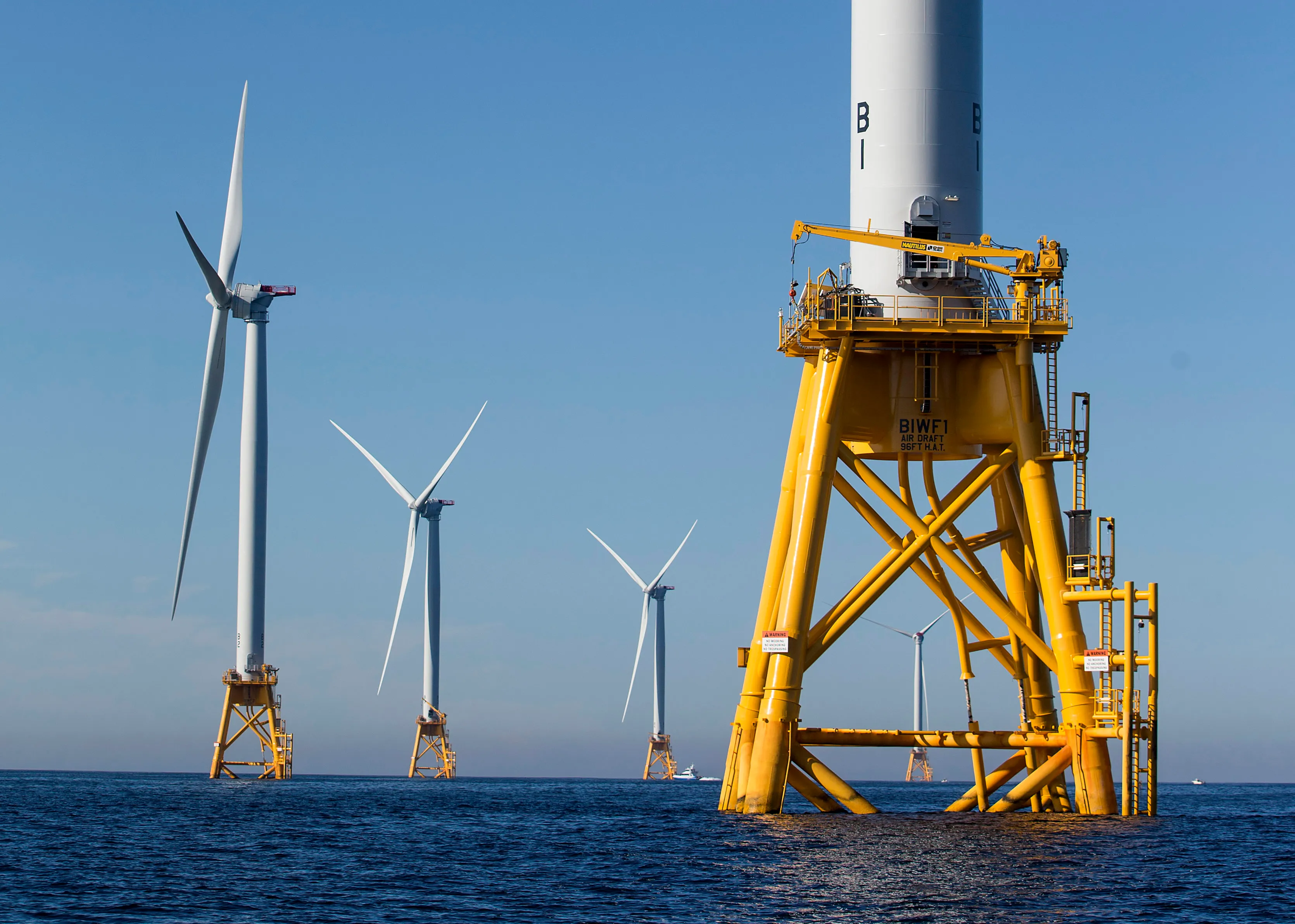
The Trump administration has finalised agreements totalling $3.93 billion to cancel 12 offshore wind leases, with the most recent deal involving a $1.2 billion payment to German utility RWE. This payment allows RWE to abandon planned wind farms off the coasts of California, Louisiana, and New York. In a strategic pivot, RWE will redirect $900 million of these funds to acquire a stake in a Louisiana liquid natural gas (LNG) export terminal and utilise the remaining $300 million to purchase natural gas turbines for 15 peaking power plants.
Peaking power plants are described as among the most expensive and polluting types of natural gas facilities to operate. While the cancellation of the New York lease removes a project with over 3 gigawatts of capacity, RWE continues to invest in offshore wind internationally, having recently secured 6.9 gigawatts of capacity in the UK. A significant backlog in turbine manufacturing is expected to persist into the early 2030s, creating uncertainty regarding the delivery schedule for the newly acquired units.
The administration has coaxed developers into abandoning the 12 leases through these cancellation payments. The total expenditure of $3.93 billion covers the full scope of these agreements, which represent a significant reallocation of capital away from renewable energy projects in the United States. RWE’s decision to invest in LNG and gas turbines signals a near-term focus on fossil fuel infrastructure despite its broader international renewable commitments.
The timeline for the completion of the 15 peaking power plants remains unclear. Although a turbine backlog extends into the early 2030s, it is not explicitly stated whether the $300 million covers the full cost of the turbines or just a portion, nor the specific delivery schedule for these units. This ambiguity highlights the logistical challenges facing the US power sector as it navigates shifts in energy policy and supply chain constraints.
RWE’s international portfolio remains active in the offshore wind sector, contrasting with its US strategy. The company’s purchase of 6.9 gigawatts of capacity in the UK’s recent auction indicates that the firm is not backing off its global offshore wind investments. This dual approach underscores the divergent regulatory and market conditions influencing energy development in the United States compared to Europe.
The cancellation of the New York wind farm, which would have generated more than 3 gigawatts of capacity, represents a substantial loss in potential renewable generation. The funds redirected to the Louisiana LNG terminal and gas turbines will instead support natural gas infrastructure, aligning with the administration’s broader energy priorities. This shift has implications for the US energy mix, particularly in states seeking to balance reliability with decarbonisation goals.