RSL Media launches Human Consent Standard for AI licensing backed by A-list actors
The protocol, supported by figures including George Clooney and Meryl Streep, shifts focus from specific URLs to the underlying identity itself, with a verification registry scheduled to launch in June.
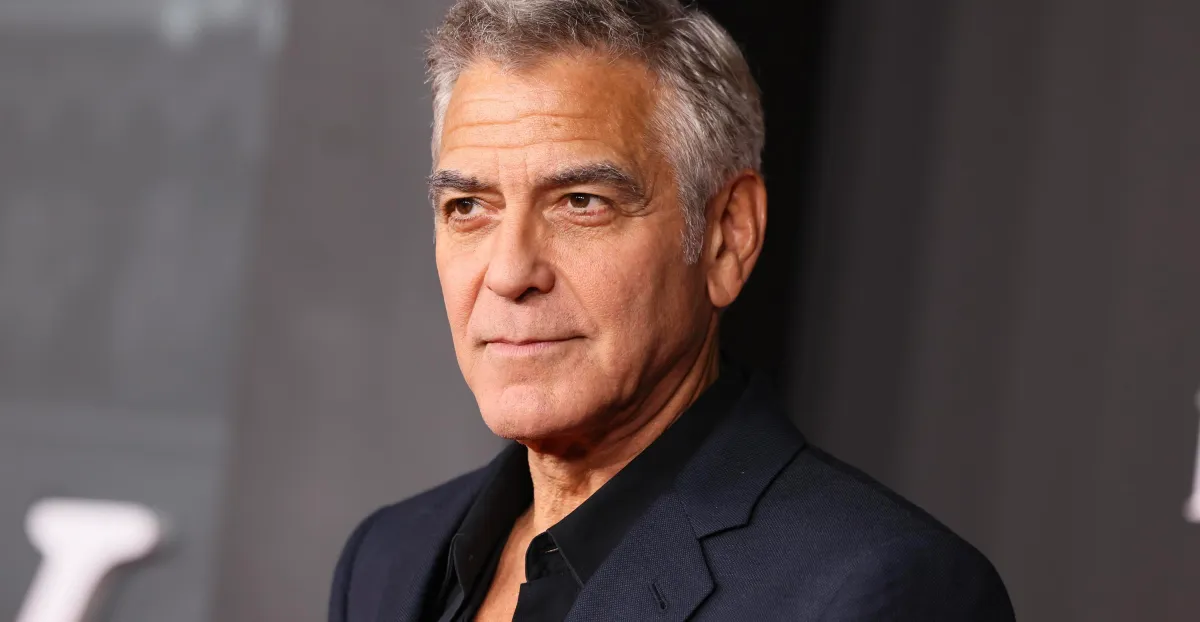
RSL Media, a nonprofit organisation co-founded by Cate Blanchett, has introduced the Human Consent Standard, a new framework designed to give individuals control over how artificial intelligence systems utilise their likenesses and creative works. The initiative represents a significant evolution from the Really Simple Licensing Standard launched last year, moving beyond content at specific web addresses to protect the underlying work, identity, character, or mark wherever it appears.
Under the new protocol, rights holders can grant full permission, impose specific requirements, or restrict access entirely. This approach allows creators to signal their preferences through a website's robots.txt page, a method AI systems will check against a central identity registry. The registry is scheduled to launch in June, providing a trusted place for people and rights holders to publish declarations that responsible AI systems can verify.
The initiative is backed by prominent figures in the entertainment industry, including George Clooney, Tom Hanks, and Meryl Streep. Support also extends to organisations such as the Creative Artists Agency and the Music Artists Coalition, alongside talent including Viola Davis, Kristen Stewart, and Steven Soderbergh. Eckart Walther, a cofounder of RSL Media, stated that the system aims to translate human-set terms into signals readable by AI systems to facilitate and activate consent.
Unlike the previous standard which applied to content at specific URLs, the Human Consent Standard applies to the underlying work or identity itself, regardless of where it appears. This distinction is crucial as it allows for broader protection of intellectual property and personal likeness in an increasingly automated digital environment. The system is designed to be a free, technology-based solution accessible to everyone, not just public figures.
The launch comes as some artists and actors have previously taken legal steps to combat the unauthorised use of their likenesses. For instance, Matthew McConaughey has trademarked clips of himself, while Taylor Swift has applied for trademarks on photos and soundbites. RSL Media aims to provide a simple, effective, and free solutions-based technology for facilitating consent, allowing people everywhere to assert control over how their work is used by AI.
RSL Media describes the registry as an industry-first practical solution where individuals can publish declarations so that AI systems can determine whether a work, likeness, voice, character, or brand is allowed, prohibited, or requires permission. The goal is to create a transparent mechanism where the terms set by creators are clearly communicated to the algorithms that increasingly shape the media landscape.
