Rivian R2 first drive: EV maker’s volume play shows substance over hype
Engadget’s review of the 2027 Rivian R2 Performance Launch trim highlights a vehicle that is smaller, cheaper, and more composed than its predecessor, signalling a serious shift in strategy for the US-based automaker.
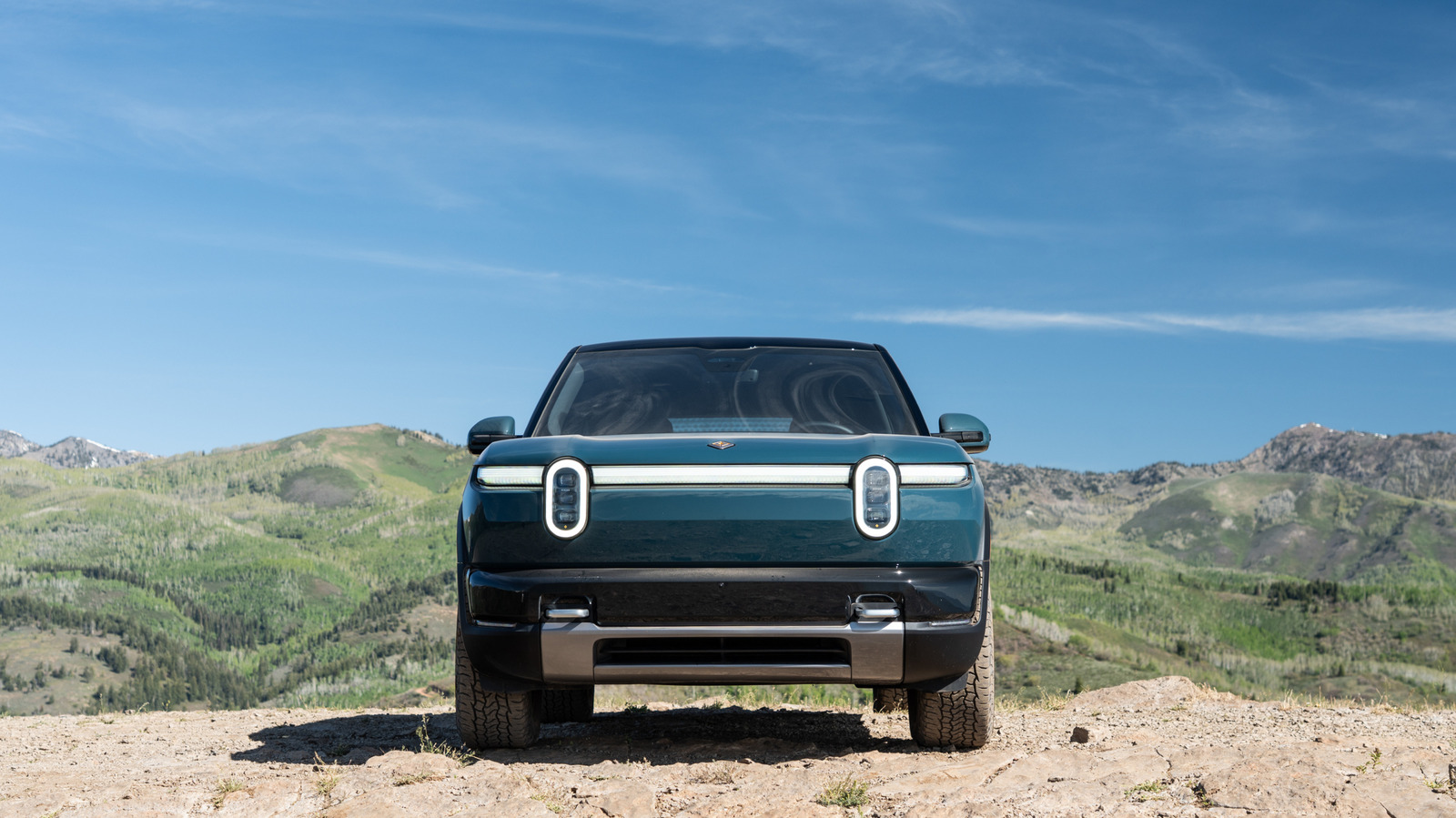
Rivian is pivoting from its niche, high-margin electric vehicle strategy to a broader volume play with the introduction of the 2027 R2. According to a first-drive review by Engadget, the new two-row, five-seater SUV represents the company’s strongest vehicle to date, offering a more accessible entry point into the brand while maintaining the engineering rigour expected of its premium predecessors.
The R2 measures 15 inches shorter than the existing R1S, bringing its length to approximately 185 inches and placing it in direct competition with the Tesla Model Y. This reduction in size is paired with a significantly lower price tag. The top-shelf Performance Launch trim starts at $57,990, a substantial discount from the R1S which begins at $76,990. A base model is expected to arrive in 2027 with a starting price of $44,990, further expanding the addressable market for the Normal, Illinois-based manufacturer.
Under the metal, the test vehicle, a Performance Launch model, utilises a dual-motor all-wheel-drive system producing 656 horsepower and 609 lb-ft of torque. Power is drawn from an 88kWh usable battery pack, delivering an estimated range of 330 miles. Charging capabilities peak at 230kW, allowing for an 80 percent charge in under 30 minutes. Future trims will include a Premium edition with 450 horsepower and a Standard single-motor rear-wheel-drive variant offering between 275 and 345 miles of range.
Off-road capability remains a core tenet of the Rivian brand, and the R2 demonstrates notable competence despite a simpler mechanical layout. Equipped with 9.6 inches of ground clearance and a 25-degree approach angle, the vehicle navigated challenging terrain in Park City, Utah, using open differentials and brake-based traction control rather than locking differentials. The suspension, featuring steel springs and adaptive dampers on the Performance trim, provided a more composed ride on asphalt compared to the R1S, isolating occupants from harsh pavement while remaining agile.
Inside, the cabin centres around a 15.6-inch touchscreen complemented by unique "Haptic Halo" scroll wheels on the steering wheel, which provide dynamic tactile feedback. However, the vehicle launches with notable omissions in its digital ecosystem. Voice recognition and smartphone projection via Apple CarPlay or Android Auto are absent, requiring drivers to use an on-screen keyboard for basic commands. Rivian has indicated that voice assistant support will be delivered via a software update within months, but the current lack of these features represents a significant gap in user convenience.
The Universal Hands-Free (UHF) driver assistance system performed adequately in lane-keeping tests on secondary routes with unclear markings, though the test vehicle failed to execute automatic lane changes. While the driving dynamics are praised for being sharp and engaging, the review notes that the R2 lacks the novel design language of the original R1T, presenting instead as a conventional, albeit high-quality, SUV.
