Rivian launches R2 SUV as US electric vehicle market faces headwinds
The company aims to deliver up to 25,000 units by year-end, leveraging a new partnership with Uber for autonomous ride-hailing services.
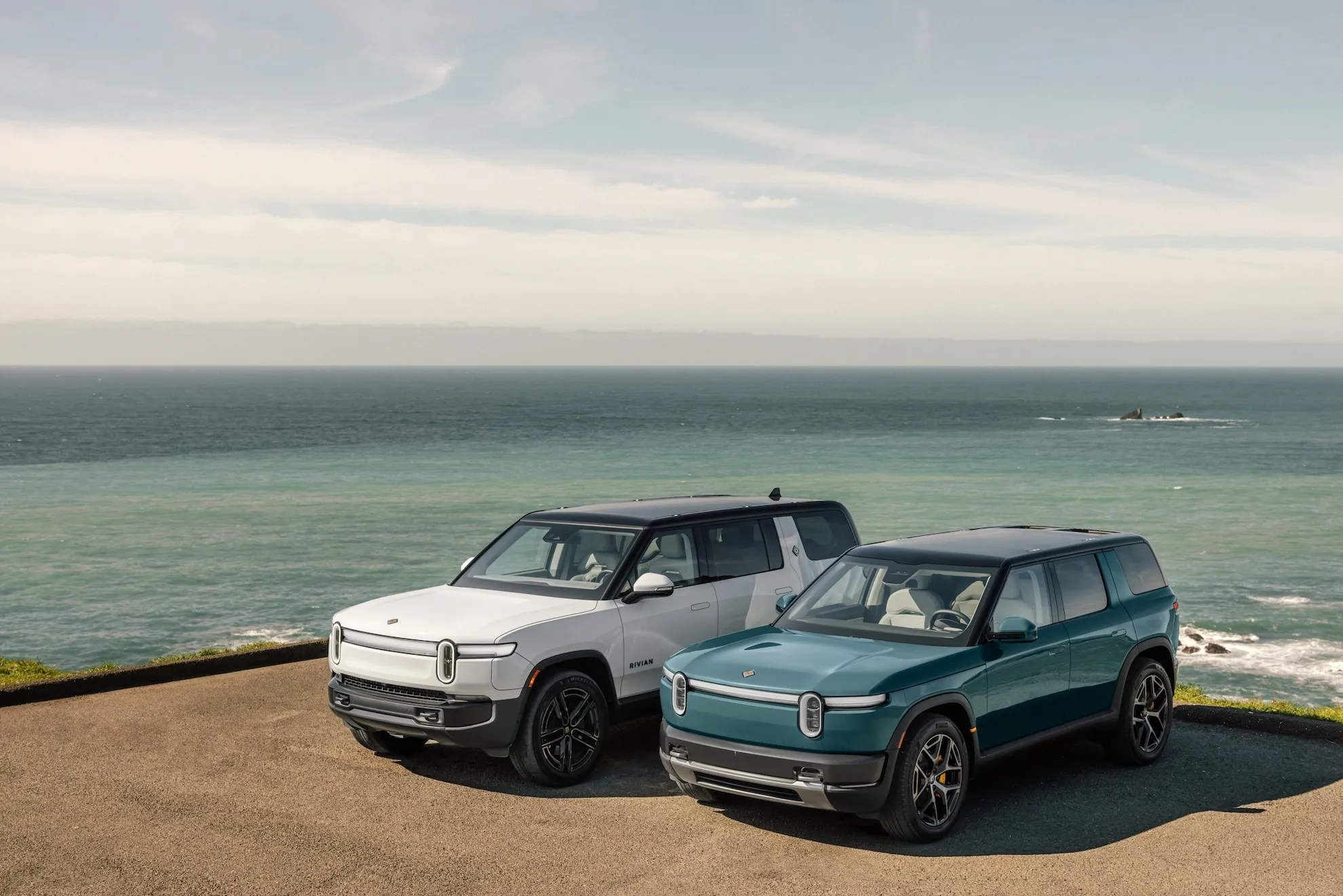
Rivian has officially commenced deliveries of its R2 SUV to paying customers, a milestone founder and chief executive RJ Scaringe described as potentially the most significant launch in the company’s history. Priced from approximately $58,000, the vehicle represents a strategic pivot toward mass-market affordability, scaling down the design elements of the earlier R1 model into a more accessible form factor. The company plans to introduce a variant priced under $50,000 in 2027, followed by a more stripped-down model around $45,000 later that year, fulfilling price points teased since the vehicle’s initial revelation in 2024.
The launch occurs against a backdrop of a challenging US electric vehicle market. The Trump administration has weakened environmental regulations that previously pressured the auto industry to transition away from internal combustion engines, while Congress removed the $7,500 federal tax credit that helped make new electric cars more affordable. Consequently, many legacy automakers have shelved or cancelled their US electric vehicle plans, and sales for industry leader Tesla are reportedly declining.
Despite the domestic headwinds, Rivian has outlined an ambitious production roadmap. The company aims to deliver between 20,000 and 25,000 R2 units by the end of 2026, a target that would position the launch as one of the fastest-scaling electric vehicle introductions in US history. Production is currently underway at the company’s Normal, Illinois, factory, with a new facility in Georgia scheduled to come online in late 2028 to support future volume.
A key component of Rivian’s strategy involves autonomous driving capabilities, with the R2 central to its long-term vision for self-driving technology. In March, the company secured a deal with Uber worth up to $1.25 billion, allowing for up to 40,000 R2 models to be deployed as robotaxis on the ride-hailing network. This partnership underscores the vehicle’s role in Rivian’s broader ambitions to integrate autonomous systems into its fleet.
While the US market faces structural changes, electric vehicle sales are rising globally, with China producing ultra-cheap vehicles that are influencing international markets. Canada recently reduced import taxes on Chinese-made electric vehicles to combat rising new car prices. Scaringe has characterised the current US environment, with fewer new electric vehicles on the market, as an opportunity for Rivian to establish the R2 as a compelling option for consumers.
