Rivals seek regulatory intervention to challenge Google Pay and PhonePe dominance in India's UPI market
Following a delay in enforcing a 30 per cent market share cap until December 2026, competitors argue that the current landscape stifles competition within the Unified Payments Interface ecosystem.
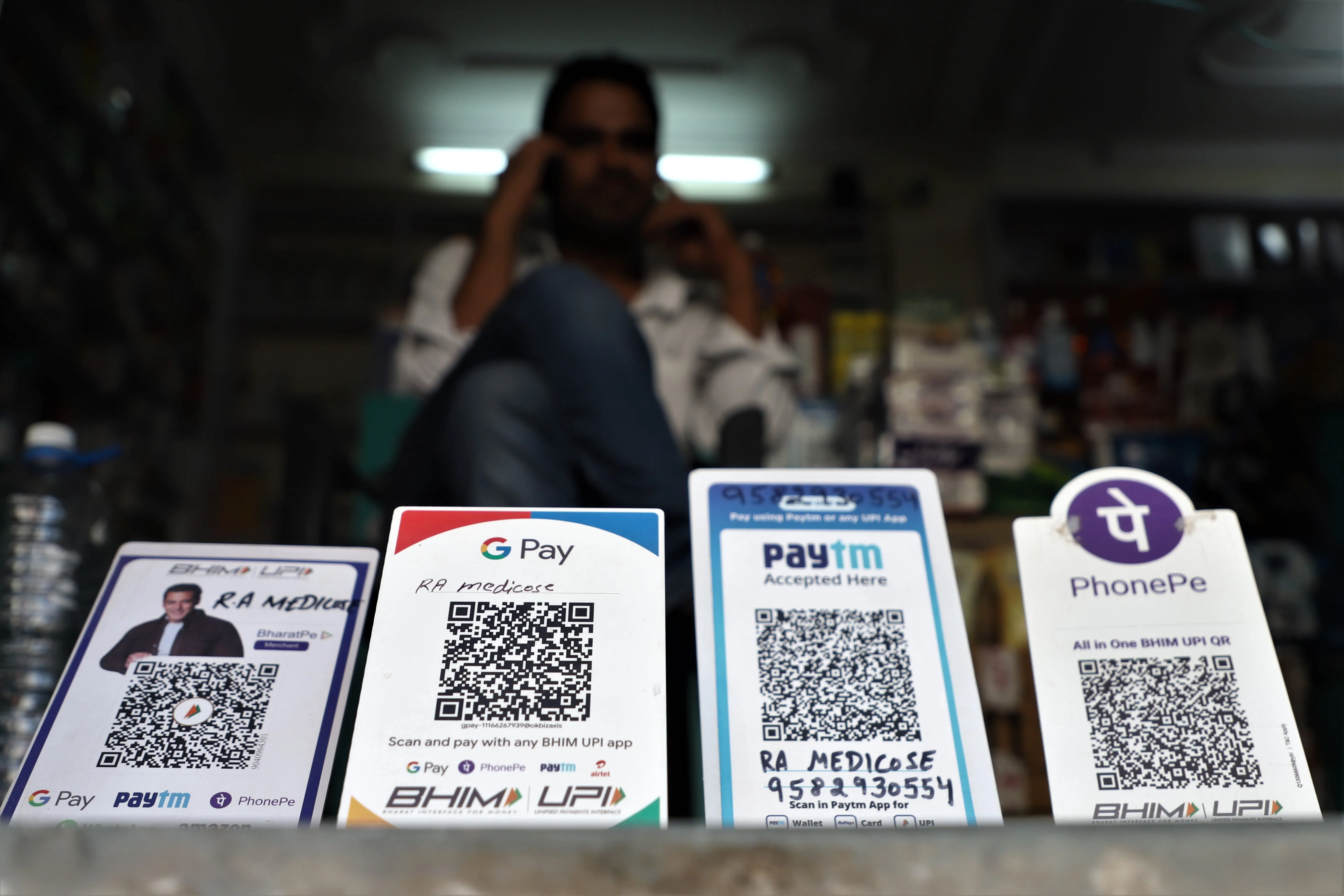
Executives from Amazon, Meta and several other payment rivals are scheduled to meet the National Payments Corporation of India on Thursday to lobby for regulatory restrictions on the market dominance of Google Pay and PhonePe. The agenda for the gathering focuses on user acquisition practices, product design and monetisation within the UPI ecosystem, with specific proposals for restrictions on how dominant apps onboard users and utilise contact data. Participants also intend to call for fair access to features such as autopay and payment mandates, arguing that these measures are necessary to level the playing field for emerging players.
This coordinated lobbying effort follows a significant decision by regulators to defer the implementation of a 30 per cent market share cap for UPI applications until 31 December 2026. The postponement has effectively allowed the two incumbents to retain their entrenched positions, intensifying concerns among smaller competitors regarding their ability to compete on an equal footing. Data from the NPCI indicates that PhonePe and Google Pay combined accounted for roughly 80 per cent of the 22.6 billion UPI transactions recorded in March alone.
The scale of the incumbent platforms is substantial, with PhonePe reporting that it has crossed 700 million registered users and 50 million merchants. Merchant acceptance for the service spans more than 98 per cent of India's postal codes, a reach that rivals describe as difficult to replicate. Other participants in the meeting include representatives from Amazon Pay, WhatsApp, CRED, MobiKwik and Flipkart's Super.money, all of whom find it harder to compete against the dominant instant payment providers.
Despite the clear concentration of market share, the NPCI has historically struggled to curb market dominance without disrupting services used by hundreds of millions of users. The regulatory body operates under the supervision of the Reserve Bank of India and has faced challenges in finding ways to address market concentration while maintaining the stability of the instant payments network. An agenda reviewed by TechCrunch suggests that the meeting will raise concerns about how the current structure benefits dominant apps at the expense of innovation and fair competition.
It remains unclear whether the upcoming meeting will lead to any immediate regulatory changes or concrete policy shifts. Questions persist over how the NPCI can effectively address the issues raised by the lobbying group without negatively impacting the vast user base relying on these services. The specific outcomes regarding restrictions on user acquisition and feature access are not yet known, leaving the future trajectory of India's digital payments landscape in a state of flux.

