Razer launches 2026 Blade 18 with top-tier Intel chips, pricing reaches $7,000
The new model features the Intel Core Ultra 9 290HX Plus and RTX 5090 graphics, but retains the previous generation’s battery capacity and weight.
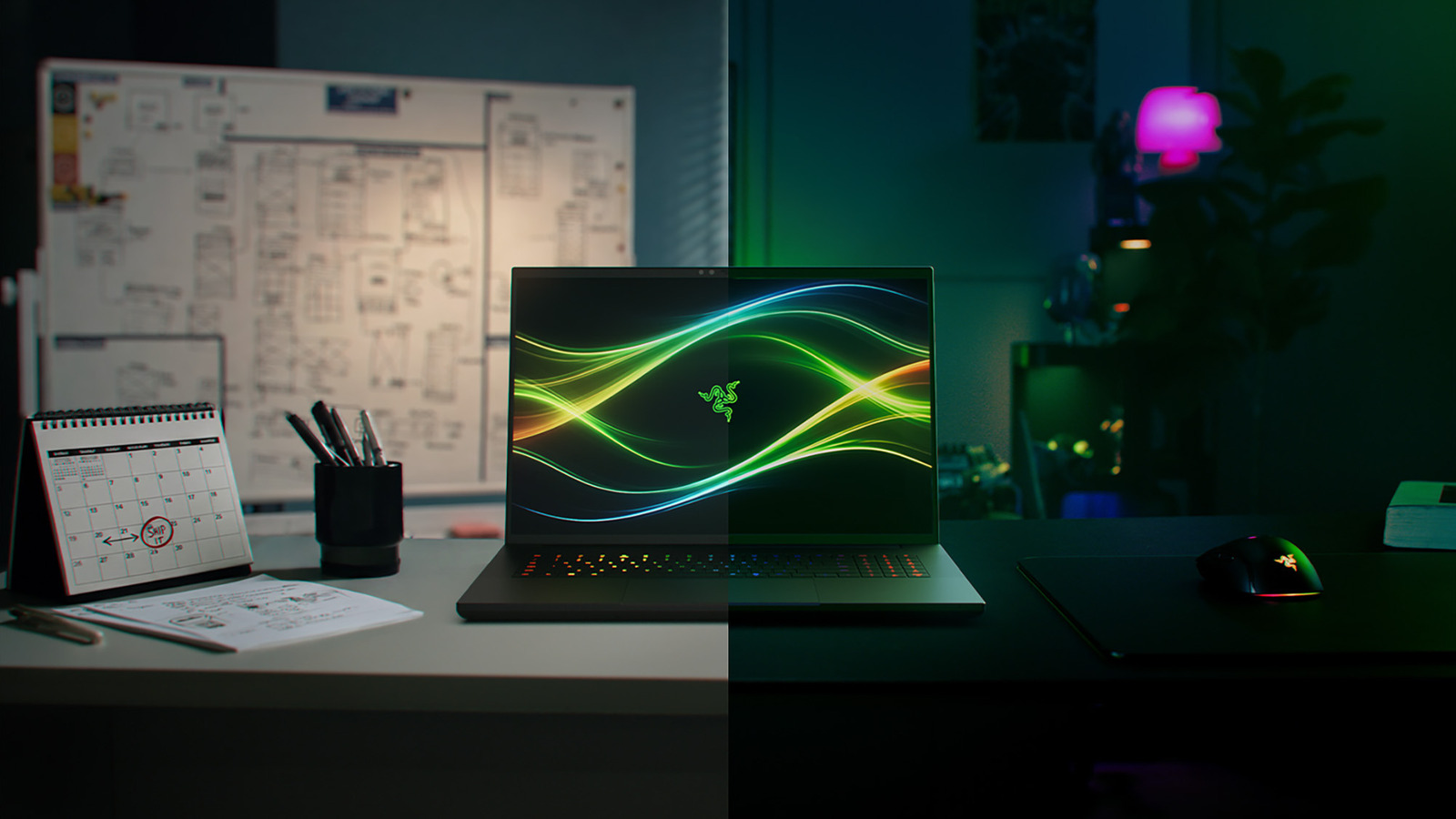
Razer has officially released the 2026 iteration of its Blade 18 laptop, introducing significant internal upgrades while maintaining the chassis design of its predecessor. The latest model is now available for order directly through Razer’s website, positioning the device as a high-performance machine capable of handling intensive gaming and artificial intelligence workloads.
At the core of the update is the new Intel Core Ultra 9 290HX Plus processor, which offers 24 cores and a boost clock of 5.5GHz. This serves as the top-tier processing option for the 2026 model. Graphics capabilities remain consistent with the 2025 version, with the base configuration utilising the NVIDIA GeForce RTX 5070 Ti and the high-end variant featuring the RTX 5090.
Pricing for the device reflects a substantial increase over previous iterations. The base model starts at $4,000, a figure that includes 32GB of memory. Costs escalate sharply with upgrades; an additional $600 is required to increase memory to 64GB, and a further $1,000 upgrade pushes the total to 128GB. A fully specced-out configuration with the top-tier processor and maximum memory costs $7,000.
The display retains the dual-mode capability found in the 2025 model, allowing users to switch between UHD+ resolution at 240Hz and FHD+ resolution at 440Hz. Razer states that the screen in the 2026 model is 20 per cent brighter than its predecessor. However, the physical characteristics remain largely unchanged, with the device weighing approximately 7 pounds (3.17kg), comparable to two 14-inch MacBook Pros.
Battery life remains a potential constraint for users. The laptop retains the 99Wh battery capacity of the previous year, and independent benchmarks for the 2026 model are not yet available. In reviews of the 2025 unit, battery performance was described as poor, with a PCMark 10 benchmark result of just over two hours.
Connectivity options are extensive, including one Thunderbolt 5 port, one Thunderbolt 4 port, three USB 3.2 Gen 2 Type-A ports, HDMI 2.1, 2.5Gb Ethernet, and a UHS-II SD card reader. Razer’s online store features distinct marketing pitches for gaming and AI applications, reflecting the dual focus of the hardware.
