Paternal lifestyle factors now central to family planning advice as research confirms RNA transmission
Scientists from Nanjing University and the University of Massachusetts demonstrate that a father's diet, exercise, and stress levels can physically influence the traits of his children through epigenetic mechanisms.
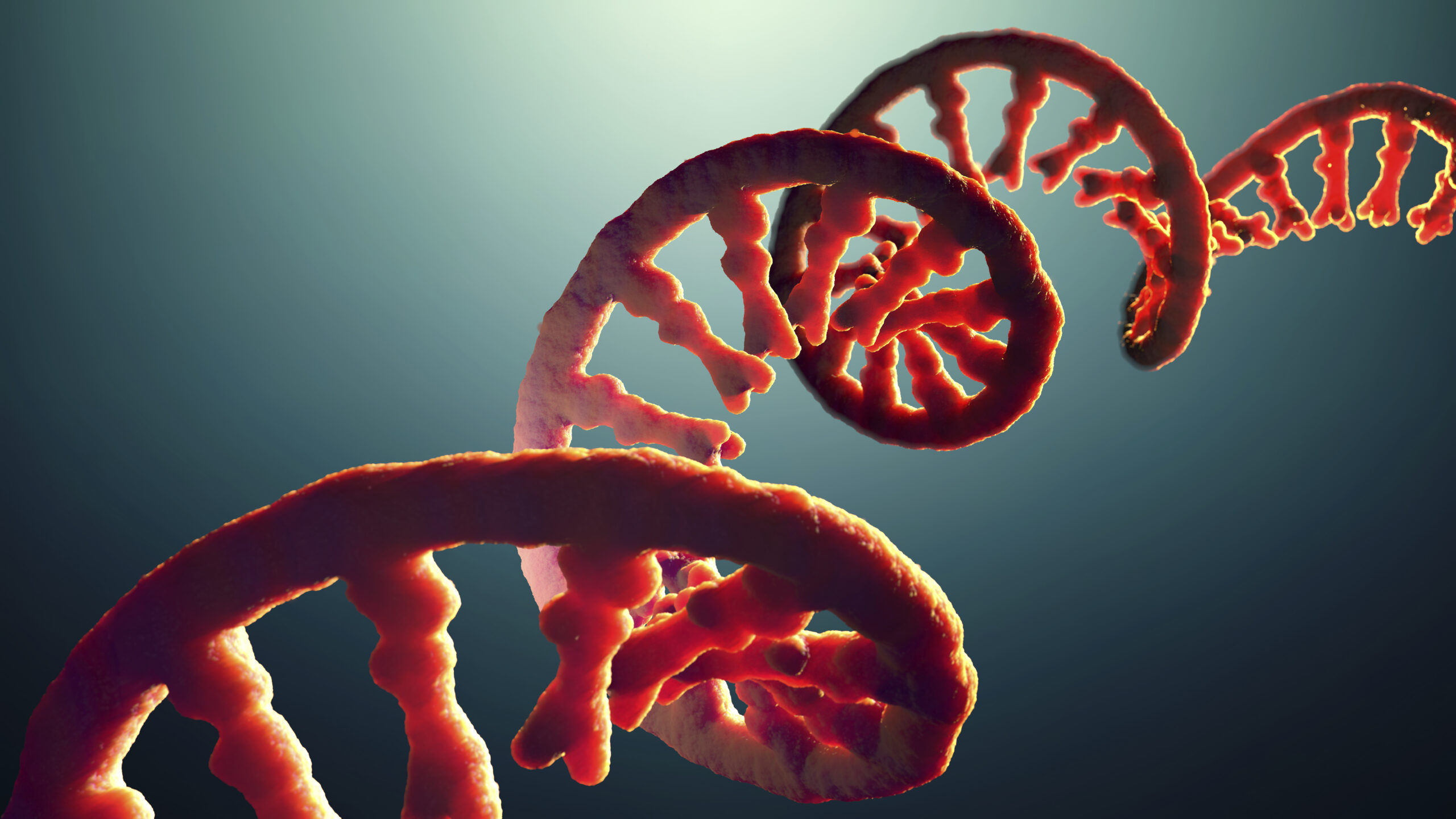
Recent research has provided causal evidence that a father's lifestyle choices, including exercise habits, diet, and stress levels, can alter the physical and developmental traits of his offspring. Studies conducted on mice have confirmed that sperm cells carry microRNAs reflecting these environmental exposures, which are transferred to embryos and induce specific changes without altering the underlying DNA sequence. This discovery marks a significant shift in scientific understanding, suggesting that paternal health must be considered alongside maternal factors when advising couples planning families.
The mechanism behind this transmission involves small RNA fragments acquired by sperm in the epididymis via structures known as epididymosomes. Once inside the embryo, these molecules bind to Argonaute proteins to suppress specific genes, thereby adjusting developmental pathways. For instance, a study led by Colin Conine demonstrated that injecting embryos with microRNA levels typically found in sperm caused craniofacial abnormalities in mice, mimicking the effects of paternal fetal alcohol syndrome. These findings challenge the historical assumption that only maternal health dictates the biological environment of the developing fetus.
While intergenerational effects were first observed in the 1960s, previous evidence remained largely correlational. Attempts to prove causality often relied on RNA concentrations far higher than those naturally present in sperm, raising doubts about biological relevance. A major hurdle known as the "dilution question" also persisted, given that sperm cells are thousands of times smaller than egg cells, making it unclear how a tiny supply of RNA could have a significant impact. However, recent work has addressed these concerns by showing that natural doses of paternal RNA can indeed trigger developmental changes.
Despite these advances, uncertainties remain regarding the exact mechanisms of transfer and the specific triggers for RNA accumulation in response to male experiences. It remains difficult to definitively prove that paternal RNA fragments pass through the egg membrane in natural conception, as distinguishing parental origin in embryos has historically been challenging. Some researchers hypothesize that paternal effects might be mediated more broadly by alterations to the placenta rather than direct RNA action alone, though the precise pathways are yet to be fully mapped.
The implications of this research extend beyond laboratory mice to human health considerations. Observations in humans indicate that fluctuations in RNA fragments in sperm correlate with factors such as obesity, mental health stress, and exposure to toxins. Consequently, medical advice is evolving to include recommendations for fathers, moving away from a model that places the burden of preparation solely on women. As scientists continue to investigate how these molecules yield specific effects across different traits, the focus remains on the profound link between a father's life experiences and the biology of his descendants.
