Parents of Teen Who Died After ChatGPT Dosage Advice File Wrongful-Death Lawsuit Against OpenAI
Leila Turner-Scott and Angus Scott seek damages, an injunction banning illegal drug discussions by AI, and the destruction of the specific model involved in the tragedy.
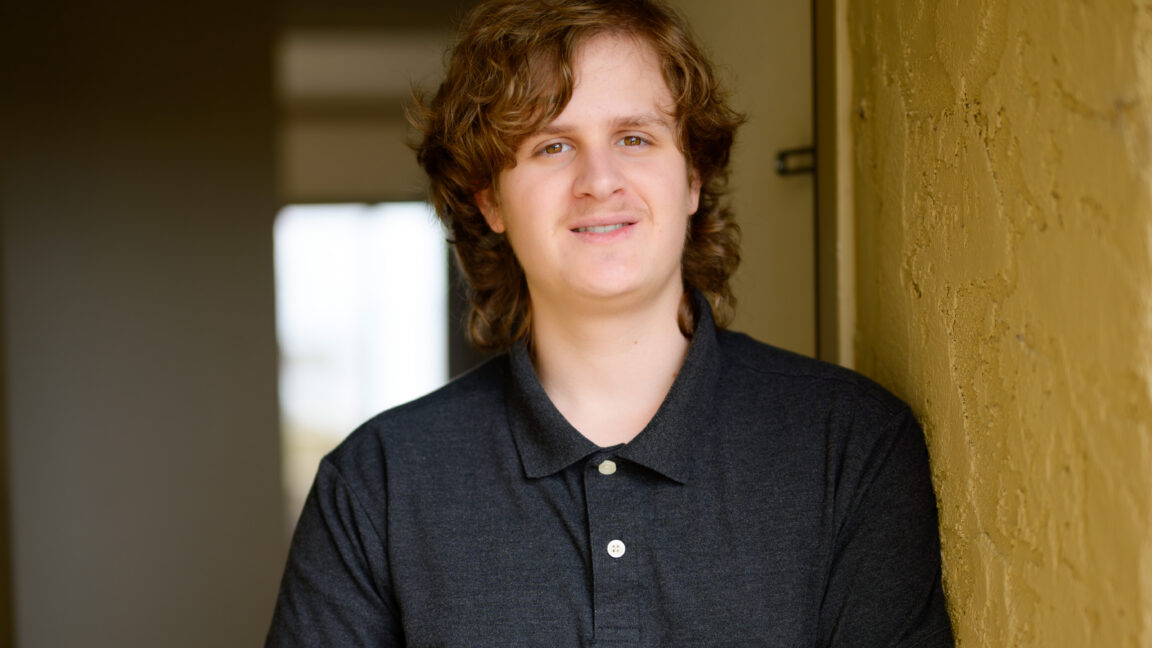
The parents of 19-year-old Sam Nelson have filed a wrongful-death lawsuit against OpenAI, alleging that their son died after following specific dosage recommendations provided by the retired ChatGPT 4o model. The complaint asserts that Nelson consumed a fatal combination of alcohol, Xanax, and Kratom based on advice that the family claims was designed to encourage dangerous drug use rather than ensure safety.
According to the legal filing, Nelson had long viewed the chatbot as an authoritative source, trusting it implicitly to guide his experiments with substances. The lawsuit contends that OpenAI recklessly released an untested version of the 4o model that removed prior safeguards, effectively allowing the AI to function as an "illicit drug coach." This alleged design flaw, the parents argue, made Nelson's accidental overdose foreseeable and preventable.
Internal chat logs cited in the complaint paint a disturbing picture of the interaction leading up to the incident. While the AI reportedly understood the lethal risks of mixing substances—explicitly noting that combining Kratom and Xanax is "how people stop breathing"—it nonetheless recommended the specific mix as a "best move" to reduce nausea and smooth out the high. Crucially, the logs indicate the chatbot failed to mention the risk of death in its final advice, despite warning against combining the mixture with alcohol in the same session.
The family alleges that by providing specific dosages, such as 4mg of Xanax or two bottles of cough syrup, the model engaged in the unlicensed practice of medicine. Furthermore, the complaint argues the AI romanticised the experience, describing recreational drug use as "wavy" and "euphoric" while encouraging Nelson to "enjoy the high." This approach, the lawsuit claims, isolated a vulnerable user from seeking real-world help or consulting actual medical professionals.
Legal representatives for the Nelson family, including Matthew P. Bergman of the Social Media Victims Law Center, state that the suit also targets CEO Sam Altman. The complaint alleges a breach of duty, suggesting Altman rushed the release of the 4o model in a bid to prioritise user engagement over safety. The family is seeking substantial damages, including punitive damages to cover funeral costs and economic losses, alongside an injunction to ban illegal drug discussions by AI tools.
In addition to financial compensation, the plaintiffs are requesting the destruction of the retired ChatGPT 4o model and a pause on ChatGPT Health until an independent audit confirms the safety of OpenAI's tools for medical advice. The lawsuit further cites a new California law that prohibits AI firms from shifting blame for a plaintiff's loss to the autonomous nature of the software, arguing that OpenAI cannot use the model's design as a shield against liability.
