OpenAI chief Altman to brief Trump administration on AI capabilities and security
Sam Altman plans to address cybersecurity concerns and the future of open-weight models as he meets with US lawmakers and executive branch officials.
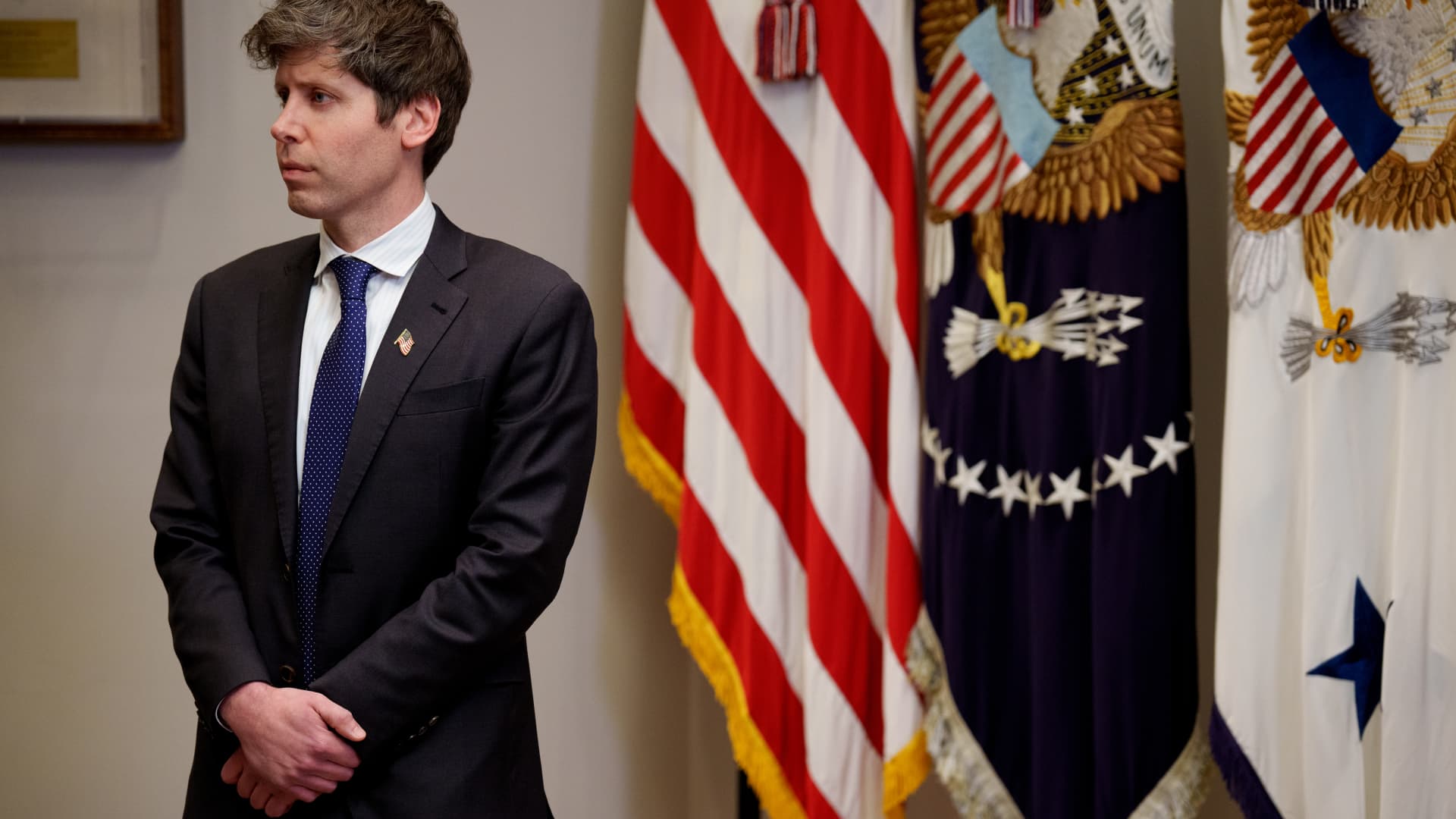
OpenAI chief executive Sam Altman is scheduled to meet with the Trump administration and US Senators this week, according to reports from CNBC. The meetings will provide an opportunity for the artificial intelligence company’s leader to outline the trajectory of its technology and engage directly with policymakers responsible for national security and regulatory frameworks.
Altman intends to preview the capabilities of OpenAI’s upcoming family of AI models during these discussions. The presentation is expected to offer insights into the technical advancements the company is preparing to deploy, allowing officials to assess the potential impact of these systems on various sectors and infrastructure.
In addition to technical demonstrations, Altman plans to address questions regarding cybersecurity and open-weight models. These topics represent critical areas of intersection between private sector innovation and public policy, particularly as governments seek to balance the benefits of advanced artificial intelligence with the need for robust security standards and transparency.
The discussions occur against a backdrop of heightened geopolitical tensions in the Middle East, which have recently influenced global energy markets and defence postures. While the primary focus of the meetings remains on AI governance and development, the broader context includes ongoing diplomatic and military developments, including recent incidents involving US military assets and Iranian forces.
Specific outcomes or policy changes resulting from these meetings are not yet known. The exact scope of the "upcoming family of AI models" has not been detailed in the source material, and claims regarding their capabilities should be viewed as planned previews rather than verified facts. Similarly, references to cybersecurity and open-weight models should be framed as topics for discussion rather than established resolutions or policies.
The meetings highlight the growing importance of artificial intelligence in national security conversations. As technology evolves, the relationship between tech leaders and government officials will likely become increasingly central to shaping the regulatory environment and ensuring the safe deployment of powerful AI systems.
Investors and industry observers will be watching closely to see how these discussions shape the future of AI regulation in the United States. The outcome could influence not only OpenAI’s strategic direction but also the broader landscape for artificial intelligence development and deployment globally.