Olivia Colman on ‘Jimpa’, regret and the architecture of non-conflictual families
In an interview with The Guardian Culture, Colman and director Sophie Hyde discuss a narrative that challenges the necessity of familial strife, exploring how sexuality shapes identity and how listening can serve as a form of healing.
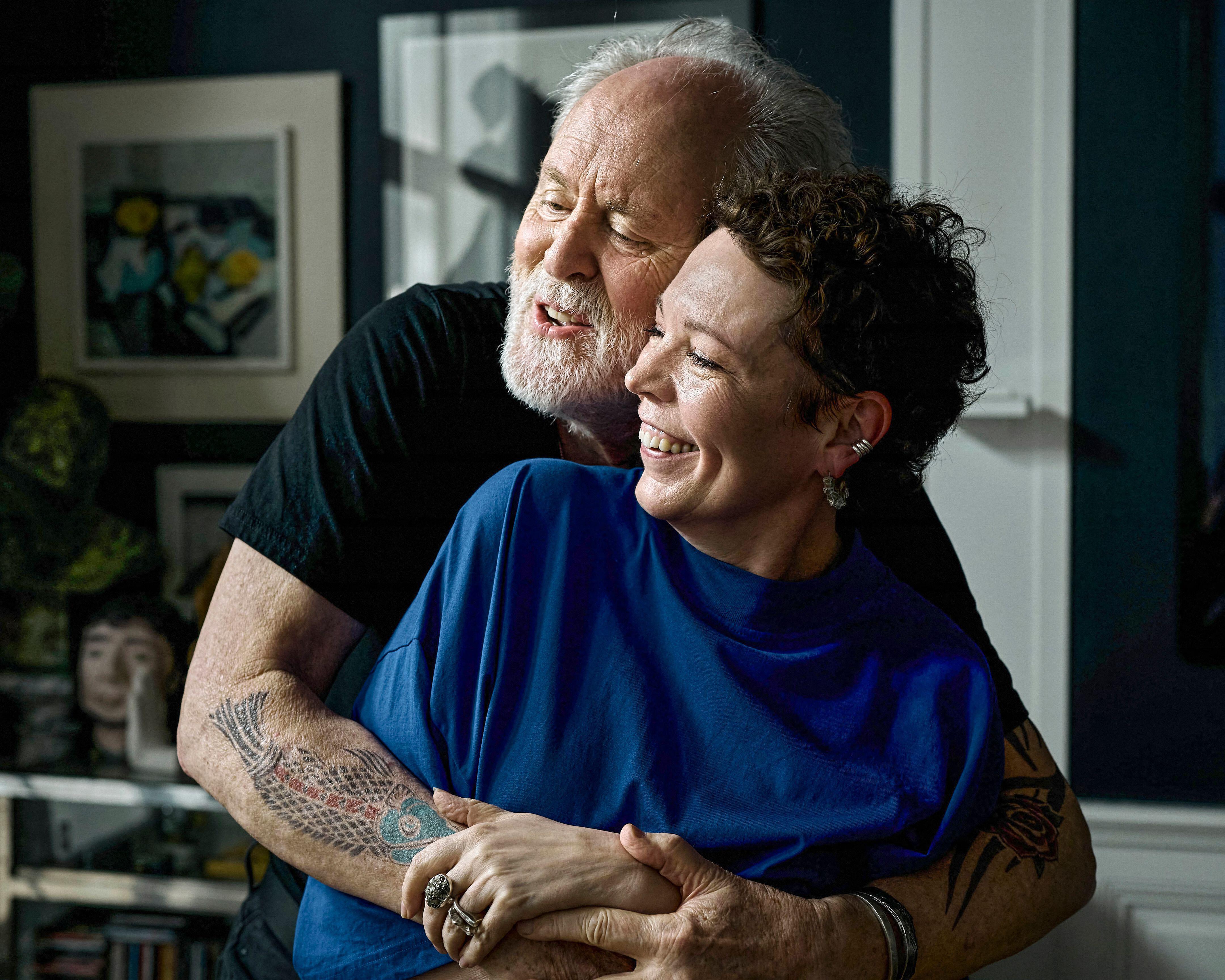
Olivia Colman and director Sophie Hyde have discussed the release of Jimpa, a film that centres on intergenerational queerness and the possibility of non-conflictual family dynamics. The narrative follows Hannah, played by Colman, who travels to Amsterdam with her husband and trans teenager, Frances, to visit her father, Jim. Jim is portrayed by John Lithgow, a gay septuagenarian who left Australia decades ago to pursue a fuller queer life. The film distinguishes itself by rejecting standard dramatic tropes of familial strife, instead exploring how characters respond with loving kindness and restraint.
Lithgow, aged 80, plays Jim with a level of physical openness that he insisted upon, citing his interest in life drawing. Colman, who previously worked with Lithgow on The Crown, noted that the role resonated deeply with her personal history. Her father passed away shortly before filming commenced, and she reflected on her own strained relationship with him, characterised by frequent arguments. Colman stated that playing Hannah allowed her to practice listening and shutting up, expressing regret that she could not have been calmer with her father in life.
Hyde, who directed the project from Adelaide, described the film’s sensibility as queer, arguing that sexuality is instrumental to character identity rather than a mere plot device. She emphasised the film’s rejection of age-based assumptions about sexuality, portraying Jim as a virile human being. The cast also includes Hyde’s daughter, Aud Mason-Hyde, as Frances, Hannah’s trans teenager. Mason-Hyde noted that the role required her to exercise restraint, mirroring the real-life dynamic of young trans people often feeling responsible for soothing others’ reactions.
The film depicts sexual encounters for its characters as transformative and integral to their identities. Mason-Hyde recalled an audience comment in Adelaide suggesting that the sex people have is the least interesting thing about them. Hyde found this reductive, arguing that the film’s queer lens views sexual dynamics as embodied dialogue that informs who the characters are. Colman defended the audience member’s intent but maintained that the film portrays characters making happy, significant decisions about their lives.
Critical reception has focused on the film’s central question: is it possible to make a drama without conflict? Colman dismissed the need for external validation, stating she does not read reviews. She described Jimpa as a beautiful story about kind people who have worked out familial complexities that other families may never resolve. The film stands as an observation on conciliation, suggesting that the ability to disagree without fighting is a pertinent and rare skill in contemporary relationships.