Oil prices rise as Strait of Hormuz deal hopes fade
Traders push crude higher on 10 August 2026, citing uncertainty over an imminent agreement to reopen the strategic waterway.
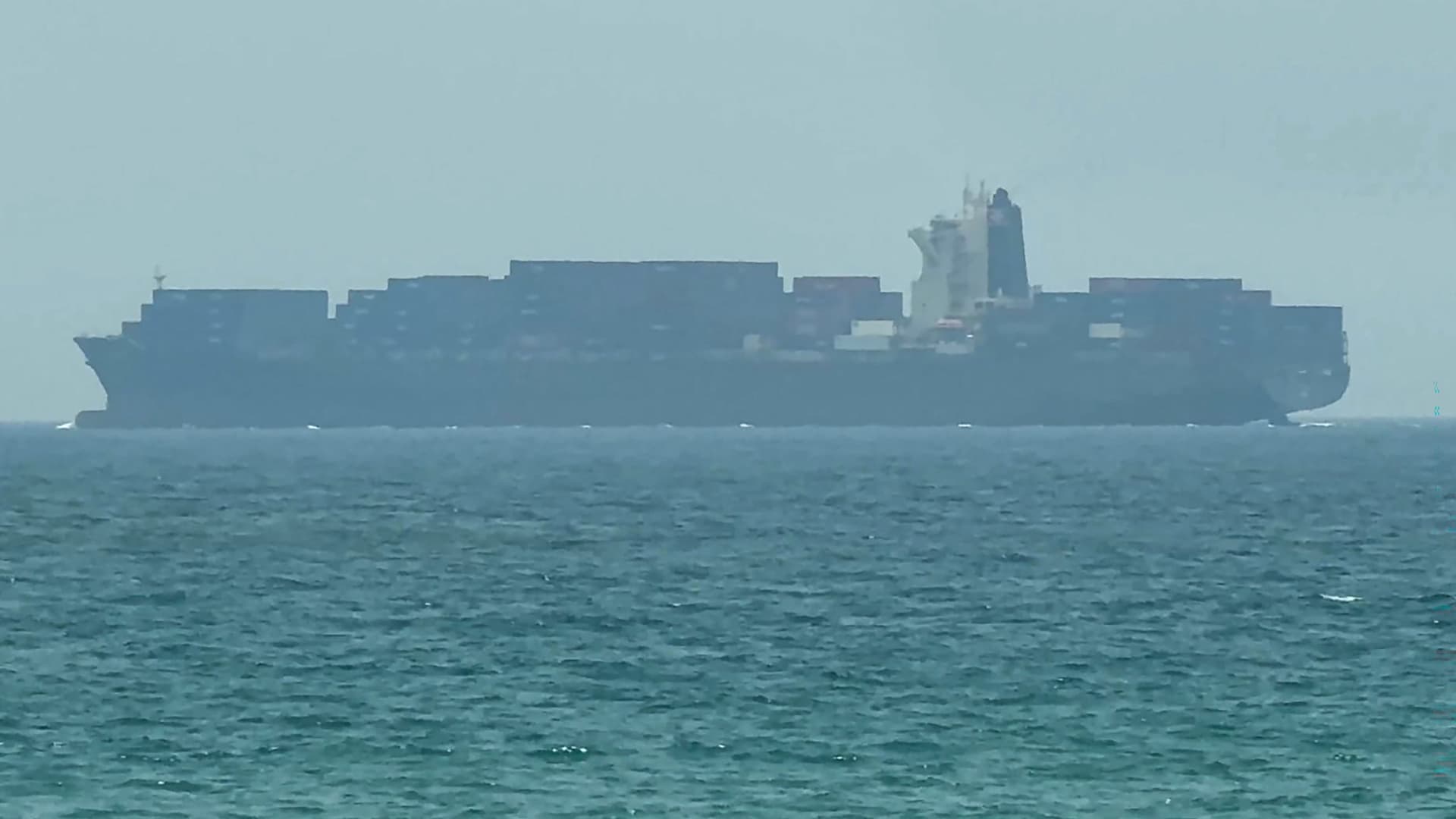
Oil prices increased on 10 August 2026 as market participants weighed conflicting diplomatic signals from the United States and Iran. The rise in crude benchmarks reflects growing concern among traders that a bilateral agreement to reopen the Strait of Hormuz is not imminent, reversing the bullish sentiment seen in earlier weeks.
The current market movement stands in sharp contrast to the reaction on 11 June 2026, when oil prices fell following reports that the two nations were nearing an interim peace deal to reopen the strategic waterway. That earlier drop in energy costs coincided with the debut of the SpaceX initial public offering on the Nasdaq, which saw shares open at $150 after a $135 pricing, raising $75 billion and valuing the company at approximately $1.77 trillion.
As of 10 August 2026, the prevailing narrative has shifted from optimism to caution. According to reporting by CNBC, traders are currently evaluating mixed signals from both governments, with the consensus leaning toward a prolonged timeline for any potential resolution regarding the Strait of Hormuz.
The uncertainty surrounding the timeline for a U.S.-Iran agreement has become the primary driver of energy market volatility. Unlike the June period, where peace hopes directly suppressed prices, the current environment is defined by the absence of a confirmed deal, prompting investors to price in higher geopolitical risk premiums.
While the specific nature of the mixed signals remains undefined in available reports, the market response indicates a clear rejection of the previous expectation that a deal was close at hand. This shift underscores the sensitivity of global energy markets to diplomatic developments in the Middle East.