Norse Atlantic Faces FTC Scrutiny as AI-First Model Sparks Fraud Claims
The low-cost carrier defends its tech-driven efficiency, but dozens of consumers allege the absence of direct contact channels has exposed them to sophisticated scams.
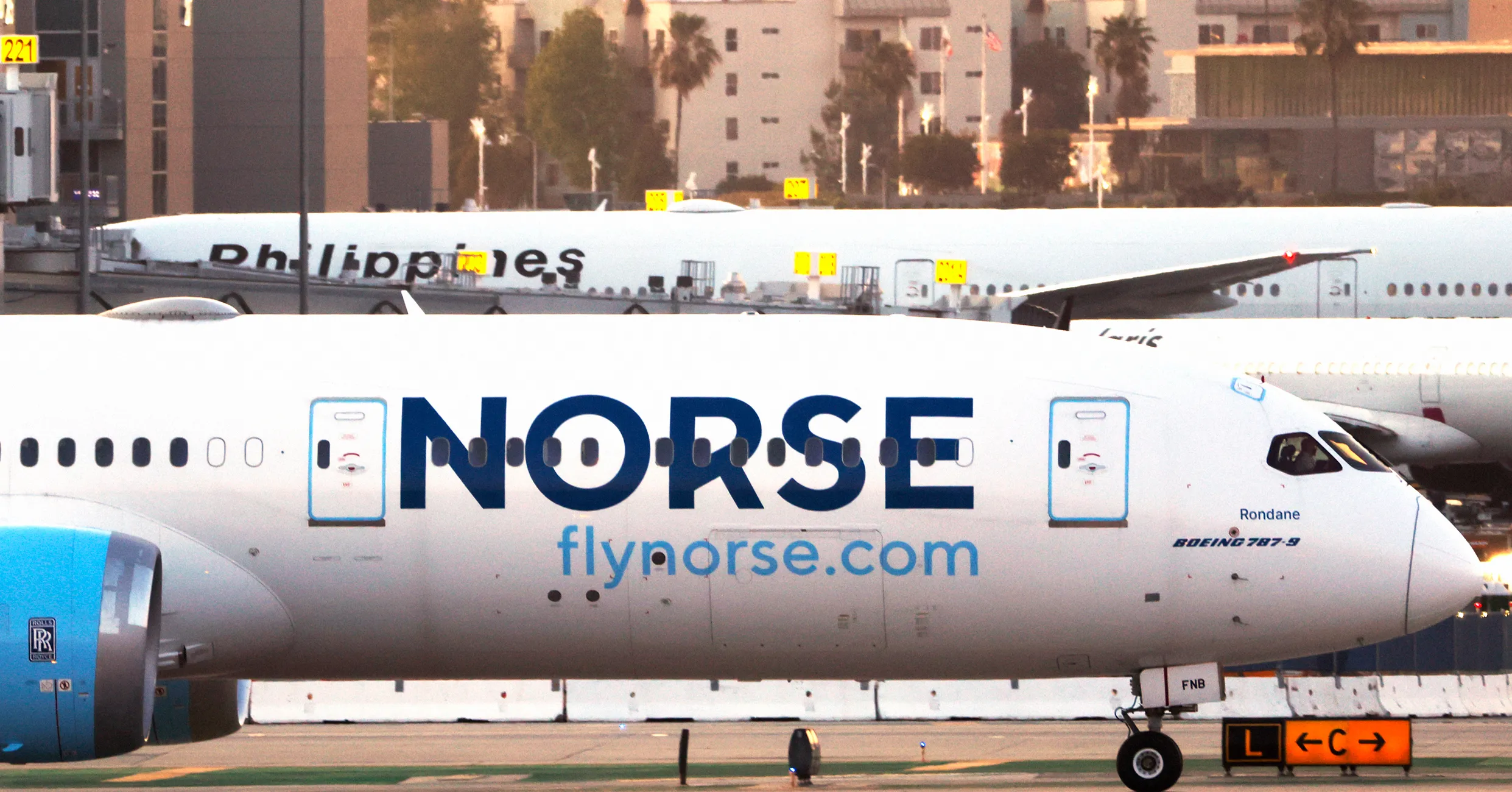
Norse Atlantic Airways is confronting intensifying regulatory pressure following dozens of complaints lodged with the US Federal Trade Commission (FTC). Passengers allege that the airline’s reliance on artificial intelligence for customer service, combined with the absence of a direct phone line, has created a vacuum exploited by fraudsters. The complaints detail significant financial losses, with many customers reporting that their attempts to secure refunds or modify bookings led them to fake support channels.
Data obtained through public records requests reveals the scale of the issue. Of 41 complainants who provided specific monetary figures, 21 reported losses exceeding $1,000. One case involved an elderly couple who surrendered credit card and partial social security details to a scammer posing as a Norse representative, resulting in a loss of $1,258.88. Another passenger was denied boarding in Rome due to the absence of airline staff, forcing them to purchase urgent alternative travel arrangements after failing to reach human support.
The airline’s customer service infrastructure has undergone rapid transformation. Norse previously utilised a chatbot developed by Kindly, known as Odin, before sunsetting the tool in January 2026. It was replaced by Freya, an AI agent developed by Delight.ai. The technology provider claims that Freya increased the airline’s no-human-intervention inquiry resolution rate from 60 per cent to 80 per cent within two weeks of its introduction. Norse’s chief product officer, Alf Lim, described the agent as a core part of the team, with human staff transitioning into roles as AI agent managers.
Norse Atlantic defends its operational model as a strategy to maintain low fares. Bård Nordhagen, the company’s chief customer and communications officer, stated that the technology allows the airline to manage 99 per cent of passenger inquiries while keeping costs down. The airline’s official website now features a prominent warning about online scams, acknowledging the widespread nature of the issue. However, Google searches for Norse’s contact details still return links to fraudulent sites, including fake listings on Yelp that direct users to scammers posing as representatives of other networks.
The financial strain on the carrier appears to be exacerbating these operational challenges. In early May, Norse announced a 35 per cent reduction in its administrative staff. During an earnings call shortly after, CEO Eivind Roald confirmed that the airline is considering opportunities for a sale or merger. Critics, including former FTC technologist Erie Meyer, argue that the airline’s approach has made customers vulnerable to exploitation. Meyer described the situation as egregious, noting that the lack of accessible human support effectively serves customers up to scammers.
