NHTSA reports detail Tesla Robotaxi teleoperator crashes in Austin
Newly released National Highway Traffic Safety Administration data exposes 17 incidents involving Tesla’s autonomous fleet, including two direct teleoperator errors, as the company cites safety as the primary constraint on network expansion.
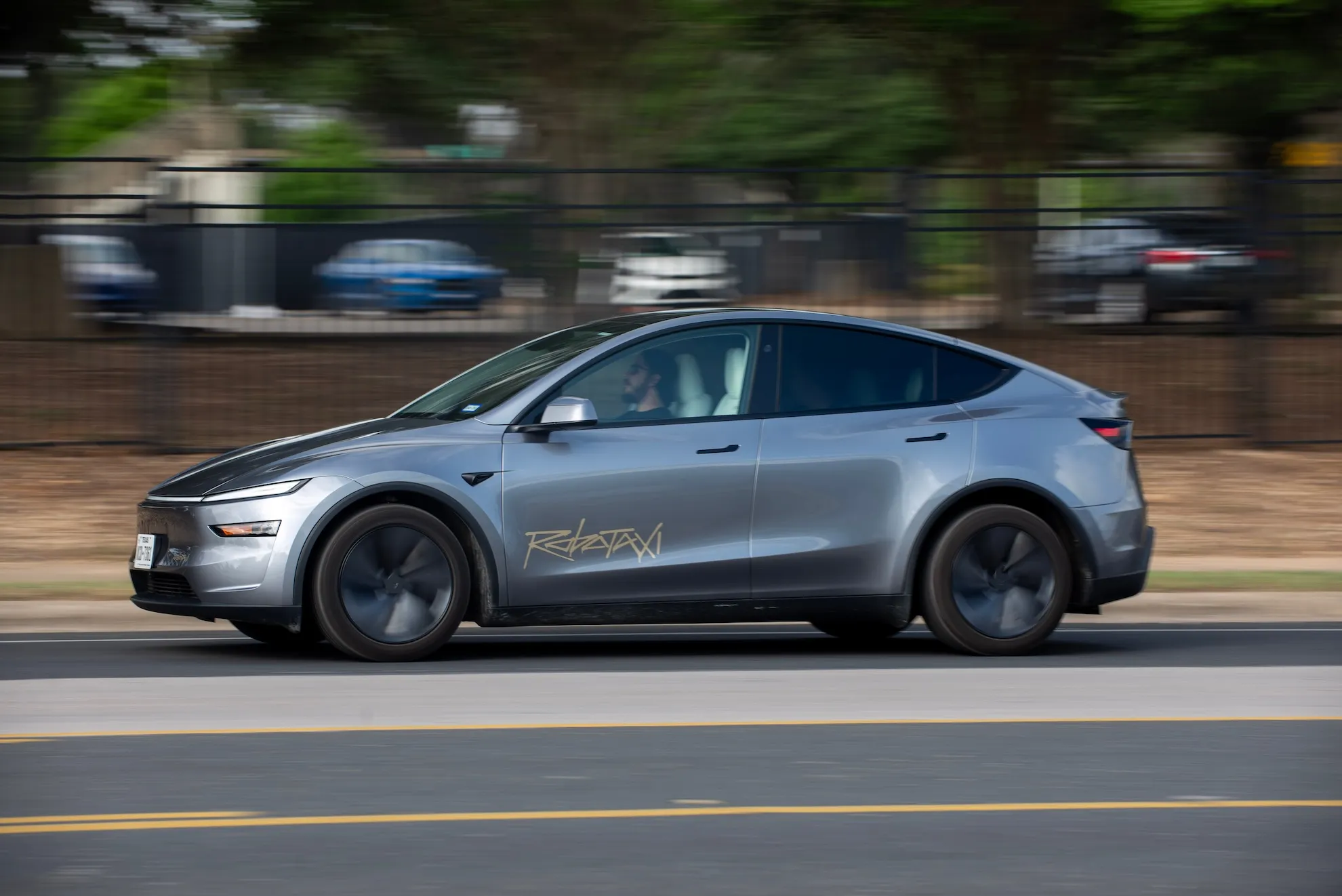
Unredacted reports from the National Highway Traffic Safety Administration (NHTSA) confirm that Tesla Robotaxis crashed at least twice between July 2025 and January 2026 while being remotely driven by teleoperators in Austin, Texas. Both incidents occurred at low speeds with a safety monitor present in the vehicle and no passengers onboard. The July 2025 crash involved a teleoperator driving the vehicle up a curb and into a metal fence, while the January 2026 incident resulted in contact with a construction barricade at approximately 9 miles per hour.
The data also details 15 other recorded crashes involving the vehicles, mostly involving the vehicles being struck by others or hitting stationary objects. Unlike most competitors, Tesla had previously redacted crash descriptions, claiming they were confidential business information. The latest NHTSA release provides narrative descriptions for all 17 crashes recorded since the network’s inception last year, offering a clearer view of the operational challenges facing the company.
In the July 2025 incident, the automated driving system struggled to move forward while stopped. A safety monitor requested remote assistance, and a teleoperator took control, turning the vehicle toward the left side of the street before driving up the curb and striking a metal fence. A similar sequence occurred in January 2026, where a teleoperator took over when the system was stopped, proceeding straight into a temporary construction barricade and scraping the front-left fender and tire.
Most of the other unredacted crashes involve Tesla Robotaxi vehicles being crashed into rather than causing the collisions. However, at least two incidents involved a Tesla Robotaxi clipping its mirrors on other vehicles. One September 2025 crash involved the automated driving system failing to avoid a dog that ran into the street, while another saw the vehicle make an unprotected left turn into a parking lot and hit a metal chain.
Tesla stated that remote teleoperation allows the company to promptly move vehicles in compromising positions, mitigating the need for manual recovery by first responders or field representatives. This capability was previously disclosed to lawmakers, with the company noting that remote operators can pilot vehicles as long as they stay under 10 miles per hour.
While other robotaxi companies such as Waymo and Zoox have reported more crashes than Tesla, the company is operating at a fraction of their scale. Elon Musk admitted last month that ensuring safety is the biggest limiting factor to expanding the network, stating the company is being "very cautious." NHTSA recently closed an investigation into Tesla's Full Self-Driving software crashing into parking lot bollards, chains, and gates, a problem also addressed in a Waymo recall last year.
