NFL owners’ playbook: From draft room oversight to total disengagement
While some chiefs act as de facto general managers, others maintain strict distance, with outcomes ranging from Super Bowl victories to multi-million dollar fines and public accountability for failed acquisitions.
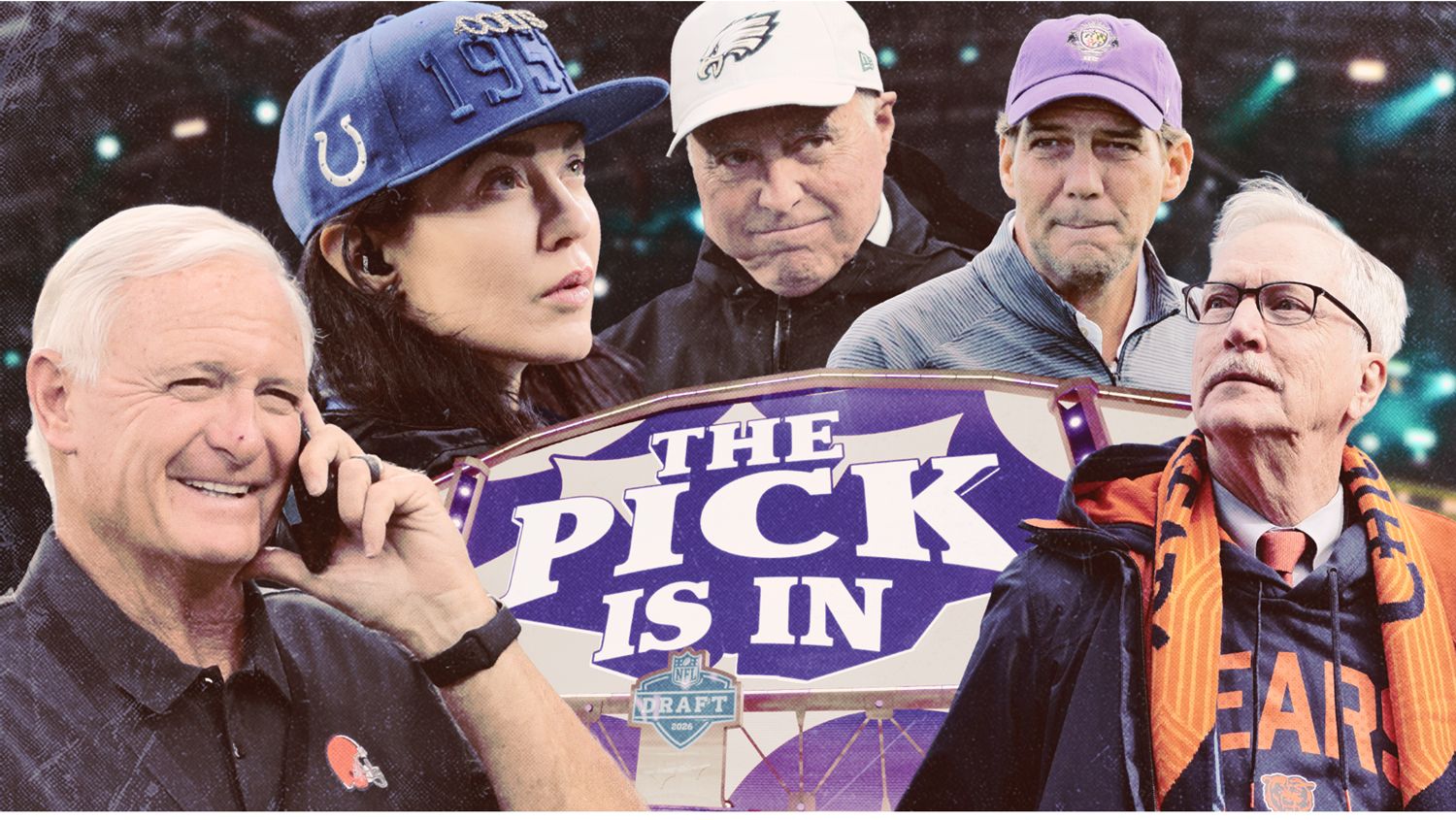
A recent ESPN report outlines the diverse approaches NFL owners take regarding football operations, ranging from direct general manager duties to total disengagement. The coverage contrasts recent 2024 draft activities, such as Baltimore Ravens owner Steve Bisciotti selecting Adam Randall and Chicago Bears chairman George McCaskey umpiring a high school baseball game, with historical precedents. It highlights successful interventions, including Kansas City Chiefs owner Clark Hunt’s approval of the Patrick Mahomes trade and Philadelphia Eagles owner Jeffrey Lurie’s influence on the Jalen Hurts selection. Conversely, it examines costly errors, such as Cleveland Browns owner Jimmy Haslam’s approval of the Deshaun Watson trade and New York Jets owner Woody Johnson’s acquisition of Tim Tebow. The report also notes Miami Dolphins owner Stephen Ross’s tampering fine and Washington Commanders owner Josh Harris’s policy of reviewing plans without interfering in specific personnel moves.
The spectrum of involvement is starkly illustrated by the 2024 NFL draft. Baltimore Ravens owner Steve Bisciotti personally selected running back Adam Randall with the 174th pick, a decision he made after initial doubts were assuaged by general manager Eric DeCosta. In contrast, Chicago Bears chairman George McCaskey spent the final day of the draft umpiring a high school baseball game in Illinois, receiving draft updates from the athletic director rather than being in the team's draft room. This disengagement stands in sharp contrast to the Dallas Cowboys, where owner Jerry Jones has served as general manager for 38 years, maintaining final authority over personnel decisions.
Historical data shows that owner intervention can yield significant returns or severe penalties. Kansas City Chiefs owner Clark Hunt approved the trade for Patrick Mahomes in 2017, sacrificing multiple first-round picks to secure a franchise quarterback who has since led the team to three Super Bowl victories. Similarly, Philadelphia Eagles owner Jeffrey Lurie was influential in selecting Jalen Hurts in 2020, a move that eventually ended the Carson Wentz era and resulted in an NFL title. These successes are juxtaposed against the Cleveland Browns, where owner Jimmy Haslam described the acquisition of Deshaun Watson as a "big swing-and-miss" in 2025, accepting accountability for the trade which he helped approve.
Financial and regulatory repercussions also underscore the risks of ownership overreach. Miami Dolphins owner Stephen Ross was fined $1.5 million and lost draft picks in 2022 for violating anti-tampering policies regarding Tom Brady and Sean Payton. In 2012, New York Jets owner Woody Johnson’s acquisition of Tim Tebow was highlighted, with Johnson’s subsequent comment that "you can never have too much Tebow" cited as emblematic of the failed experiment. These instances demonstrate that while owners may have the authority to intervene, the consequences of such actions are often permanent and costly.
Conversely, some owners are adopting a more structured, oversight-based approach. Washington Commanders owner Josh Harris maintains a policy of reviewing detailed plans and signing off on spending but does not interfere with specific personnel moves or sit in on final roster decisions. Meanwhile, Indianapolis Colts owner Carlie Irsay-Gordon is described as deeply involved, recently encouraging general manager Chris Ballard to proceed with the trade for cornerback Sauce Gardner. This variety of management styles suggests that there is no single correct model for ownership involvement in modern NFL football operations.