NFL 2026 Season: Strategic Shifts and Roster Overhauls Defined by Early Training Camp Insights
From the Seahawks’ offensive recalibration to the Bills’ defensive transition, the 2026 season promises significant tactical evolution rather than mere continuity.
The 2026 NFL training camp cycle has commenced, with ESPN reporters Jeremy Fowler, Dan Graziano, and Ben Solak conducting extensive tours across ten franchises to assess impending tactical shifts. The prevailing narrative across the league is one of structural adaptation, as teams move beyond the previous season’s outcomes to implement new coordinators, integrate high-profile acquisitions, and manage complex roster dynamics. The insights gathered from these camps highlight a league in transition, where institutional strategy is being rigorously tested against the realities of player availability and scheme implementation.
In Seattle, the Seahawks are undergoing a significant offensive recalibration under new coordinator Brian Fleury, who has imported elements from the San Francisco system. The installation has generated optimism within the building, with safety Julian Love noting that the new playcalling has effectively neutralised the defence’s pre-snap adjustments. The strategy relies heavily on motion and shifts, facilitated by tight end AJ Barner, while wide receiver Rashid Shaheed’s speed is expected to stretch the field. General Manager John Schneider has acknowledged the necessity of backfilling key positions after the previous Super Bowl run, prioritising immediate needs in the running back and defensive back fields despite limited draft capital.
The Buffalo Bills are executing a radical defensive transition under new coordinator Jim Leonhard, moving away from the static, zone-heavy schemes of his predecessor. Leonhard’s approach emphasises odd fronts and simulated pressures, requiring players like Ed Oliver and Greg Rousseau to adapt to new alignments. This shift is complemented by the addition of wide receiver DJ Moore, who brings downfield speed to an offence now led by head coach Joe Brady. The Bills are actively experimenting with their defensive depth, suggesting that the final roster composition will evolve significantly as the season progresses.
Quarterback competitions and offensive identity crises are central themes for several franchises. The Las Vegas Raiders are managing a deliberate transition between veteran Kirk Cousins and rookie Fernando Mendoza, prioritising offensive line development before fully committing to the rookie. Meanwhile, the Pittsburgh Steelers are cementing a run-heavy identity utilising Aaron Rodgers, relying on heavy personnel sets to establish play-action. In Philadelphia, the Eagles are integrating Jalen Hurts into a new under-center system, with coordinator Sean Mannion focusing on Hurts’ footwork and mobility to enhance the passing game’s efficiency.
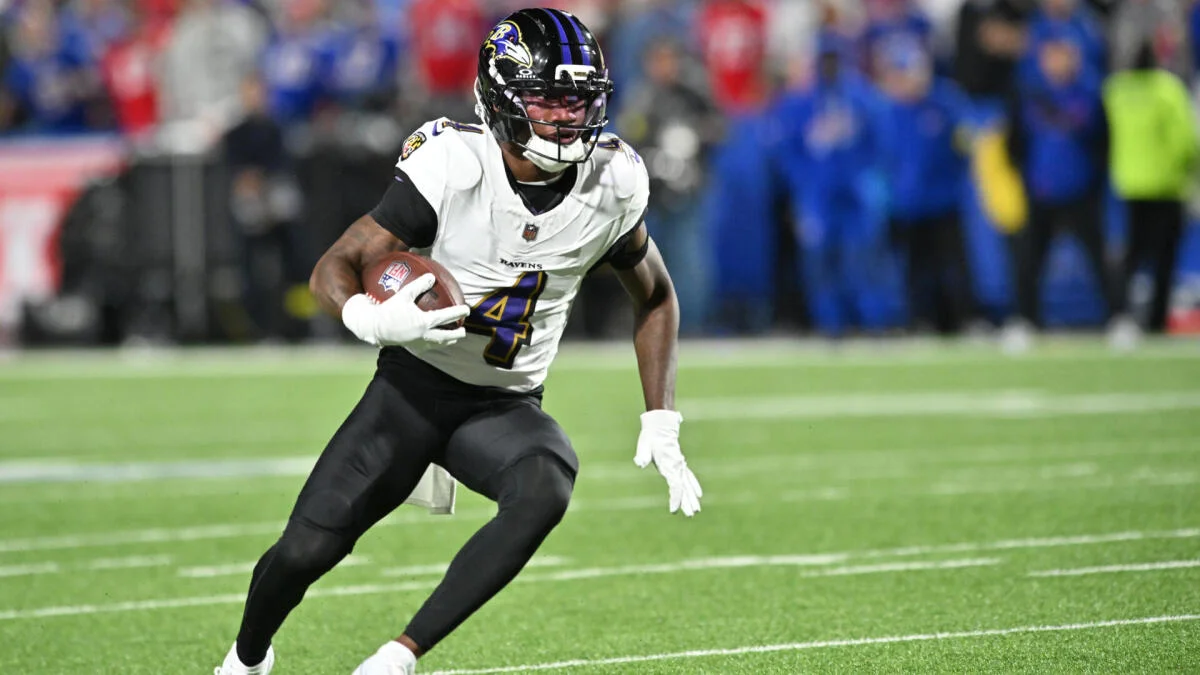
Roster construction and injury management are also dictating early-season strategies. The San Francisco 49ers are demonstrating resilience despite a rash of injuries to key veterans, with general manager John Lynch citing a strong locker room culture as the primary stabiliser. The addition of Mike Evans is viewed as a critical evolution to open up the run game for Christian McCaffrey. Conversely, the Cleveland Browns are rebuilding their offensive line from the ground up, while the Baltimore Ravens are integrating Lamar Jackson into a new scheme that seeks to maximise chunk plays and utilise a versatile three-safety defensive look.
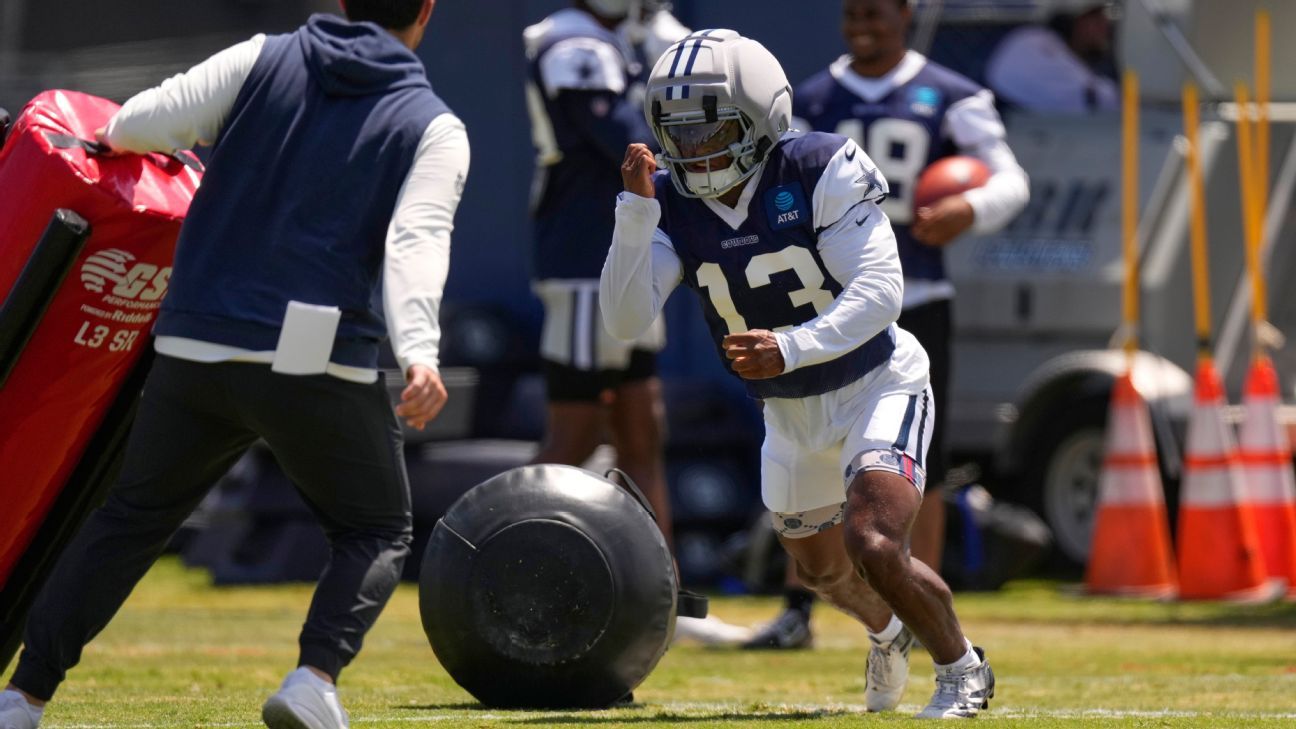
The Dallas Cowboys are placing immediate expectations on rookie safety Caleb Downs, who is expected to play a pivotal role in new defensive coordinator Christian Parker’s scheme. The Cowboys’ brass has expressed high confidence in Downs’ instinctive play, viewing him as a potential anchor for a defence that finished last in the league in EPA last season. This focus on youth and immediate impact is part of a broader strategy to correct the team’s defensive deficiencies and return to the postseason.
Finally, the Cincinnati Bengals are leveraging unprecedented offensive continuity, with head coach Zac Taylor and quarterback Joe Burrow benefiting from an improved offensive line. The focus has shifted from protection issues to expanding the running game and utilising quick-game elements more effectively. The return of all five starters from last season’s line has provided a foundation for Taylor to experiment with under-center formations and motion-heavy pre-snap operations, aiming to keep defences off-balance while maintaining the stability that has characterised their recent success.