New York Fed Report: Student Loan Delinquencies Rise as Household Debt Reaches $18.8 Trillion
A report released on 12 May 2026 details rising delinquency rates among borrowers, though analysts suggest limited spillover to broader credit markets.
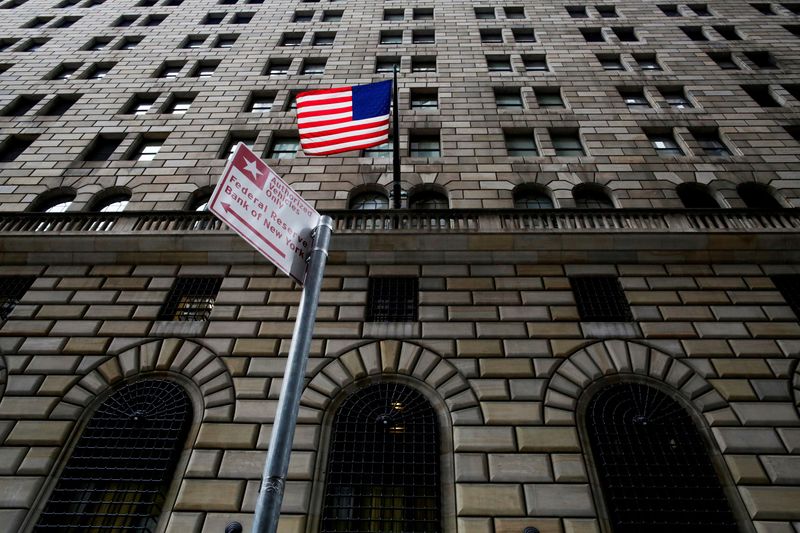
A New York Federal Reserve report released on 12 May 2026 indicates that while student loan delinquency rates rose slightly to 10.3 per cent in the first quarter, the flow of loans into serious trouble has moderated. The regional bank's analysis suggests that despite these challenges among student borrowers, the transmission of distress to the wider lending sector is likely to remain contained.
The data reveals a nuanced picture of consumer credit health, with the transmission rate of student loans shifting into serious delinquency standing at 10.9 per cent in the first quarter. This represents a decrease from the 16.2 per cent rate recorded in the fourth quarter of 2025. However, the overall delinquency rate for student loans, defined as those three months or more in trouble, climbed to 10.3 per cent from 9.6 per cent at the end of the previous year.
Consequently, approximately 2.6 million student loan borrowers who were 120 days or more behind on their repayments had their loans referred to the U.S. Department of Education's Default Resolution Group. New York Fed economists noted that while the usage of overall credit in the economy is relatively modest, borrowers exhibit very high delinquency rates across all credit products. This suggests that payment struggles extend beyond student loans and are likely to worsen when collection efforts resume.
Beyond the student loan sector, the report highlights that total household debt levels stood at $18.8 trillion in the first quarter, up $18 billion from the final three months of 2025. Mortgage balances increased to $13.2 trillion, while credit card debt fell $25 billion to $1.3 trillion during the period. Despite these shifts, researchers described overall debt management as being on a pretty stable footing, albeit with signs of weakness in the broader economy.
Contextual factors remain a concern for the outlook, particularly for lower-income households. Recent New York Fed research indicates that these groups are increasingly stressed by surging energy costs tied to the war in the Middle East, which has disrupted global supply chains. It remains unclear whether the relative calm in debt management will hold as consumers face these escalating price pressures.
The findings were released during a period marked by a stable job market and ongoing economic growth in the U.S. Nevertheless, the report underscores the need for continued monitoring of consumer behaviour as the government compels borrowers to repay loans again following a long break.