NBER study finds US cellphone bans had negligible impact on student test scores
Analysis of data from over 40,000 schools suggests bans may cause short-term disruption but offer little long-term benefit for attendance or attention.
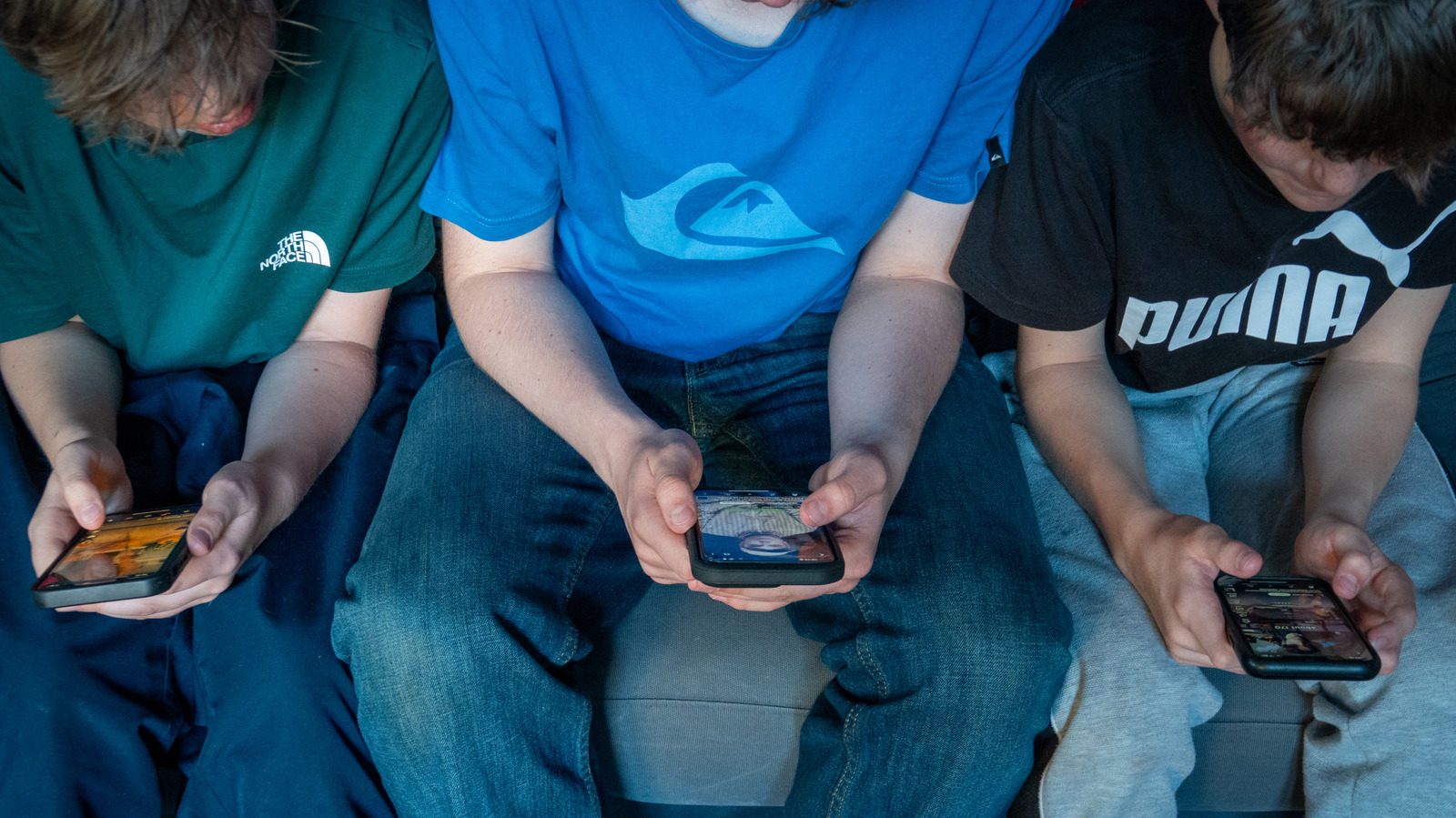
A comprehensive study by the National Bureau of Economic Research has concluded that bans on cellphones in US classrooms have had a consistently close to zero effect on student test scores. The findings, which challenge the view that such restrictions are a panacea for improving academic performance, are based on an analysis of data from more than 40,000 schools spanning the period between 2019 and 2026.
The research indicates that while the initial implementation of phone bans led to a temporary rise in disciplinary incidents and a short-term decline in student well-being, attributed largely to disruption, these negative effects were not sustained. Over the longer term, the data revealed that student well-being improved and disciplinary actions decreased, suggesting that the initial friction settles over time without yielding the expected academic gains.
Researchers reported little evidence that these bans influenced key metrics such as school attendance, self-reported classroom attention, or perceived levels of online bullying. This lack of correlation suggests that simply removing devices from the classroom does not automatically translate into better engagement or improved learning environments for the vast majority of students.
The study also noted that longer-term effects beyond the three-year observation window following the adoption of bans have not yet been observed. This limitation highlights the complexity of measuring the full impact of such policies, as the dataset does not extend far enough to capture potential shifts that might occur in later years of a student's education.
In related findings, a separate study from the UK indicated that cellphone bans did not impact overall screen time nor significantly affect student well-being. These supplementary results align with the US data, reinforcing the notion that the relationship between device restrictions and student outcomes is not as straightforward as previously assumed by school administrators and policymakers.
Despite these findings, international trends continue to favour stricter regulations. France recently implemented new school-wide smartphone restrictions that took effect in September, while South Korea introduced limitations for elementary and middle schools effective in 2026. The divergence between these policy moves and the emerging evidence from the National Bureau of Economic Research suggests a growing need for institutions to re-evaluate the efficacy of blanket device bans.
