National Geographic’s ‘Pompeii: Out of Time’ blends history and drama to humanise ancient tragedy
Executive producer Kevin Wright and geologist Chris Jackson discuss the production’s use of practical effects, scientific accuracy, and the ethical decision to withhold victim casts until the finale.
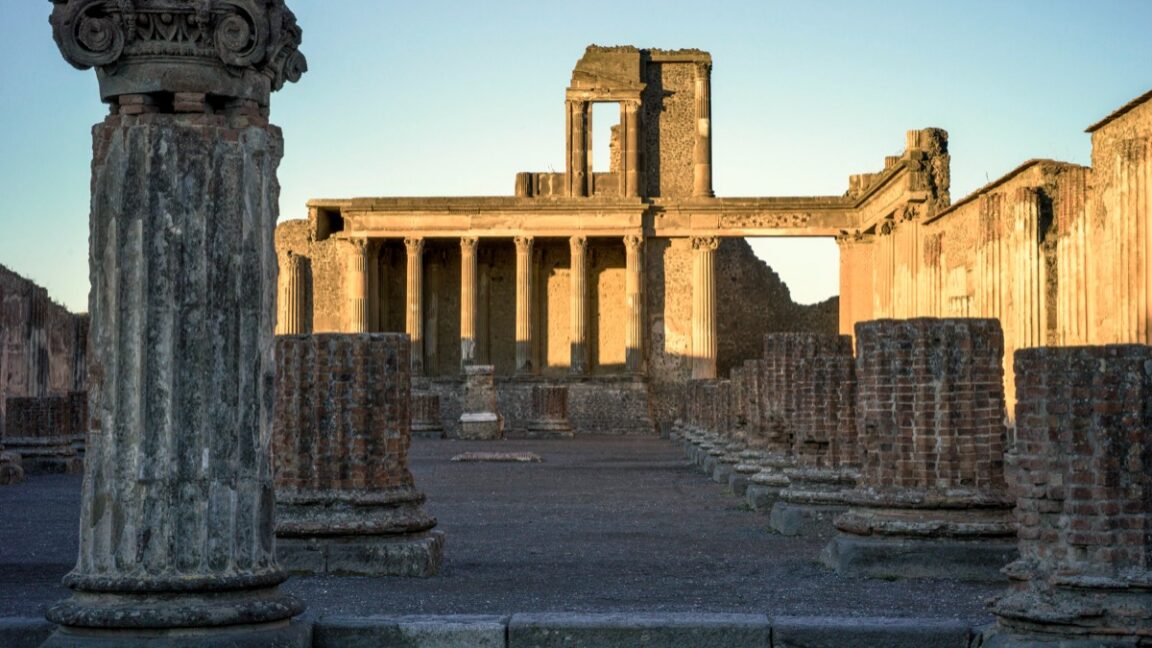
National Geographic has released a three-part docuseries titled 'Pompeii: Out of Time', which examines the final 24 hours before the eruption of Mount Vesuvius in 79 CE. Narrated by actor Tom Hiddleston, the series employs a method described by executive producer Kevin Wright as 'historia', blending factual history with scripted dramatic scenes to humanise the victims. The production utilises practical effects to depict pyroclastic flows and focuses on the potential survival stories of three individuals: a teenage boy, a local businesswoman, and a Praetorian guard.
The series premiered on July 21 on National Geographic and became available for streaming on Disney+ and Hulu from July 22. The project originated from Wright’s previous collaboration with Hiddleston on the Disney+ series 'Loki', which featured a scene where Hiddleston’s character visits Pompeii. Hiddleston, who studied classics at Cambridge University and visited the archaeological site as a teenager, serves as a guide through the city’s final day, aiming to interest audiences who might not typically watch historical documentaries.
Geologist and science communicator Chris Jackson appears in the series to clarify scientific misconceptions, specifically noting that victims were killed by pyroclastic flows moving at 100 to 200 kilometres per hour rather than lava. Jackson also explains that the eruption reshaped the Bay of Naples shoreline and triggered a small tsunami, though the bay’s distinctive shape is largely attributed to the Campi Flegrei supervolcano. The production kept a low footprint of approximately 10 people on set, using practical effects such as blowing newspaper to simulate falling ash.
The docuseries focuses on the potential survival of three specific individuals: a teenage boy, a local businesswoman, and a Praetorian guard. Actress Lubna Azabal, known for her role in Denis Villeneuve’s 'Incendies', plays the lead role of Julia Felix. The production values were kept relatively low-footprint despite high cinematic quality, utilising practical effects to depict the eruption's impact without relying solely on CGI.
The famous plaster casts of victims are withheld until the end of the series to reframe them as a grave site rather than tourist props. Wright stated that this deliberate choice was made to add power and respect back to the people represented by the casts, acknowledging that there are hundreds or thousands of stories beyond the three followed in the narrative. The approach merges imagination with fact to create a more human story, reflecting a movement in archaeology towards this form of storytelling.