NASA’s Deep Space Network survives Artemis II strain amid capacity crunch
Despite a critical antenna outage in California and competition from dozens of active missions, the Deep Space Network successfully supported the Artemis II crew, though long-term congestion requires new infrastructure.
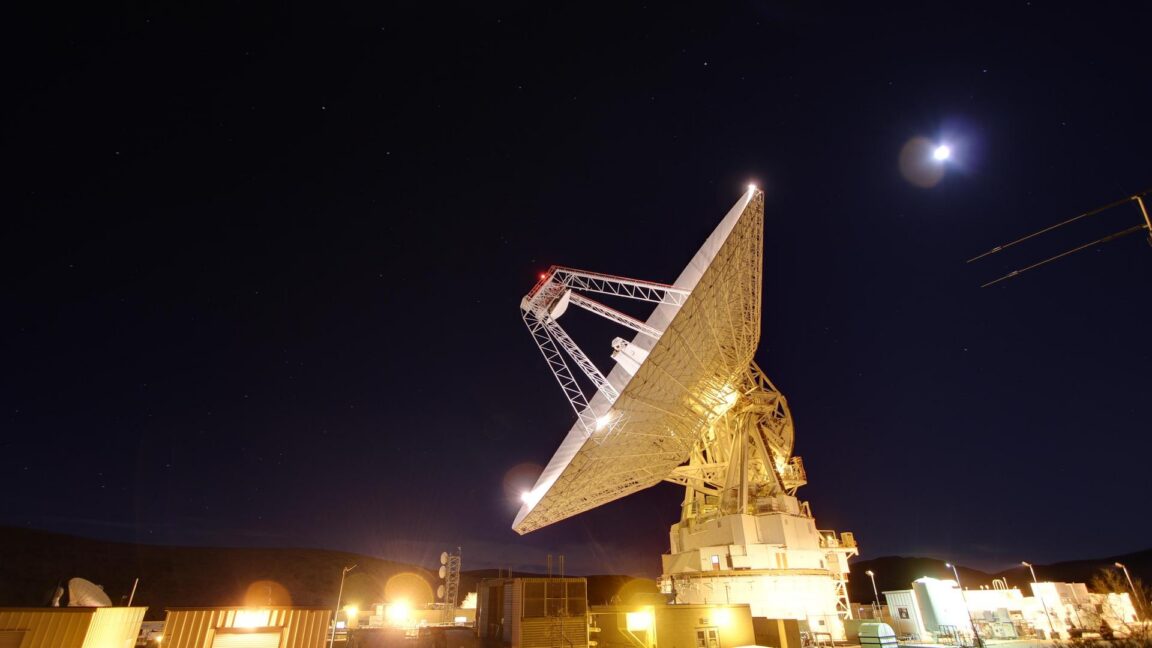
NASA’s Deep Space Network (DSN) successfully managed communications for the Artemis II mission, which launched on 1 April and lasted just over nine days. The global array of antennas supported the four-astronaut Orion crew despite significant capacity constraints and competition from other missions. Greg Heckler, deputy program manager for capability development in NASA’s Space Communications and Navigation Program, stated that the network "worked well" and that new coordination processes implemented after Artemis I were effective.
The Artemis II mission carried fewer CubeSats than Artemis I, reducing the tracking burden on the DSN. A subsystem called the Private Cloud Appliance (PCA), which failed during Artemis I, was replaced with a new subsystem ahead of Artemis II, funded by additional resources from the Moon to Mars program. NASA successfully tested a laser communications terminal on the Orion spacecraft during Artemis II.
The Nancy Grace Roman Space Telescope is scheduled for launch in August and is expected to return more data through the DSN than all of NASA’s previous astrophysics missions combined. One of the DSN’s three 70-metre antennas at the Goldstone Deep Space Communications Complex in California remains offline due to an accident in September last year, with repairs estimated to cost between $4.1 million and $4.6 million and completion expected by 2028.
NASA is working with commercial providers to construct Lunar Exploration Ground Sites (LEGS) and developing data relay satellites to alleviate future DSN congestion. Heckler noted that some missions are using more capacity than their paperwork indicates, prompting stricter feasibility studies for new commitments. The agency aims to balance legacy mission support with the high bandwidth requirements of upcoming lunar and deep space exploration efforts.
