NASA advances X-59 supersonic trials as FAA grounds SpaceX Starship
NASA’s X-59 is set for its first supersonic flight in early June, while the US Federal Aviation Administration has mandated a full investigation into the May 22 SpaceX Starship launch after a hard splashdown.
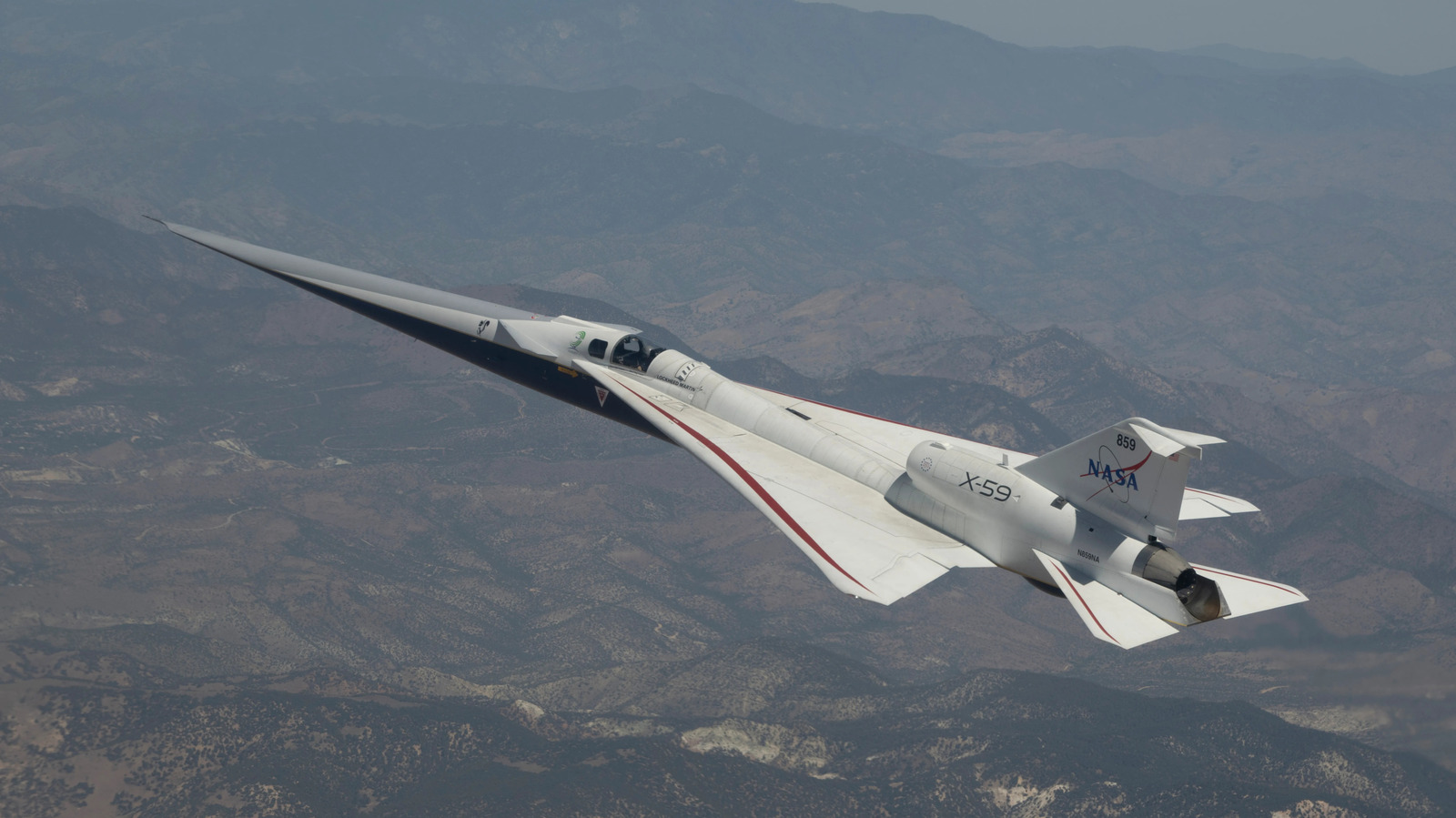
NASA has confirmed that its X-59 quiet supersonic research aircraft is prepared to commence its first supersonic flight in early June. The agency outlined a phased testing approach for the programme, which aims to demonstrate technology capable of reducing the sonic booms typically associated with supersonic travel. The initial supersonic mission will see the aircraft exceed 630 mph at an altitude of approximately 43,000 feet.
Subsequent tests will escalate the aircraft’s speed, with a mission conditions test planned to reach Mach 1.4, or 925 mph, at roughly 55,000 feet. The programme’s maximum speed target is Mach 1.6, equating to 1,218 mph at an altitude of 60,000 feet. During this current phase of testing, NASA stated that a traditional supersonic chase plane will accompany the X-59 to obscure any sonic booms produced by the research aircraft.
Concurrently, the US Federal Aviation Administration has ordered a pause on SpaceX Starship flights following a mishap during the May 22 test launch. The regulator classified the event as a mishap involving the Super Heavy booster, which failed to achieve a soft splashdown in the Gulf of America as intended. The FAA has mandated a full investigation before authorising a return to flight, confirming there were no reports of public injury or damage to public property.
SpaceX detailed the technical failure in a post-launch statement, explaining that after stage separation, the Super Heavy booster performed a directional flip and attempted a boostback burn. The company noted that the booster was unable to light all planned engines, resulting in a partial burn that ended early. Although the Super Heavy booster experienced a hard splashdown, the Starship upper stage completed its journey and splashed down safely in the Indian Ocean.
The FAA will oversee the SpaceX-led investigation and must approve the final report, including any corrective actions, before permitting further operations. The regulator emphasised that a return to flight is contingent upon determining that any system, process, or procedure related to the mishap does not affect public safety. This regulatory pause mirrors previous actions taken against the company, though the FAA recently cleared competitor Blue Origin to resume New Glenn rocket flights following a separate investigation.
