Musk v Altman trial closing arguments highlight public interest risks in OpenAI governance
As a federal jury deliberates whether Elon Musk will succeed in his claim that OpenAI and CEO Sam Altman abandoned the organisation’s founding nonprofit mission, the trial has exposed tensions between charitable intent and commercial ambition.
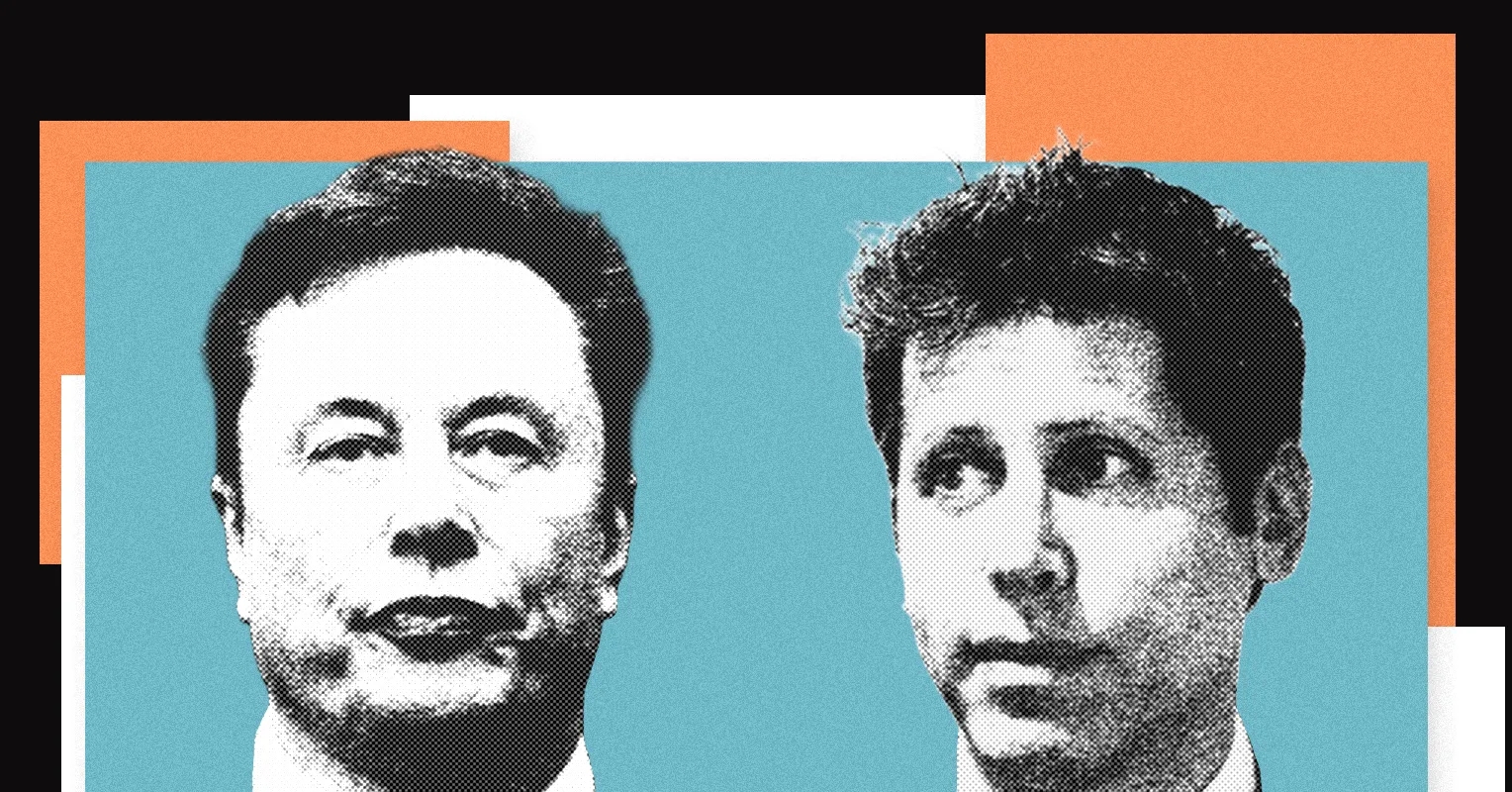
Attorneys delivered closing arguments on Thursday in the federal lawsuit between Elon Musk and OpenAI, led by CEO Sam Altman, regarding the organisation’s governance structure. A federal jury is now deciding whether Musk will succeed in his claim that OpenAI and Altman strayed from the founding nonprofit mission to pursue commercial goals. A judgement could be delivered as soon as next week, concluding a decade-long dispute between the two technology entrepreneurs.
The trial has highlighted concerns from employees, policymakers, and the public that the nonprofit structure was used strategically to secure funding and talent while pursuing commercial goals, potentially undermining the original charitable intent. Jill Horwitz, a Northwestern University law professor, stated that the public interest in the nonprofit is at risk regardless of the verdict, noting that neither party appears to be protecting it.
Daniel Kokotajlo, a former OpenAI researcher, filed an amicus brief arguing that the nonprofit structure was critical to his decision to join, and expressed concern that both Musk and Altman are racing to build superintelligence without adequate safeguards. Kokotajlo, who joined in 2022, was part of a group of former researchers opposing OpenAI’s for-profit conversion, arguing that the original structure was essential to their recruitment.
OpenAI’s lawyers, including Sarah Eddy, argued that the nonprofit’s $200 billion stake in the for-profit entity demonstrates mission fulfilment, and that the organisation would have collapsed without the additional funding required to compete with tech giants. Eddy stated it was uncontested among cofounders that the lab would need more capital than donations could provide, citing testimony that the mission was larger than its structure.
Evidence presented includes internal communications showing Musk and Altman initially agreed to a "startup-like" compensation structure and a shared goal of beating Google DeepMind, with Musk later suggesting OpenAI be folded into Tesla for "stealth advantage." Musk has accused Altman of using his initial $38 million investment to build an $850 billion company, while OpenAI argues Musk failed to prove he attached conditions limiting the money to charitable purposes.
OpenAI recently supported an Illinois bill aimed at helping AI labs dodge liability for societal disasters caused by their models, a move opposed by rival Anthropic. The trial has also brought to light allegations of negligence in separate lawsuits involving ChatGPT users, further complicating the organisation’s public image as it continues to pursue higher valuations alongside its charitable pretensions.