MIT lab’s data science behind World Cup offside calls and broader sports innovations
From correcting anatomically impossible skeletal data for FIFA to developing mental performance metrics for the NBA, the lab’s work ensures technology assists rather than replaces human officials.
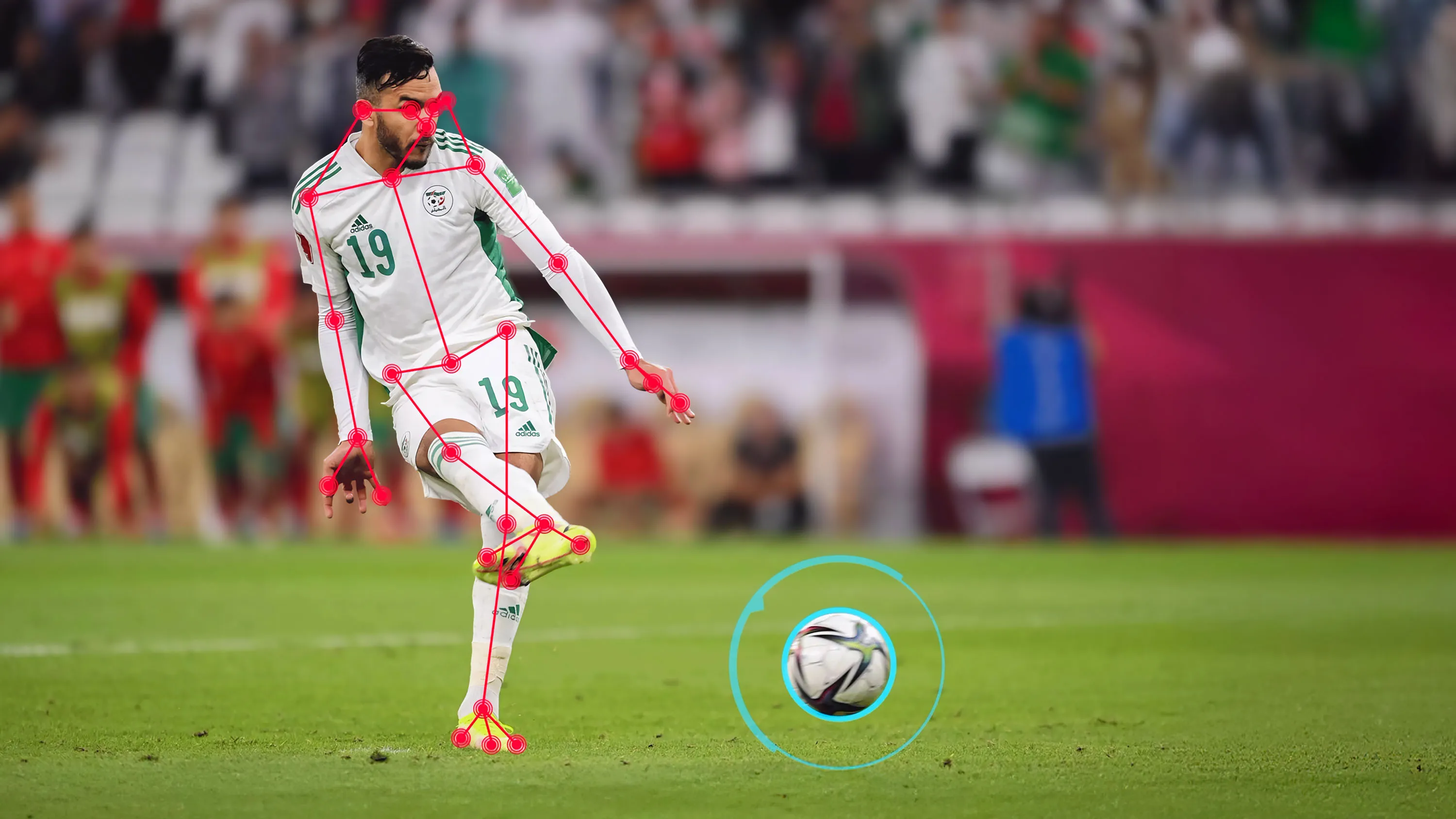
The MIT Sports Lab, established in 2015 by Anette Hosoi and Christina Chase, played a pivotal role in validating the semi-automated offside technology (SAOT) deployed during the 2022 FIFA World Cup. The lab addressed significant data integrity issues in skeletal tracking provided by third-party vendors, ensuring accurate offside calls during the Argentina versus France final. By identifying and correcting anatomically impossible skeletal data, such as skeletons appearing above or below the ground, the lab ensured the reliability of the system.
SAOT assisted in more than 150 offside calls during the tournament, overturning eight goals and adding two that were incorrectly disallowed. The lab developed a protocol to synchronise skeletal data with connected ball technology data, a critical step in ensuring reliable offside decisions. This collaboration allowed FIFA to implement the technology with confidence, marking a significant advancement in officiating accuracy for the sport.
Beyond soccer, the lab collaborates with the NBA, NFL, and Adidas on projects ranging from mental performance metrics in basketball to biomechanical modelling for 3D-printed running shoes. For the NBA, the lab created an 'expected action value' (EAV) metric to assess mental performance and decision-making, identifying 'missed opportunities' where players chose lower-probability plays. This data-driven approach helps teams evaluate the mental aspects of the game, which are often as crucial as physical performance.
The lab also analysed NFL stadium attendance data during the pandemic, finding no correlation between open stadiums and increased COVID-19 cases. This analysis influenced the league's decision to allow in-person attendance in 2021, demonstrating the lab's ability to provide evidence-based insights for major sports organisations. Additionally, the lab assisted Adidas in optimising 3D-printed midsole designs for running shoes using biomechanical models to predict gait response and minimise biological cost.
These diverse applications highlight the lab's broader impact on sports technology. By bridging the gap between academic research and industry needs, the MIT Sports Lab continues to shape how data and engineering solutions are integrated into professional sports. The lab's work ensures that technology serves as a tool to enhance human decision-making rather than replace it, maintaining the integrity and excitement of competitive sports.
