MagSafe and Qi2 converge at 25W as Android and Apple standards align
With the iPhone 17 and latest Android flagships supporting 25W magnetic charging, the technical distinction between Apple’s branded ecosystem and the universal standard has effectively vanished, leaving only branding and certification as differentiators.
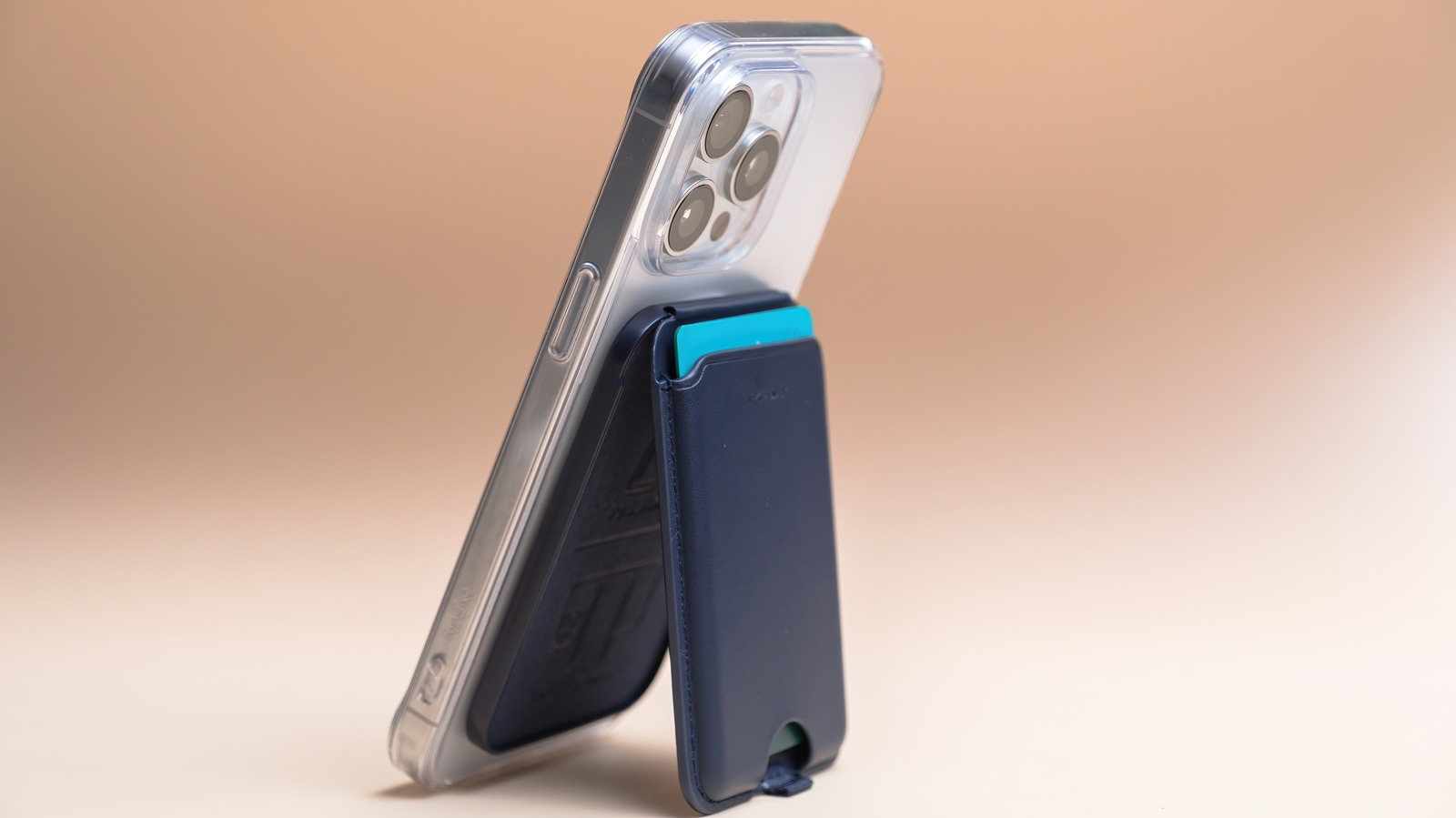
The technical divide between Apple’s MagSafe and the universal Qi2 wireless charging standard has effectively collapsed, with both protocols now delivering identical 25W charging speeds. According to an analysis by Engadget, the two systems are functionally identical, utilising the same stabilising magnet ring and Qi charging coils. This convergence marks a significant shift in the mobile accessory market, where Apple’s proprietary technology, originally introduced on the iPhone 12 in 2020, has become the foundation for the industry-wide Qi2 specification established by the Wireless Power Consortium (WPC) in 2023.
While MagSafe remains a branded Apple standard requiring specific certification, Qi2 serves as the universal alternative. The two are fully interoperable, allowing Qi2 accessories to snap onto MagSafe-equipped iPhones and vice versa, provided physical dimensions do not interfere. This compatibility extends to the latest hardware, with the iPhone 17 and iPhone 17 Pro supporting 25W charging over the newest MagSafe revision. Similarly, the latest Qi2.2 standard supports 25W speeds on devices including the Google Pixel 10 Pro XL and the Samsung Galaxy S26 Ultra.
Adoption strategies among Android manufacturers have diverged, though the underlying technology remains consistent. Google has integrated Qi2 directly into its hardware through the PixelSnap ecosystem on the Pixel 10. In contrast, Samsung has taken a more accessory-centric approach. During the launch of the Galaxy Z Fold 8, the company reiterated its position that users do not require on-device Qi2 integration, suggesting instead that consumers can achieve compatibility by purchasing phone cases equipped with Qi2 magnets.
The evolution from legacy wireless charging highlights the efficiency gains provided by magnetic alignment. Prior to MagSafe, non-stabilised Qi charging was limited to 7.5W due to misalignment issues between the phone’s coil and the charging pad. Apple’s introduction of the stabilising magnet ring on the iPhone 12 doubled that speed to 15W, a move that spurred the creation of a new accessory category and eventually led to the donation of the technology to the WPC.
Investors and consumers are now advised to prioritise wattage ratings over branding when evaluating magnetic chargers. With both standards supporting 25W, the critical factor is ensuring the charger is rated for that speed rather than relying solely on MagSafe or Qi2 labels. As the market matures, the distinction between the two standards is increasingly a matter of corporate branding and certification rather than technical performance.