Madrid's Carabanchel district transforms into a creative hub as city centre gentrification drives artists and creatives to the outer barrios
Rising rents in the city centre have pushed the creative class across the River Manzanares, turning former factories into studios and galleries while long-term residents resist the new 'Soho' label
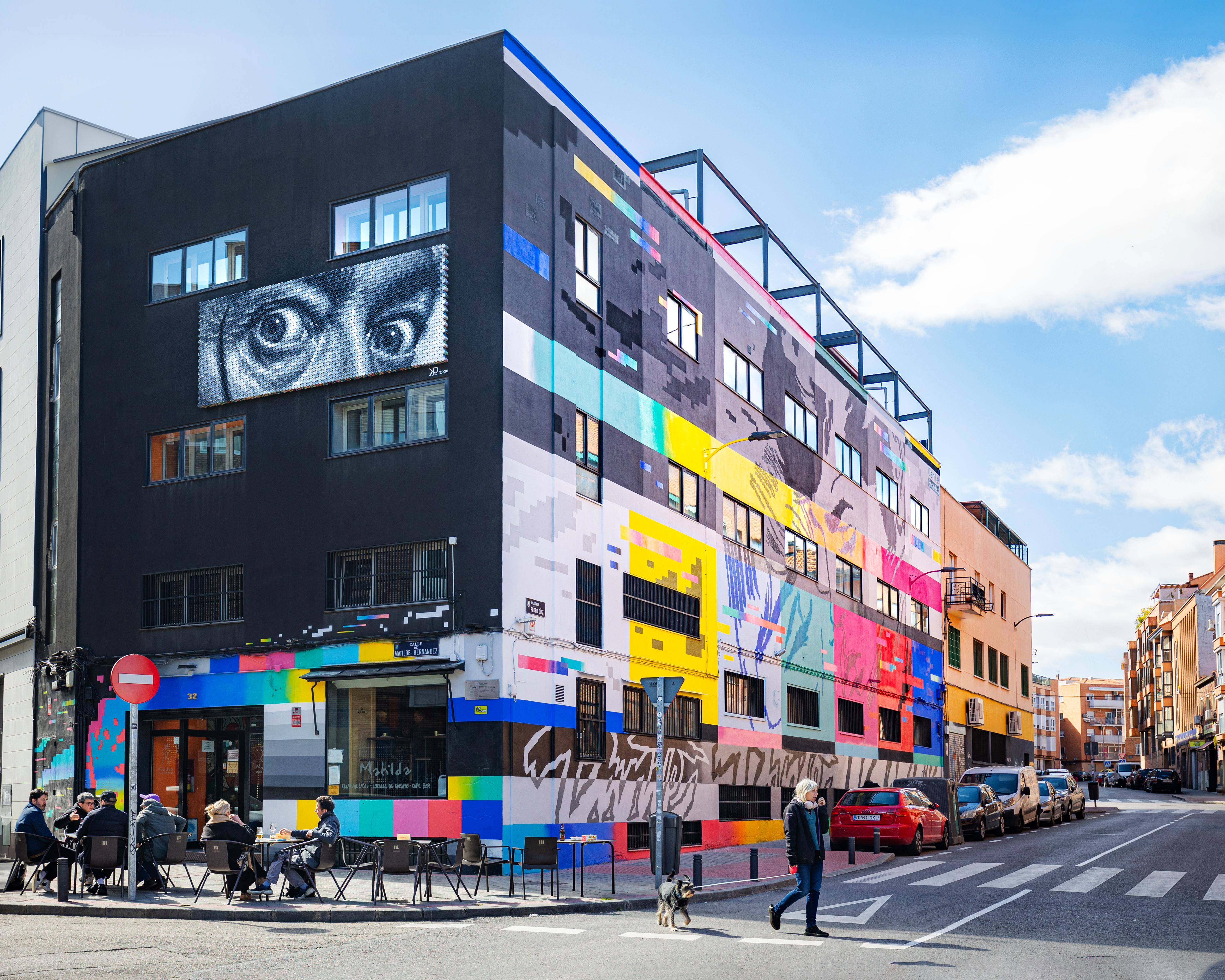
Madrid's current boomtown dynamics are driving the city centre way upmarket, pushing the average punter and the creative class alike to outer barrios in search of cheaper rent. As seen in New York and elsewhere, this migration has crossed the River Manzanares, leading to a cultural renaissance in Carabanchel where the city's most populous district is being reshaped by a new generation of artists.
Former factories and metalworks have been converted into studios, galleries, and music venues, creating a space where old and new Madrid coexist in a certain harmony. Coffee roasters and bistros slot in beside weathered blue-collar tapas bars and Colombian or Peruvian cantinas, yet the neighbourhood still feels a bit like an independent republic distinct from the upmarket centre.
The area, which was once a separate municipality annexed to the capital in 1948 to house the postwar influx from the provinces and Latin America, now hosts a mix of international art and DIY music scenes. Long-term residents express pride or resistance to the area's 'coolness' narrative, with one popular slogan reading: "This is not Soho. This is Carabanchel."
The district's focal point is La Capa, a defunct 1960s cafe revived by three local men who gave the original interior a good scrub and upgraded the kitchen to serve exemplary dishes such as chicken escalope with red pepper confit. Nearby, three actors have repurposed an old corner shop as a small, bright bar called Merinas, featuring walls hung with caricatures of famous film directors and a palm-shaded patio that creates a beach-like feel in a landlocked city.
Sabrina Amrani recalls the opening night of her new Carabanchel gallery in 2019, when one guest almost cried while telling her that she had changed the map of Madrid by bringing art across the river. While Amrani converted a car workshop into a showroom for work by international talents, native street artist Sfhir made space for more than 200 painters, muralists and sculptors in a nearby underground garage now called 95 Gallery.
Carabanchel has its own punky, DIY music scene, too, packed around a cluster of low-cost recording studios and rehearsal rooms, with raucous gigs at Gruta 77, battles of the bands at Madreams, and after-hours DJ sets at industrial complex turned arts hub CasaBanchel. At Planeta Ganga, retired film producer María Arellano draws on her contacts in wardrobe departments to source and sell outfits seen in Spanish films and TV shows such as Elite, with a big cut going to an orthopaedic charity for kids.
Far removed from the city's historic core, Carabanchel retains its own architectural legacy, from the modernist turrets and chalets of an early 20th-century writers' colony to the medieval brickwork hermitage of Santa María La Antigua. Cielo Studios offers stylish modern guest apartments from €80, with a rooftop garden and lounge overlooking the surrounding block of bars and galleries, cementing the district's status as a vibrant, affordable alternative to the capital's centre.