Lux Optics releases Halide Mark III with third-party RAW support and film simulations
The latest iteration of the popular photography tool introduces five film looks co-developed with a Hollywood colourist, a redesigned interface, and beta-level support for RAW files from major camera manufacturers.
Lux Optics has officially released Halide Mark III for iPhones and iPads running iOS 18 or later, marking the latest evolution of its professional-grade camera application. Following an initial announcement in December 2024, the update introduces a suite of new features aimed at both mobile photographers and those importing images from dedicated hardware. The app is available via the App Store for a one-time purchase of $59.99 or an annual subscription of $19.99, with existing Halide Mark II users receiving a free upgrade.
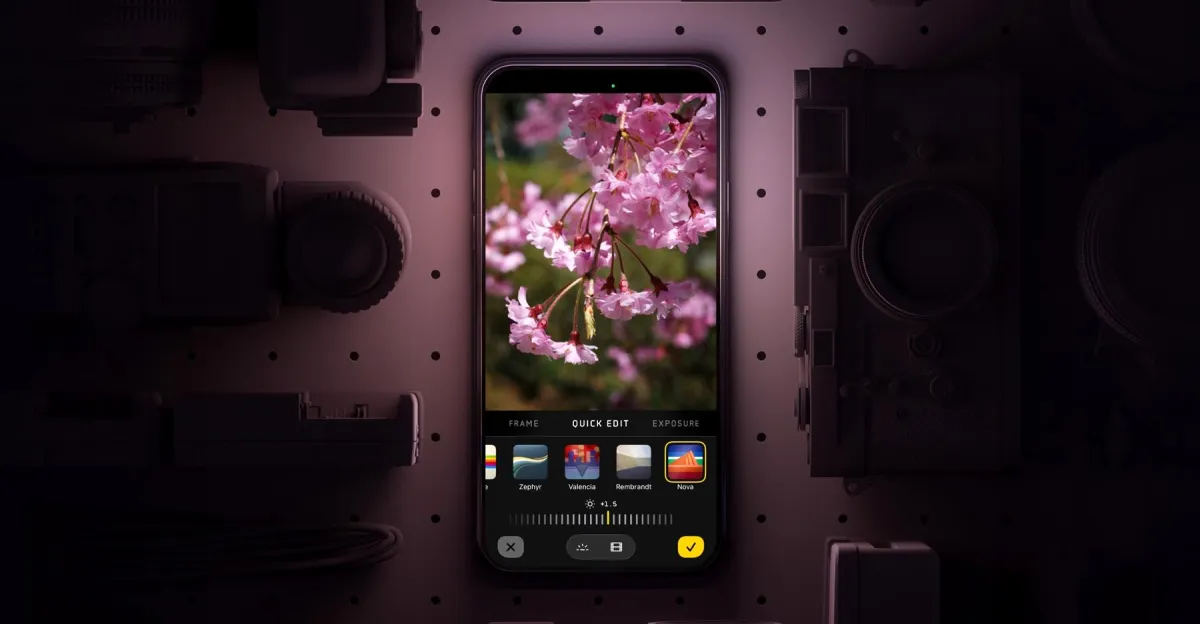
A central focus of the new release is a film simulation engine featuring five distinct looks co-developed with Hollywood colourist Cullen Kelly. These presets are tailored for specific photographic genres, including landscapes, portraits, and cityscapes, alongside a black-and-white option that incorporates additional film grain. The integration of these cinematic colour profiles allows users to apply professional-grade aesthetics directly at the point of capture or during post-processing.
The update also brings significant changes to the application’s workflow through a redesigned interface and an enhanced photo editor known as Photo Lab. Lux Optics describes the editor as streamlined, offering a Quick Edit section for applying looks, toggling high dynamic range (HDR), and adjusting exposure. Advanced controls remain accessible for detailed adjustments, including cropping, aspect ratio modifications, white balance, and a Tone Fusion tool designed to recover details in shadows and highlights.
In a notable expansion of capability, Halide Mark III can now process RAW files imported from third-party cameras, including models from Sony, Nikon, Canon, Fujifilm, Hasselblad, and Leica. This feature addresses a long-standing demand for cross-platform compatibility, allowing users to edit high-fidelity images from external devices within the iOS ecosystem. However, Lux Optics has classified this functionality as a beta feature, suggesting that stability and compatibility may vary across different camera formats.
The interface overhaul includes a restructured menu system that keeps critical controls prominent while moving advanced options to an iOS three-dot menu. Recognising that user preferences vary, Lux Optics has retained the option for existing users to revert to the Halide Mark II interface if they prefer the previous layout. While the app is compatible with iPads, the company notes that the larger screen real estate may particularly benefit the new editing features, despite the tablet’s typically limited camera hardware compared to iPhones.
