Lucid Motors denies bankruptcy rumours as stock recovers from 50% plunge
Shares rebounded to $4.72 after a report citing unnamed sources triggered the biggest intra-day drop in the company’s history, prompting a sharp rebuttal from management.
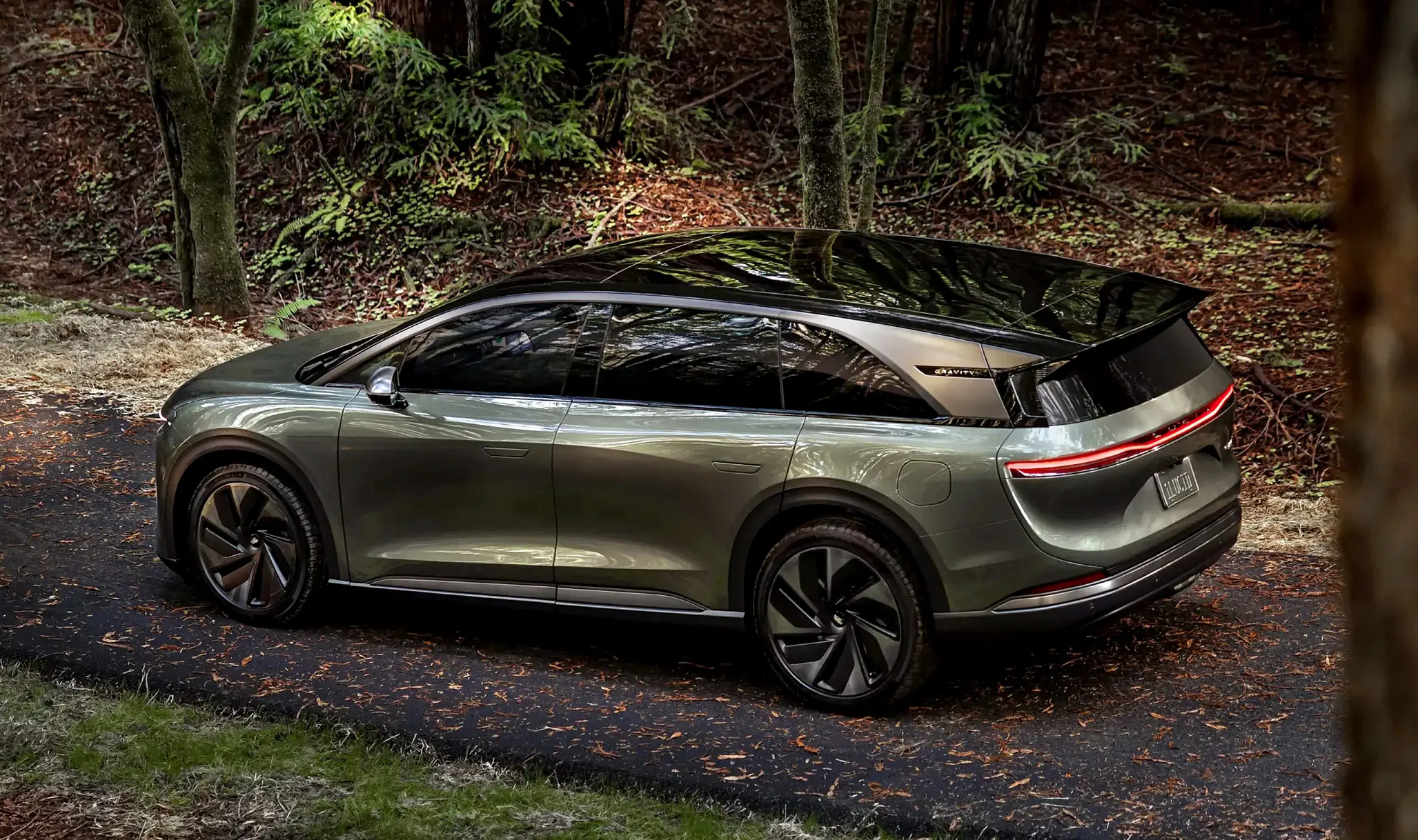
Lucid Motors has firmly rejected reports suggesting the electric vehicle manufacturer is considering filing for Chapter 11 bankruptcy protection or going private. The denial followed a surge in market volatility that saw the company’s shares plummet by more than 50% in a single trading session, marking its largest intra-day drop ever. Chief Communications Officer Nick Twork described the circulating rumours as "completely false," asserting that the company maintains sufficient liquidity to sustain operations well into next year.
Twork clarified that the company has not established a special board committee to explore the scenarios reported by media outlets. He emphasised that the firm’s consulting partner, AlixPartners, is engaged solely to assist with operational strengthening and has not recommended bankruptcy to management or the board. This clarification comes as the stock recovered from its initial free fall, trading at $4.72 per share by late afternoon, representing a decline of approximately 14% from its opening price.
The market turmoil was triggered by a report from an electric vehicle blog citing two unnamed sources who claimed the company was weighing insolvency or a privatization deal on the advice of AlixPartners. The consulting firm has previously worked with other struggling electric vehicle startups, including Lordstown Motors in 2021 and Faraday Future in 2022. While Lordstown Motors eventually partnered with Foxconn before collapsing, and Faraday Future engaged the firm following an internal probe, Lucid maintains its current engagement is strictly focused on execution and innovation.
Amid the financial uncertainty, Lucid has undertaken significant restructuring efforts, including the appointment of a new chief executive and the layoff of more than 2,000 employees this year. The company also announced the elimination of a second production shift at its Arizona factory to align production plans with anticipated demand. These measures precede the expected launch of a smaller, more affordable electric SUV later this year, as the company attempts to broaden its appeal beyond its luxury segment.
Delivery figures released earlier this month showed Lucid shipped 3,953 vehicles in the second quarter, a marginal increase from the same period last year. Despite the technological specifications of its luxury vehicles, the company has historically struggled to secure consistent buyer demand. Looking ahead, Lucid is also pursuing a luxury robotaxi service by the end of the year in partnership with Uber and Nuro, with Uber committing to purchase at least 35,000 Nuro-equipped vehicles, including 10,000 Gravity SUVs and 25,000 units based on an upcoming midsize platform.