Lucid Denies Bankruptcy Speculation as Shares Stabilise Above Penny Stock Threshold
Shares rebound from all-time lows following Chapter 11 rumours, but market capitalisation remains under $2 billion amid inventory bloat and legal challenges.
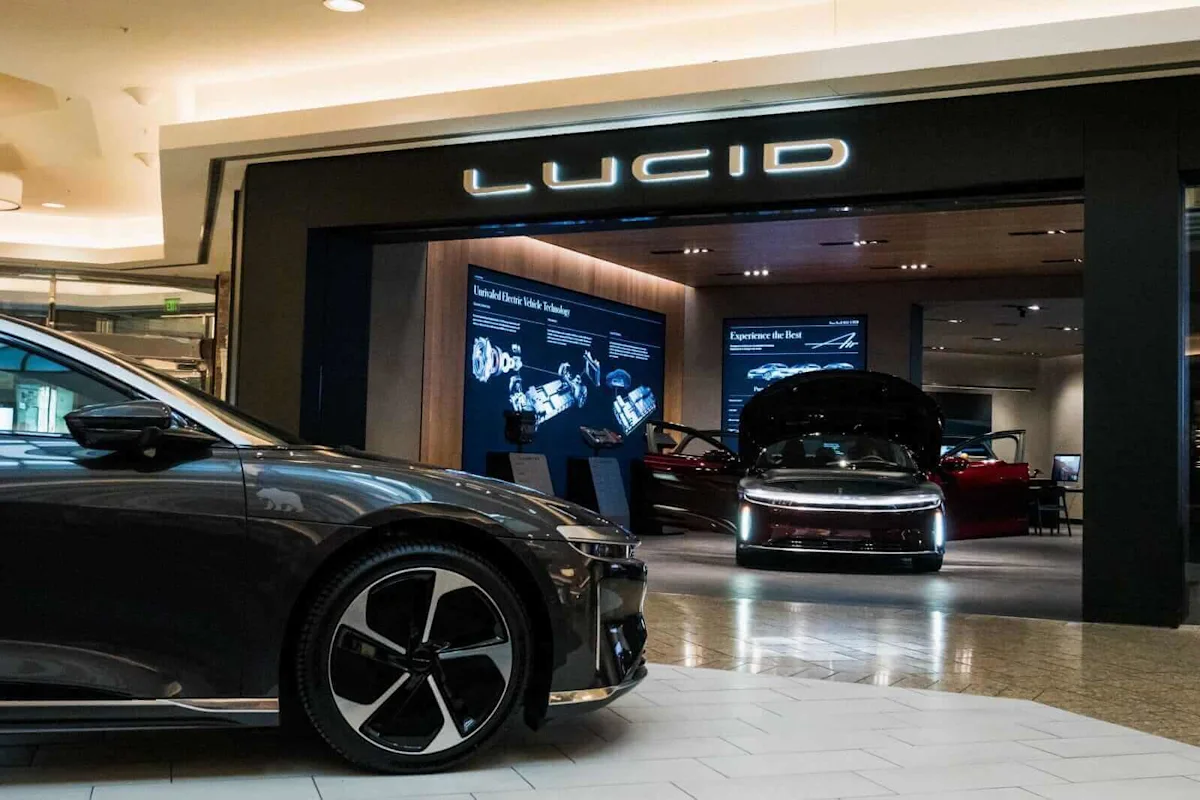
Lucid Group has categorically denied reports that it is considering going private or filing for Chapter 11 bankruptcy, following a period of intense volatility on July 14, 2026. The denial came after shares plummeted to an all-time low of $2.37, a level that would have triggered SEC classification as a penny stock had the company not executed a 1-for-10 reverse stock split scheduled for August 29, 2025.
Despite the company’s insistence that no restructuring is underway, the market reaction was initially severe, with the stock closing below $5 after falling more than 16 per cent. Subsequent trading saw a recovery of approximately 20 per cent, lifting the share price to around $5.50. However, the company’s market capitalisation remains firmly below $2 billion, a stark contrast to its near $100 billion valuation at the height of the electric vehicle market euphoria in 2021.
The financial strain on Lucid is evident in its consistent losses, with the company closing in the red every year since its public listing. Major investor Saudi Arabia’s Public Investment Fund (PIF) continues to provide critical support, having participated in all capital raises and opened a credit line for the cash-burning enterprise. The PIF, which first invested in Lucid in 2018, has also agreed to purchase up to 100,000 vehicles, a volume four times greater than the lower end of Lucid’s withdrawn 2026 production guidance.
Operational challenges persist alongside financial pressures. Lucid is currently facing a lawsuit alleging it concealed a supplier issue that halted deliveries of its Gravity SUV for 29 days during the first quarter of 2026. The company has also struggled with tepid sales, bloated inventory, and recurring quality and software issues, forcing a new C-suite leadership team to place its hopes on an upcoming midsize platform.
While the PIF’s backing has ensured Lucid’s survival compared to other EV startups, the broader industry remains fraught with difficulty. With a flurry of low-cost models expected to enter the market over the next two years, analysts and investors remain cautious. The combination of legal liabilities, execution risks, and intense competition suggests that the recent stock rebound may not be sufficient to overcome the fundamental uncertainties facing the manufacturer.