Lightning halts France-Iraq World Cup clash as Fifa weather protocol activated
Fifa’s strict adherence to National Oceanic and Atmospheric Administration rules delays the group-stage match, raising concerns about synchronised kick-offs and potential match abandonments during peak storm season.
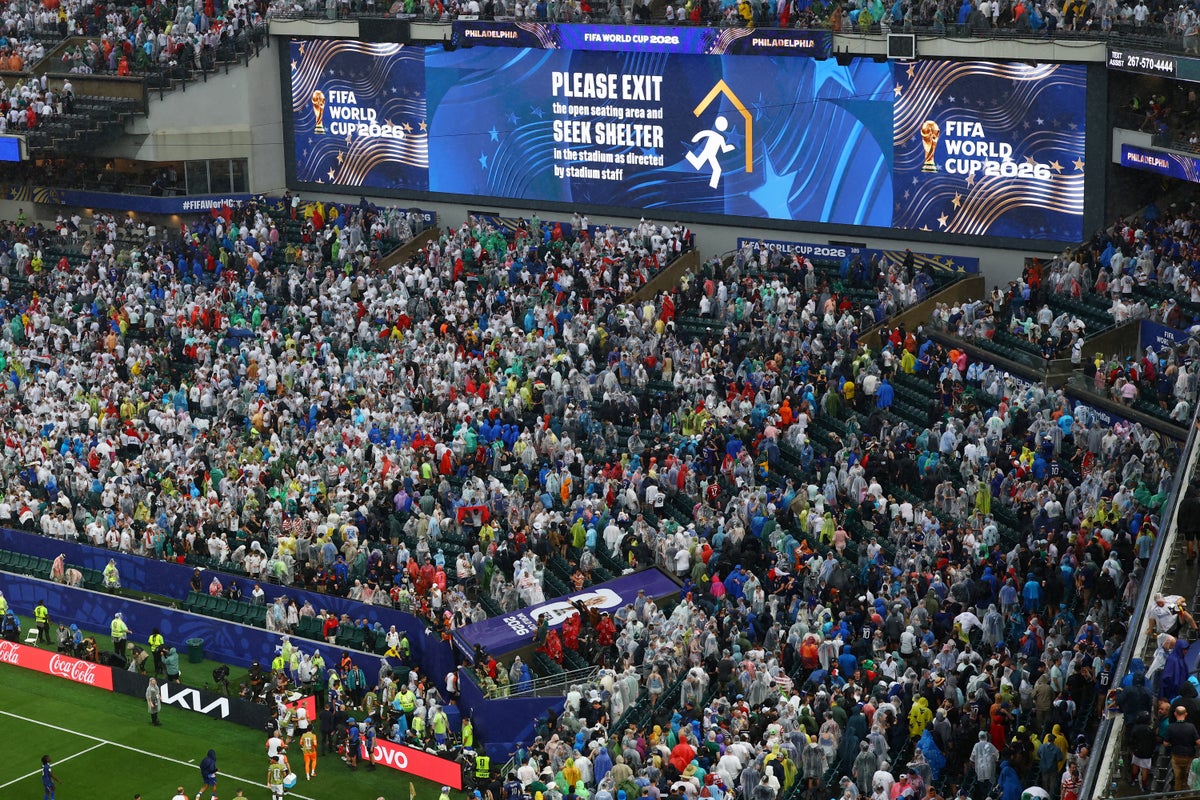
France’s group-stage encounter against Iraq was suspended mid-match at Lincoln Financial Field in Philadelphia after lightning was detected within eight miles of the stadium. The incident triggered Fifa’s World Cup 2026 weather protocol, forcing players and spectators indoors as heavy rain preceded the electrical storm. The delay highlights the operational complexities of hosting the tournament across the United States, Canada, and Mexico during peak storm season.
Under regulations set by local authorities, specifically the National Oceanic and Atmospheric Administration (NOAA), play must cease if lightning is detected within an eight-mile radius of a venue. This mandate initiates a 15-minute countdown that resets with each new strike. Once the timer elapses, players are permitted a 15-minute warm-up before resuming play. The restart for the France-Iraq fixture was pushed back beyond the standard 30-minute minimum due to continued lightning activity in the area.
The disruption follows a pattern of weather-related interruptions seen in recent football events. England’s friendly match against Costa Rica in Orlando was delayed by an hour due to heavy rain and lightning threats, while six matches at last year’s FIFA Club World Cup in the United States were halted by severe weather. One such fixture, involving Chelsea and Benfica, took over four hours to complete due to electrical storms.
Stadiums located in the Gulf Coast and south-eastern United States are identified as the most susceptible to thunderstorm threats. Fifa has stated it will address each match on a case-by-case basis if play is halted. The potential for significant delays is particularly acute during the final round of group-stage games, where synchronised kick-off times are designed to prevent competitive advantages based on prior match results.
Should conditions become sufficiently dangerous to force an abandonment, World Cup regulations stipulate that the match will be replayed from the point of interruption on a future date. This provision ensures that the remaining minutes are played, although the logistical implications for tournament scheduling and group standings remain a concern for organisers.