Light ships minimalist Flip phone at $299, targeting distraction-free market
The San Francisco-based hardware maker Light has begun shipping the Light Flip, a clamshell device designed to appeal to users seeking to reduce smartphone dependency. Priced significantly lower than its predecessor, the phone lacks NFC and touch capabilities, focusing on core communication functions.
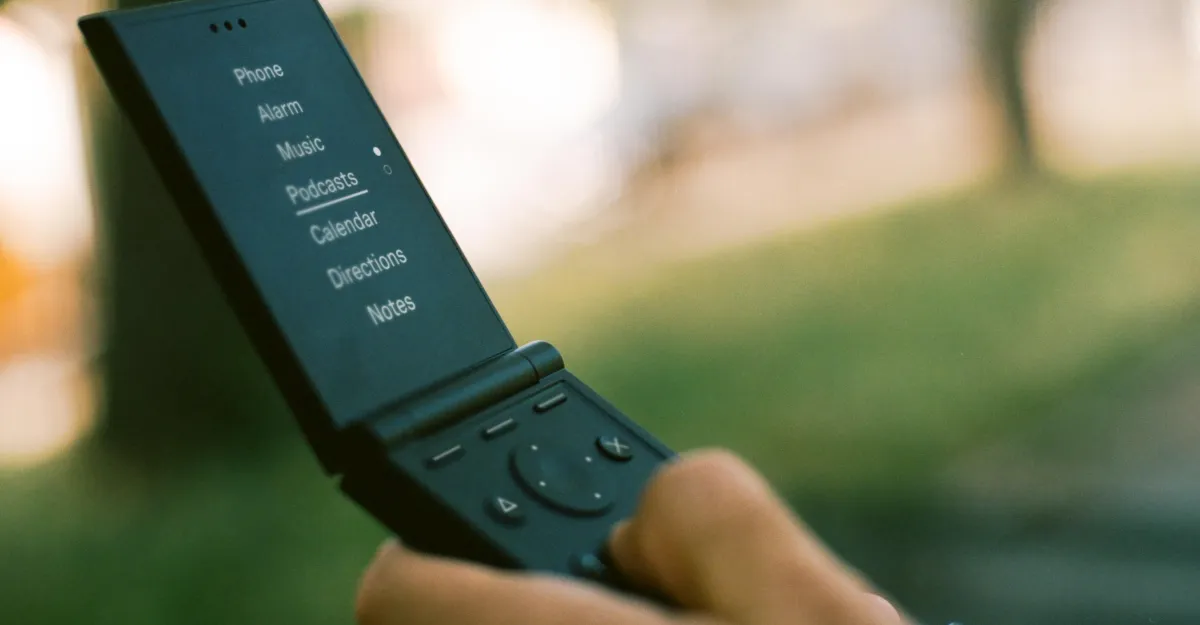
Light has commenced shipping the Light Flip, a minimalist clamshell mobile phone featuring a T9 keypad and a $299 price point. The device runs on LightOS and is engineered as a distraction-free alternative to modern smartphones, lacking both a touchscreen and near-field communication (NFC) capabilities, which precludes tap-to-pay functionality.
Powered by a MediaTek MT8873 processor with 6GB of RAM and 128GB of storage, the phone features a 2.8-inch non-touchscreen display on the upper half and a standard numberpad on the lower section. The design includes a single rear camera, a USB-C charging port, a headphone jack, and an external notification light on the front cover that illuminates when there is an incoming message or call.
The launch follows the release of the Light Phone III, a rectangular device priced at $699 that faced significant criticism regarding its high cost. Kaiwei Tang, Light’s co-founder, noted that feedback from users, particularly younger demographics, indicated a desire for a flip phone form factor that did not resemble a traditional smartphone. The Light Flip addresses this demand by offering a lower upfront cost of $299, or a subscription model of $39 per month for 24 months, after which the user owns the device.
Light positions the Flip primarily as a secondary device rather than a primary smartphone replacement. The company aims to provide users with an easy way to disconnect from their main devices while maintaining essential communication capabilities. The device is available in multiple colours, marking a departure from the all-black design of the Light Phone III.
In a shift towards greater user flexibility, Light has released a software development kit (SDK) for its “toolbox” application. This allows users to write or submit custom software, including potential AI agents, to the device. This move responds to previous instances where Light Phone III users hacked Android onto their devices to access standard applications. Despite this openness, Tang stated that he does not expect AI integration to be a primary driver for users, noting that many seek to remove AI from their digital lives entirely.